
Looking for the best day trips from Buenos Aires? After living in Palermo Chico for 8 years, I’ve tried dozens of escapes from the city. These are the only four I actually recommend — and keep going back to.
After the chaos of the city, a quick escape to the river, the delta, or across the water feels like hitting reset. These are the four places I actually go back to — ranked by how often I recommend them to friends who ask “Where should I go for a day or weekend?”
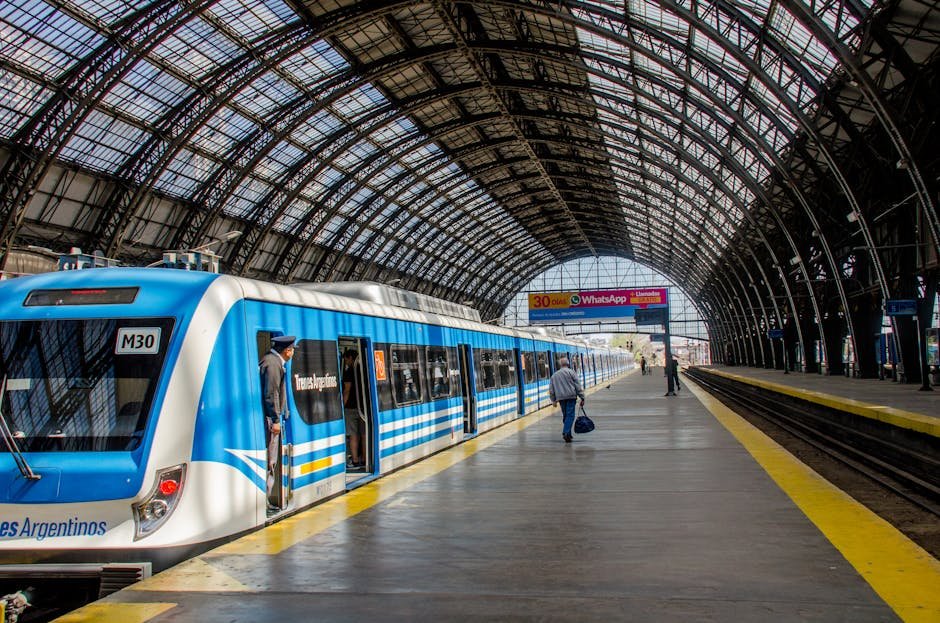
Quick Comparison (2026 Real Talk)
Here’s my honest ranking of the best day trips from Buenos Aires in 2026, based on how often I actually go and how often I recommend them.
| Destination | Time from Palermo | Cost (round trip) | Vibe | Best For | My Rating |
|---|---|---|---|---|---|
| Colonia del Sacramento | 2.5–3 hrs (total) | $40–110 USD | Colonial, relaxed | Romantic day trip, photography | ★★★★★ |
| Tigre & Paraná Delta | 50 min–1.5 hrs | $15–40 USD | Nature, boats, fresh air | Relaxed nature escape | ★★★★☆ |
| La Plata | 1.5 hrs | $10–25 USD | University city, museums | Culture + architecture | ★★★★☆ |
| San Antonio de Areco | 2 hrs | $25–45 USD | Gaucho town, traditional | Authentic Argentine weekend | ★★★★☆ |
1. Colonia del Sacramento (Uruguay) — My #1 Recommendation
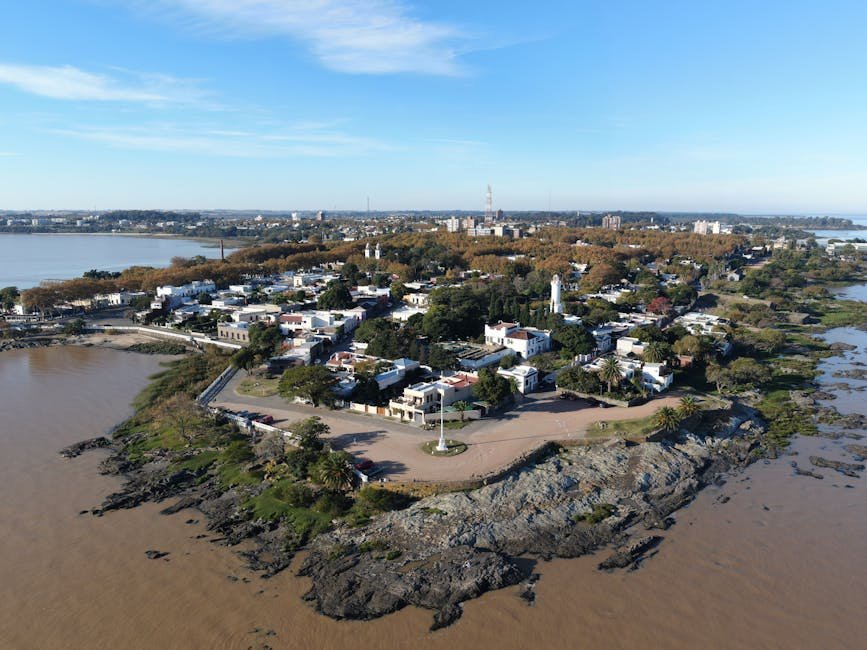
The absolute best day trip from Buenos Aires. Nothing else comes close. Colonia is consistently ranked among the best day trips from Buenos Aires — and I agree.
Take the Buquebus or Colonia Express ferry from the Dársena Norte terminal near Retiro (easy Uber from Palermo, about 15 minutes). Once you arrive, it feels like stepping 300 years back in time — cobblestone streets, colorful Portuguese colonial houses, and the Río de la Plata stretching to the horizon.
Important: Colonia is in Uruguay. You need your passport. No exceptions. The ferry company will check at boarding. If you’re not an Argentine citizen or permanent resident, confirm your visa situation allows re-entry into Argentina — most tourist and temporary visas do, but check before you go.
Two ferry options:
| Fast Ferry | Slow Ferry | |
|---|---|---|
| Time | ~1 hour | ~3 hours |
| Round trip | $80–110 USD | $40–60 USD |
| Best for | Day trips (maximize time in Colonia) | Budget travelers, scenic ride |
Book at buquebus.com or coloniaexpress.com. Weekday departures are cheaper and less crowded. Weekend morning ferries sell out — book at least a week ahead.
Why people actually go — beyond tourism:
Here’s something most guides won’t mention: many Buenos Aires expats go to Colonia to withdraw USD from Uruguayan ATMs. Argentine ATMs have strict withdrawal limits and dollar access is complicated. In Colonia, you can pull out dollars directly — though even there, the limit is usually around $500 per transaction. It’s a practical reason that turns a day trip into a two-for-one deal.
But the trip is worth it regardless. The fast ferry gets you there in about an hour, and the moment you step off the boat, you feel it — you’re in a different country. After months of Buenos Aires intensity, crossing the river feels like a mini international escape. The sea breeze alone is worth the ticket.
What I actually do there:
Rent a golf cart or vintage car and explore the Barrio Histórico (UNESCO World Heritage Site) at your own pace — the streets are too charming to rush through. Drink coffee at a plaza overlooking the river, preferably at one of the cafés along Calle de los Suspiros. Walk up the lighthouse (Faro de Colonia) for a panoramic view of the old town and the river. If you time it right, the sunset from the old city walls is one of the most beautiful things I’ve seen in this part of the world.
Lunch at a riverside restaurant — try the chivito (Uruguay’s signature steak sandwich, loaded with ham, cheese, egg, and everything else). It’s not Argentine, it’s not fancy, and it’s exactly what you want after a morning of walking.
2026 Tip: Take the fast ferry on a weekday morning, spend a full day, and return on the evening ferry. The fast ferry is so quick you barely sit down before you’re there. Total cost for a complete day: around $120–150 including ferry, lunch, golf cart rental, and a couple of coffees. Worth every dollar.
- Reservations for ferry buquebus and Colonia Express
- Reservation fo Bus : Plataforma
2. Tigre & the Paraná Delta
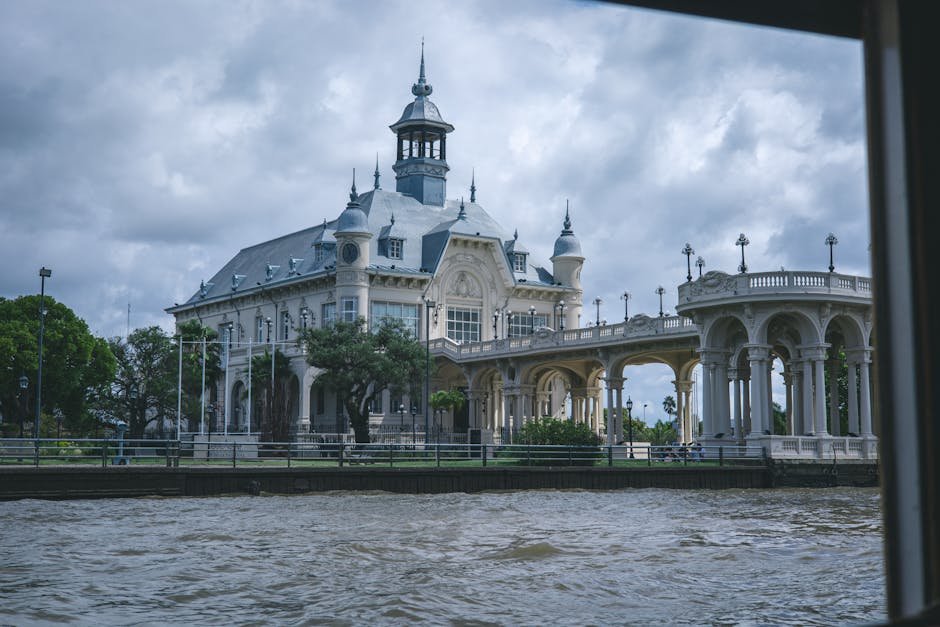
The closest and cheapest nature escape from the city. When you need green and quiet without planning a whole trip, Tigre is the answer. If you want one of the best day trips from Buenos Aires without planning anything complicated, Tigre is it.
How to get there:
Option A (cheapest): Take the Mitre line train from Retiro station to Tigre. About 50 minutes, costs almost nothing with your SUBE card. Trains run frequently.
Option B (scenic): Take the Tren de la Costa — a tourist train that runs along the river through the northern suburbs. More expensive than the Mitre, but the views are genuinely beautiful. Starts from Olivos station (connect via Mitre to Olivos, then transfer).
Option C (direct): Bus from Palermo or Uber — about 40 minutes to 1 hour depending on traffic.
Once you’re in Tigre, walk to the Estación Fluvial (river station) and pick a boat tour through the delta islands. Options range from 1-hour sightseeing boats to full-day excursions with lunch at a riverside parrilla.
Why I keep going back:
Tigre itself is a small riverside town with a surprisingly fun mix: there’s a casino, a big waterfront market (Puerto de Frutos — handcrafts, furniture, plants, regional food), and a row of riverside restaurants. It’s not glamorous, but it’s lively and easy. You can spend a few hours just wandering, eating, and watching boats come and go.
The Paraná Delta beyond Tigre is a different world entirely — brown water winding through green islands, wooden houses on stilts, families living on the river, small docks with hand-painted signs selling homemade food. It’s the exact opposite of Buenos Aires’s concrete intensity. One thing to know: getting deep into the delta is easier with a car or an organized boat tour. Without a car, you’re mostly limited to the boat excursions departing from Tigre’s river station — which are still excellent, but the deeper delta requires more planning.
Eat at a riverside parrilla — and try the grilled river fish (pacú or dorado) instead of the usual beef. You’re on the delta. Eat like it.
The trip home is the bonus. If you took the Mitre train to Tigre, take the Costanera route back — the Tren de la Costa runs through the northern suburbs along the river, and the views are genuinely beautiful. It’s one of the prettiest train rides in the Buenos Aires area, and it drops you through neighborhoods in the Zona Norte that most tourists never see. (More on Zona Norte’s hidden gems in a future post.)
Kayak rentals are available near the Estación Fluvial — a couple of hours paddling through the delta channels is the best way to experience the silence.
Best for: A half-day escape when you’re feeling city fatigue but don’t want to plan anything complicated. Pack light, take the train, and be back by dinner.
3. La Plata

The “planned city” — designed from scratch in the 1880s as the capital of Buenos Aires Province. Everything is grids, diagonals, and plazas at perfectly spaced intervals. If Buenos Aires is organic chaos, La Plata is geometric order. La Plata rarely appears on lists of the best day trips from Buenos Aires, but it should.
How to get there: Bus from Retiro or Constitución terminal, about 1.5 hours. Frequent departures throughout the day. Companies: Plaza, Costera Metropolitana, others.
Why it’s worth a day:
Catedral de La Plata — the centerpiece. One of the largest neo-Gothic cathedrals in the world, inspired by Cologne Cathedral. The scale is genuinely overwhelming — you don’t expect this in a mid-size Argentine city. Climb the tower for a view of the entire planned grid stretching to the horizon.
Museo de La Plata (Natural History Museum) — one of the most important natural history museums in South America. The paleontology section alone — with full dinosaur skeletons from Patagonia — is worth the trip. Located in the beautiful Paseo del Bosque park.
Pasaje Dardo Rocha — a former train station converted into a cultural center. Exhibitions, cinema, and events. Beautiful architecture.
The city has a strong university-town energy — the Universidad Nacional de La Plata is one of Argentina’s top three. This means the average age skews young, the streets are full of energy, cafés and bookstores are everywhere, and the food is noticeably cheaper than Buenos Aires. It’s a proper city, not a tourist attraction — and that’s exactly what makes it feel like a genuine slice of Argentina outside the capital.
I spent a few days in La Plata for work, and what struck me most was the people. Friendly in a way that felt different from Buenos Aires — warmer, more open, less guarded. Maybe it’s the university influence, maybe it’s the smaller-city mentality. Either way, it’s a place that surprises you with its charm.
When to go: Weekdays. La Plata is a working city, not a tourist destination — which is exactly why it feels more like “real Argentina” than Colonia or Tigre. Saturday mornings work too. Avoid Sundays when many things are closed.
2026 Tip: La Plata is the least expensive day trip on this list. Bus fare + museum entry + a solid lunch can come in under $25 total. Best cultural value outside Buenos Aires.
4. San Antonio de Areco — Weekend Recommended
This is where you go to understand what Argentina was before Buenos Aires became Buenos Aires. For a weekend rather than a single day, San Antonio de Areco is one of the best day trips from Buenos Aires — if you stretch it overnight
San Antonio de Areco is the spiritual capital of gaucho culture — a small town of about 25,000 people, two hours northwest of the city by bus from Retiro. Traditional estancias (ranches), silver artisan workshops (platerías), horseback riding, and the best asado you’ll have outside Buenos Aires.
How to get there: Bus from Retiro terminal. Companies like Chevallier and Pullman General Belgrano run regular departures. About 2 hours. Book at plataforma10.com.ar.
What makes it special:
The town itself is beautifully preserved — colonial architecture, a central plaza, the Río Areco running through it. The Museo Gauchesco Ricardo Güiraldes tells the history of gaucho life through art and artifacts. The platerías (silversmith workshops) along the main streets produce handcrafted gaucho knives, belt buckles, and mate sets — these are genuine artisan traditions, not tourist souvenirs.
Stay at an estancia. This is why I recommend a weekend rather than a day trip. Spending a night at a working ranch — riding horses in the morning, eating a proper asado at midday, drinking mate on the porch at sunset — gives you something no amount of city time can provide. Estancia stays typically include meals, horseback riding, and guided activities. Expect $150–300 USD per person per night for a quality experience.
Fiesta de la Tradición — If you’re in Argentina in November, plan your Areco trip around this festival. It’s the country’s biggest celebration of gaucho culture — horse parades, folk music, traditional dancing, rodeo-style competitions, and asado on a scale you won’t believe. The entire town transforms. It’s been running since 1939, and it’s the most authentic Argentine cultural event I’ve experienced outside Buenos Aires.
Best as a weekend trip. You can do it in a day, but you’ll feel rushed and miss the point. The beauty of Areco is its pace — slow, traditional, unhurried. One night in a boutique hotel or estancia is the minimum to actually absorb it.
Practical Tips for All Day Trips (2026)
These tips apply to all four of the best day trips from Buenos Aires — and they’ll save you money and headaches.
Book ferries and buses in advance on weekends. Colonia ferries and Areco buses fill up. Weekday travel is almost always cheaper and easier.
Take cash. Colonia (Uruguay) uses Uruguayan pesos — bring USD and exchange on arrival, or use ATMs there. Tigre, La Plata, and Areco accept cards more widely than they used to, but cash is still king at markets, small restaurants, and artisan shops.
Download offline maps. Google Maps works fine in all four destinations, but mobile signal gets spotty in the delta and on rural roads to Areco. Download the area before you leave.
Best months: March through May and September through November. The weather is mild, the crowds are manageable, and the light is beautiful. Avoid January and February — the heat makes everything harder, and half of Buenos Aires is also trying to escape.
Don’t try to combine them. Each destination deserves its own trip. Rushing through Colonia to catch a ferry back for a Tigre afternoon the next day defeats the purpose. These are escapes, not checkboxes.
What About Places Further Out?
Argentina has incredible destinations beyond the 2-hour radius — Tandil (a beautiful hill town with artisan food, about 4.5 hours south), Mendoza (wine country), Bariloche (Patagonian lakes), and more. But those deserve their own guide. This list is strictly what you can do with a day or a weekend, without turning it into a full trip.
Tandil in particular is worth keeping on your radar. It’s the kind of place that makes you briefly consider leaving Buenos Aires. But that’s a conversation for another time.
Final Thought
After 8 years, I’ve narrowed the best day trips from Buenos Aires down to these four for a reason.
After 8 years here, I’ve learned that these short escapes are what keep me from burning out on city life. Buenos Aires is intense — the noise, the pace, the people, the endless stimulation. It’s the city I chose to live in, and I wouldn’t trade it. But everyone needs to step away sometimes.
Whether it’s a lazy delta afternoon in Tigre, a romantic walk through Colonia’s cobblestones, an afternoon staring up at La Plata’s cathedral, or a weekend on horseback in gaucho country — getting out of Buenos Aires for even 24 hours makes coming back feel fresh again.
The city will be here when you return. It always is.
Frequently Asked Questions
What are the best day trips from Buenos Aires? The four destinations I recommend after 8 years of living here: Colonia del Sacramento, Tigre & the Paraná Delta, La Plata, and San Antonio de Areco.
Do I need a passport for Colonia del Sacramento? Yes. Colonia is in Uruguay. Bring your passport — the ferry company checks at boarding.
How much does the Buquebus ferry cost in 2026? Fast ferry (1 hour): $80–110 USD round trip. Slow ferry (3 hours): $40–60 USD round trip.
Is Tigre worth visiting from Buenos Aires? Absolutely. It’s the closest and cheapest escape — 50 minutes by train from Retiro, under $15 round trip.
Related Reading:
- Buenos Aires Cost of Living 2026: Real Monthly Budget From 8 Years in Palermo
- Palermo Neighborhood Guide 2026: Where to Actually Live in Buenos Aires
- Buenos Aires Safety 2026: Real Expat Experience in Palermo Chico
- Coming soon: Beyond Buenos Aires — Tandil, Zona Norte & Hidden Gems