
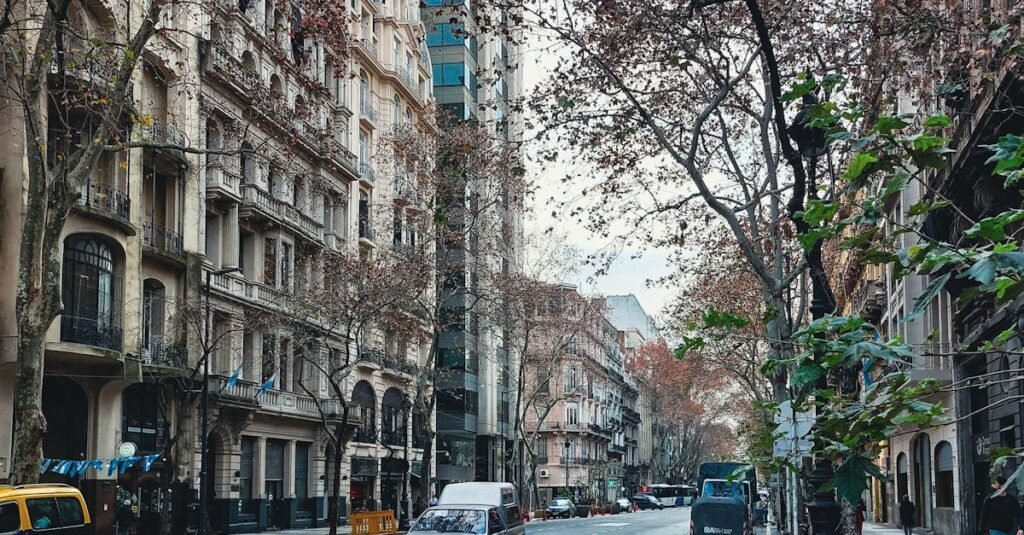
Every year around May, I get the same messages from friends planning to move to Buenos Aires: “Winter isn’t that bad there, right?”
After eight winters here, I can finally give the honest answer:
It’s not freezing like Europe, but it’s colder, damper, and more expensive than most people expect.
Old apartments with zero insulation, surprise electricity bills, and that bone-chilling humidity make June through August feel longer than they should. Here’s the no-BS winter guide from someone who’s lived through every single one.
1. What Winter in Buenos Aires Actually Feels Like (2026 Reality)
The numbers don’t sound scary. The experience is different.
- Daytime highs: 10–15°C (50–59°F)
- Nighttime lows: 3–8°C (37–46°F), occasionally dipping to 0°C
- The real killer: high humidity combined with wind. It consistently feels 4–5°C colder than the thermometer says.
Here’s what most guides don’t mention: Argentine apartments are not built for cold weather. There’s no cultural tradition of insulating buildings the way Northern European or North American construction does. Walls are thin. Windows leak. Floors are tile or concrete — beautiful in summer, brutal in winter. You’ll feel cold air seeping through every gap the moment temperatures drop below 12°C.
This applies to old buildings and new ones alike. Even newer apartment complexes in Palermo or Belgrano rarely have proper insulation or double-glazed windows. The assumption baked into Argentine construction is simple: winter is short, summer is the priority. As a result, you end up solving the heating problem yourself — every single year.
2. Heating — The Part Nobody Warns You About
Argentina has no central heating. Not in apartments, not in most houses, not anywhere in Buenos Aires. This is the single biggest shock for expats from colder countries.
What people actually use:
Older apartments often still have gas-powered radiators (calefactores a gas) or, in some cases, kerosene/oil boilers (estufas a kerosene). These work, but they come with real risks — carbon monoxide poisoning and fire. Gas heaters must be properly ventilated, and old units should be inspected annually. Apartment fires caused by faulty heaters are not rare in Buenos Aires winters. If your building has old gas infrastructure, take this seriously.
Newer apartments typically rely on portable electric radiators, fan heaters (caloventores), or air conditioning units with a heat mode (modo calor). Most expats end up using a combination — a radiator for steady background warmth and the AC in heat mode for quick bursts.
The electricity bill problem. Since Milei’s subsidy reforms, electricity prices have increased significantly. Running electric heaters carelessly through winter can easily add $80–150 USD to your monthly bill — or more if you’re heating multiple rooms. This catches people off guard, especially in their first winter.
My survival rules:
Buy an oil-filled radiator (radiador de aceite). They retain heat longer than fan heaters, distribute warmth more evenly, and are much safer — no exposed elements, no fire risk. Worth every peso.
Use your air conditioner in heat mode as a supplement, not as your primary heat source. AC heat mode works fast but burns through electricity. Use it to warm up a room quickly, then switch to the radiator to maintain temperature.
Heat only the room you’re in. Close doors between rooms. Use draft stoppers (burletes) along the bottom of doors and windows — you can buy adhesive foam strips at any hardware store (ferretería) for almost nothing. This one change alone can cut your heating bill significantly.
Get a humidifier. Electric heaters dry out the air, which paradoxically makes the cold feel worse and dries out your skin and throat. A small humidifier in your bedroom makes winter nights noticeably more comfortable.
MY EXPERIENCE
My radiator broke in the middle of winter. I told my landlord, and he said he’d fix it. Weeks passed. It didn’t get fixed. Eventually he decided it wasn’t worth replacing and just… left it. No new radiator, no repair, no solution.
So I bought my own fan heater (caloventor) — out of pocket, because I was tired of freezing. It cost almost nothing, maybe $20–30 USD. But here’s the warning: the cheapest fan heaters can be fire hazards. Look for one with overheat protection (protección contra sobrecalentamiento) and a tip-over switch. Don’t leave it running while you sleep. Don’t place it near curtains or bedding.
This is a common landlord story in Buenos Aires — things break, repairs take forever or never happen, and eventually you solve it yourself. (See Chapter 1 of our expat guide for more on navigating landlord relationships.)
3. What to Actually Wear in Buenos Aires Winter
Forget cute winter fashion. Buenos Aires winter dressing is about function — specifically, layers that you can add and remove throughout the day, because temperature swings of 10°C between morning and afternoon are normal.
The layering system that works:
Base layer: Thermal underwear. Uniqlo Heattech or similar thin thermal tops and leggings. This is the layer that makes everything else work — without it, no coat will keep you warm enough.
Mid layer: Fleece, merino wool sweater, or a light down vest. Something that traps heat without bulk.
Outer layer: A windproof jacket is more important than a heavy coat. Buenos Aires cold is wind-driven — if you block the wind, you block most of the discomfort. A thin, knee-length puffer jacket (like Uniqlo’s Ultra Light Down Long Coat) is ideal. Warm, packable, and functional.
Accessories after 6 PM: Scarf, beanie, and gloves become mandatory once the sun sets. The temperature drops fast.
Shoes: Waterproof or water-resistant. It rains frequently in winter, and Buenos Aires sidewalks flood easily. Wet feet in 8°C with wind is miserable.
A note on color and style: Buenos Aires has a specific winter aesthetic — muted, understated, dark tones. Black, navy, grey, olive, dark brown. You’ll notice that Porteños dress in a way that blends rather than stands out. Bright colors or flashy outdoor gear will mark you as a tourist immediately. This isn’t a fashion rule — it’s practical advice for blending in, which matters for safety too.
Pro tip: Layers are everything because Buenos Aires winter days are unpredictable. You’ll leave the house shivering at 8 AM, sit in warm sunshine at 2 PM, and be freezing again by 6 PM. The ability to add and remove layers throughout the day is more valuable than any single heavy coat.
4. Where to Go When Your Apartment Feels Like a Fridge
Some days, staying home isn’t an option — either the heating isn’t enough or the grey sky outside your window is making you lose your mind. These are the warm refuges that got me through eight winters:
Shopping malls. I’ll be honest — in winter, I spent a lot of time in malls. Alto Palermo, Paseo Alcorta, Galerías Pacífico. They’re warm, they have good coffee, they have food courts, and nobody cares how long you stay. It sounds unglamorous, but when it’s 7°C and drizzling outside, a warm mall with a coffee and your laptop is a perfectly valid way to spend an afternoon.
Coffee shops and cafés. Buenos Aires café culture is made for winter. Find a spot with good heating, order a cortado or a submarino (hot milk with a chocolate bar melted into it — the ultimate winter drink), and settle in. Most cafés won’t rush you. Some of my most productive work days happened in cafés during winter, simply because they were warmer than my apartment.
Gyms. A gym membership in winter pays for itself in heating costs alone. An hour of exercise warms you up for the rest of the afternoon, and many larger chains have saunas — which in July feel like the greatest invention in human history.
Museums and cultural centers. Centro Cultural Recoleta, MALBA, Museo Nacional de Bellas Artes — all warm, all beautiful, all cheap or free. Winter is the best time to explore Buenos Aires’s museum scene because you actually want to be indoors.
5. Winter Blues — The Mental Health Side
This is the part that sneaks up on you.
Buenos Aires winter days are short — the sun sets before 6 PM in June and July. The sky is often grey for days at a time. The combination of cold apartments, dark evenings, and less social activity (people go out less in winter) can genuinely affect your mood, especially if you’re far from home.
After year three, I developed a winter routine that made a real difference:
Force yourself outside when the sun appears. Even 20 minutes of winter sunshine — walking to get coffee, sitting in a plaza — resets something in your brain. The sunny winter days in Buenos Aires are genuinely beautiful. Don’t waste them indoors.
Book a weekend escape in July or August. A quick trip to Tigre for a delta day, or a ferry to Colonia, breaks the monotony. Even one overnight away from the city helps more than you’d expect. (See our Day Trips guide for options.)
Stock up on comfort rituals. Hot chocolate, facturas (Argentine pastries) from the bakery on Sunday morning, a good bottle of Malbec for Friday night. Winter in Buenos Aires is when you learn to appreciate the small, warm pleasures of Argentine daily life.
Stay physically active. This is the most effective antidote to winter blues. Whether it’s the gym, a yoga class, a running group in the park on sunny days — keeping your body moving keeps your mood stable. The temptation to hibernate is real. Resist it.
6. Practical Checklist — Before Winter Hits
Buy your heater in April or May. Prices double in June when demand spikes. An oil-filled radiator: $40–80 USD. A decent fan heater with safety features: $20–40 USD.
Check your electricity contract. Some plans offer cheaper night rates (tarifa nocturna) — if yours does, run your heaviest heating during those hours.
Weatherproof your apartment. Buy burletes (adhesive draft strips) for windows and doors. Put rugs on tile floors. Hang heavier curtains. These low-cost fixes make a surprising difference.
Build a winter box: Extra blankets, a hot water bottle (bolsa de agua caliente — Argentines love these), thermal clothing, and candles for power outages (they happen more in winter).
Know your gas situation. If your apartment has gas heating, confirm that the unit has been serviced. Know where the gas shutoff valve is. Have a carbon monoxide detector — they’re cheap and potentially life-saving.
Final Thought
Buenos Aires winter isn’t dramatic. There’s no snow, no polar vortex, no minus-20 mornings. But it’s sneaky — the humidity gets into your bones, the apartments don’t help, and the grey days accumulate.
Once you accept it and prepare properly, though, something shifts. Winter becomes the season of long café afternoons, red wine with friends, warm medialunas on Sunday mornings, and the quiet satisfaction of having figured out one more piece of this city.
And then one morning in September, the jacarandas start blooming, the sun stays out past 6 PM, and the whole city comes back to life. That first warm day after a Buenos Aires winter is one of the best feelings in the world.
It’s worth the wait.
FAQ Section (Add to Bottom of Post)
Is Buenos Aires cold in winter? Yes, but not in the way you’d expect. Temperatures rarely drop below 3°C, but high humidity and wind make it feel 4–5°C colder. The real problem is indoor cold — apartments have no central heating and poor insulation.
What should I wear in Buenos Aires in winter? Layers are essential. Thermal base layers, a fleece or wool mid layer, and a windproof outer jacket. Knee-length puffer jackets work well. Stick to muted colors (black, navy, grey) to blend in with locals. Waterproof shoes are a must — it rains frequently.
Do apartments in Buenos Aires have heating? No central heating exists in Buenos Aires. Older apartments may have gas heaters; newer ones rely on portable electric radiators and air conditioners in heat mode. Budget $80–150 extra per month for electricity during winter.
What is the coldest month in Buenos Aires? July is typically the coldest month, with average lows around 4–7°C and highs around 10–14°C. June and August are similar but slightly milder.
Is Buenos Aires worth visiting in winter? Absolutely. Prices are lower, crowds are smaller, and the cultural scene (theater, museums, cafés) is at its best. You just need to prepare for the cold properly.
Related Reading:
- Best Day Trips from Buenos Aires: An 8-Year Expat’s Honest Guide
- Buenos Aires Cost of Living 2026: Real Monthly Budget From 8 Years in Buenos Aires
- Buenos Aires Safety 2026: Real Expat Experience
- Palermo Neighborhood Guide 2026: Where to Actually Live in Buenos Aires