
Looking for the best cities in South America for expats in 2026? Most lists are written by people who spent a long weekend somewhere and call themselves experts. This isn’t one of those lists.
I’ve spent years living in South America. Not bouncing between Airbnbs for a week at a time — actually living here. Paying rent, dealing with landlords, navigating bureaucracy, figuring out which bakery has the best medialunas and which streets to avoid after midnight.
I’ve called Buenos Aires home for eight years. I’ve watched Asunción transform from a quiet capital into a booming city. I’ve walked Montevideo’s seaside promenade from the new city all the way to the old, eaten açaí until my teeth turned black in Rio, and talked to enough people about Santiago to form an honest opinion — even though I haven’t been there yet.
This is my list. It’s personal, opinionated, and based on six criteria that matter when you’re actually living somewhere: cost of living, safety, weather, friendliness of locals, infrastructure, and food/culture.
Let’s start from number five and work our way up.
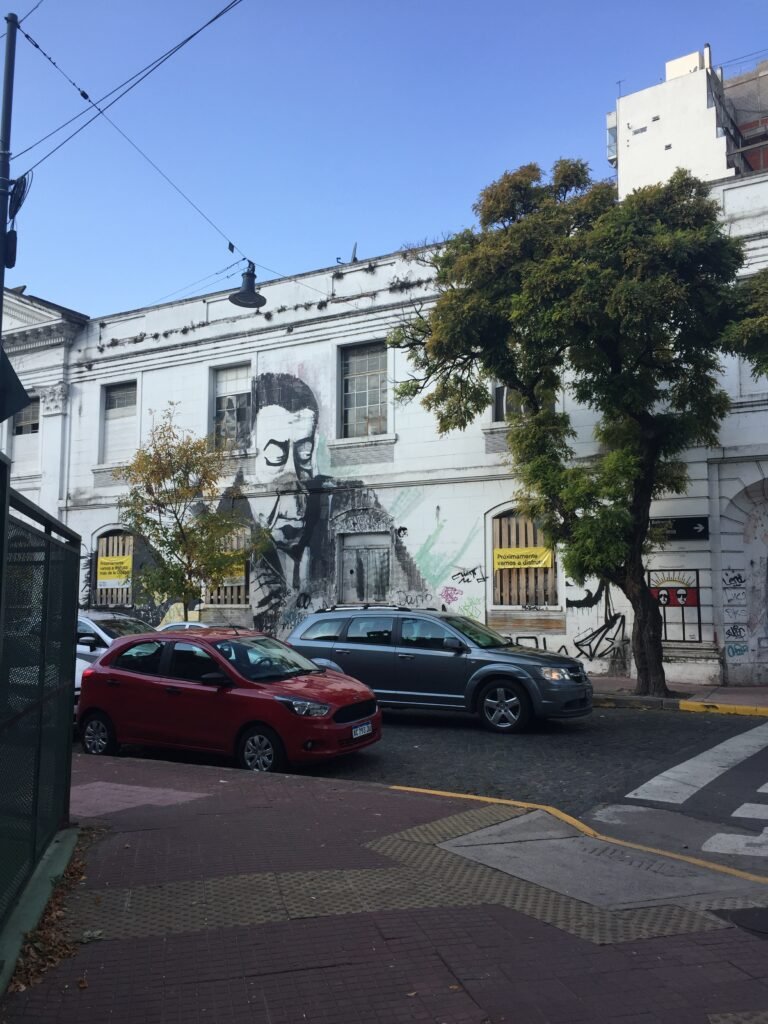
How These Cities Compare — At a Glance
| Buenos Aires | Asunción | Montevideo | Rio de Janeiro | Santiago | |
|---|---|---|---|---|---|
| Monthly cost (single) | ~$1,100–1,200 | ~$700–800 | ~$1,400–1,500 | ~$900–1,000 | ~$1,100 |
| Rent (1BR, nice area) | $500–1,000 | $400–600 | $700–1,000 | $500–800 | $600–900 |
| Safety (1–5) | ★★★☆☆ | ★★★☆☆ | ★★★★☆ | ★★☆☆☆ | ★★★☆☆ |
| Internet quality | Good | Improving | Good | Good | Good |
| Public transport | Excellent | Limited | Good | Moderate | Good |
| English spoken | Some | Very little | Some | Very little | Some |
| Best for | Culture lovers | Entrepreneurs | Stability seekers | Adventurers | Career-focused |
#5 — Santiago, Chile: The One I Haven’t Visited (Yet)
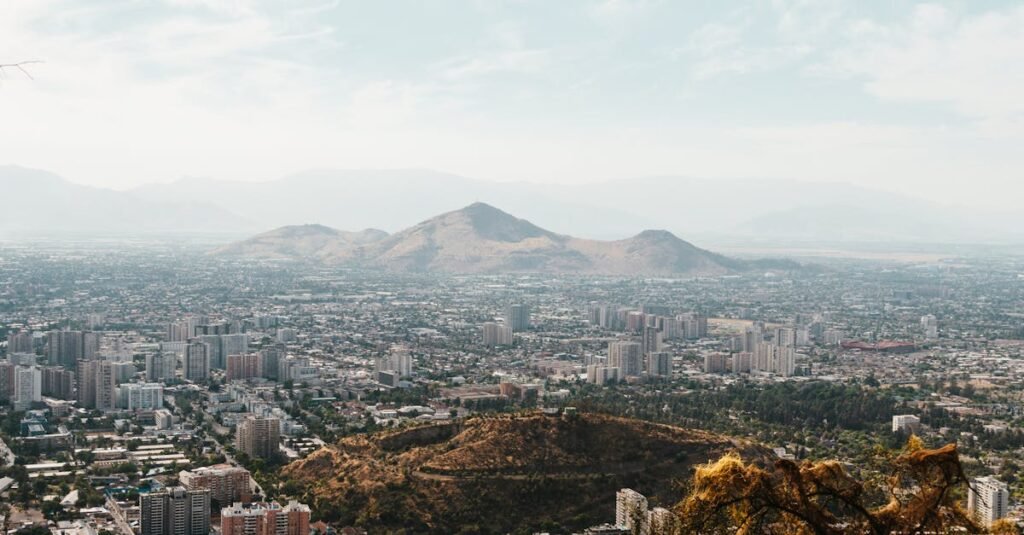
I’ll be honest upfront: I haven’t been to Santiago. But I still think it belongs on this list — and I have my reasons for not going.
Earthquakes. Chile sits on the Pacific Ring of Fire, and the idea of the ground shaking underneath me has been my mental block. I know it’s irrational — Santiago has modern building codes and Chileans live with it just fine — but there it is.
What I do know about Santiago comes from people who’ve actually lived there, and the picture they paint is consistent. The seafood is excellent. The city functions well. Infrastructure is solid. It’s the closest thing to a “European-feeling” city that South America has to offer.
But there’s a cultural nuance that keeps coming up. Chile has a significant German immigrant heritage, especially in the south, and people tell me it shapes the national character. Compared to the warmth and looseness of Argentina or Paraguay, Chilean culture feels stricter and more rigid — the most strict country in South America, according to nearly everyone I’ve talked to. If you’re used to the easy-going rhythm of Buenos Aires or Asunción, the cultural adjustment might catch you off guard.
The Spanish is different too — fast, full of slang, and harder to understand than what you’d hear elsewhere on the continent. And the cost of living is high relative to local salaries. People who live there genuinely wonder how locals make it work.
With conservative president José Antonio Kast now in office and $14.8 billion in copper projects underway, the economy is getting a boost. For career-focused expats in mining, tech, or finance, Santiago is increasingly on the radar.
Pros: Strong infrastructure, growing economy, excellent seafood, mountains and coast nearby.
Cons: Earthquake risk, high cost of living vs. local wages, culturally stricter than most of South America, Chilean Spanish is tough.
#4 — Rio de Janeiro, Brazil: The City That Stays With You
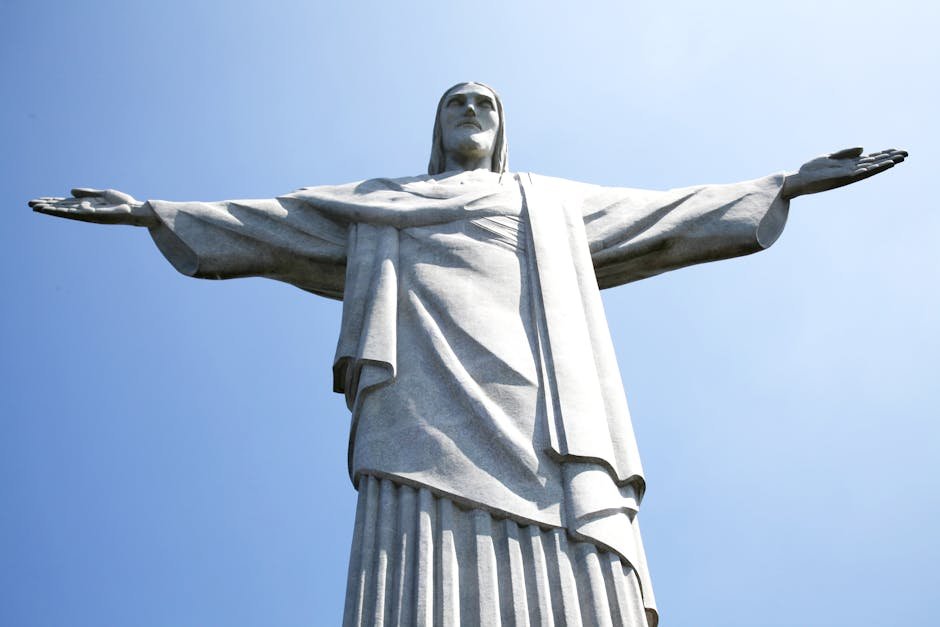
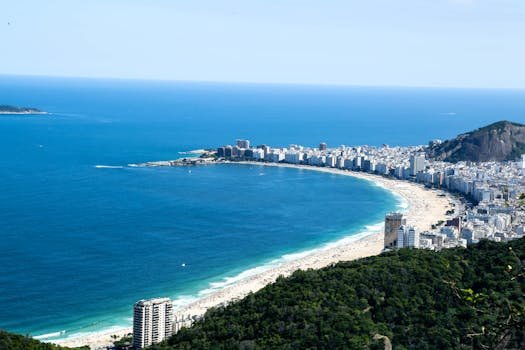
I didn’t plan to visit Rio. It happened on a whim, and I didn’t have enough time to do it justice. But even in a short stay, this city brands itself on your memory.
My first impression of Brazil wasn’t actually Rio itself — it was a Brazilian guy at the airport. I was standing there, clearly lost and disoriented after a long flight, and this young man just walked up and helped me find my way. No agenda, no hustle — just genuine kindness. That moment set the tone for everything that followed.
I made it to the Corcovado and stood at the feet of Christ the Redeemer, looking down at the entire city sprawled below. From up there, Rio looks like it was designed by someone who loved both mountains and ocean equally and refused to choose between them.
It’s one of those views that makes you stop talking.
Then, Ipanema. Because how can you not? I sat on the sand, the Girl from Ipanema already playing in my head, and did what any reasonable person would do — I got an ice cream. The neighborhood around the beach is clearly wealthy. Beautiful apartments, well-dressed people, a kind of effortless elegance.
And then there was the açaí bowl. At the airport, I grabbed one — coconut flakes, banana, the works. Delicious. What nobody told me was that açaí turns your teeth completely black. I walked around for who knows how long with a mouth that looked like I’d been chewing charcoal, and only realized it much later. If you’re visiting Rio, consider this your public service announcement: check a mirror after your açaí.
Getting around without a car is genuinely difficult. The city is huge, and at night, taxis or ride-hailing apps aren’t optional — they’re essential. Safety is a real concern. Rio requires a level of awareness that goes beyond what other cities on this list demand.
But the food, the scenery, the energy — there’s a reason people fall in love with this place. I’d go back in a heartbeat if time allowed.
Pros: Jaw-dropping natural beauty, incredible food, vibrant culture, warmth of Brazilian people.
Cons: Safety is a serious concern, hard to navigate without a car, language barrier without Portuguese, inequality is visible everywhere.
#3 — Montevideo, Uruguay: Stable, Safe, and Quietly Expensive
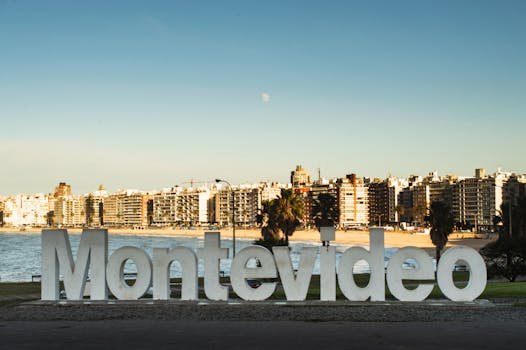
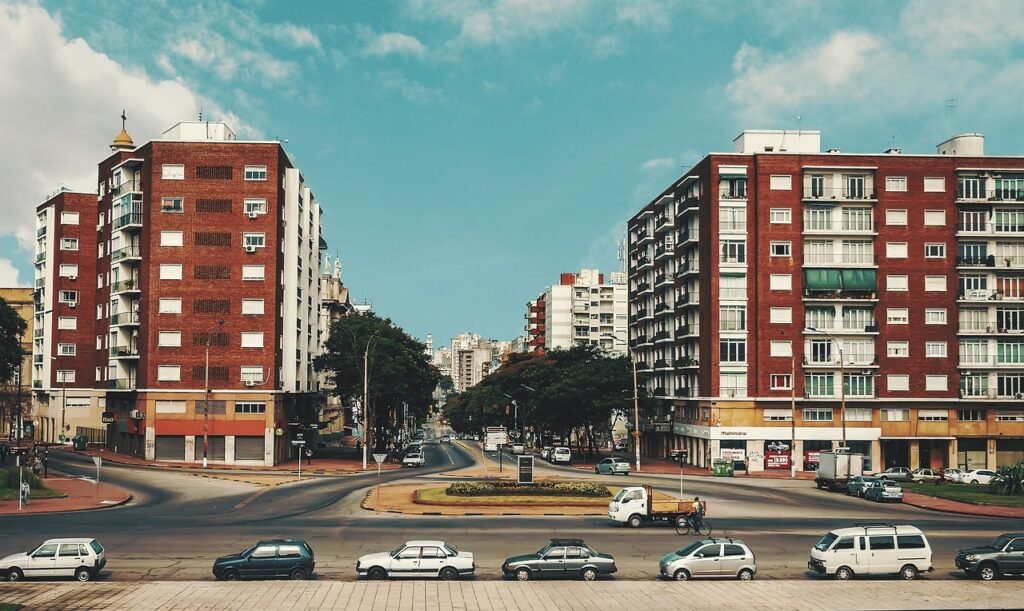
Montevideo surprised me. Coming from Buenos Aires, just across the Río de la Plata, I expected something similar. What I found was a city that felt distinctly wealthier, calmer, and more organized.
I walked the entire coastal path — which I later learned locals call the Rambla — from the modern part of the city all the way to Ciudad Vieja, the old town. It’s one of the most beautiful urban walks I’ve done in South America. The ocean is right there, wide open, and all along the path people were running, cycling, playing sports. You could feel the local quality of life just by watching how people spent their free time. This wasn’t a tourist promenade — it was real life, on display.
And that’s Montevideo in a nutshell: a city that actually works. The institutions function. The streets are clean. There’s a sense of order that you don’t always find in this part of the world.
But that stability comes at a price. Literally. Montevideo is roughly 48% more expensive than Buenos Aires according to 2026 data. Uruguay taxes heavily, and those taxes fund the services that make the country so livable. For retirees or people earning in dollars or euros, this is manageable. For young locals earning in Uruguayan pesos? It’s suffocating.
And that’s when it clicked — why so many young Uruguayans leave. They go to Buenos Aires, to Europe, to anywhere where their ambition isn’t outpaced by the cost of simply existing. Montevideo is a wonderful place to live if you can afford it. But for a young person trying to build something? The math doesn’t work.
Pros: Very safe, stable institutions, clean and organized, beautiful Rambla, high quality of life.
Cons: 48% more expensive than Buenos Aires, heavy taxes, young people leaving, limited nightlife and cultural buzz.
#2 — Asunción, Paraguay: My First Love
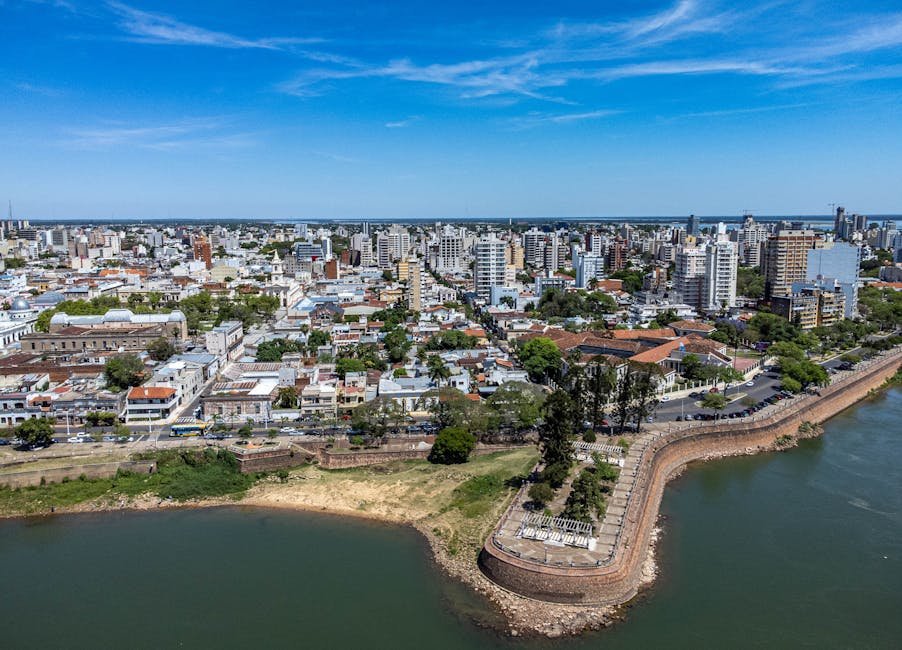
Asunción was my first city in South America. I arrived in my twenties, with a mix of fear and excitement that only a first-time expat knows. I didn’t know what to expect. I barely knew what continent I was on, emotionally speaking.
And then the people happened.
Paraguayans are warm in a way that goes beyond politeness. It’s not performative. It’s not customer-service friendly. It’s genuine, and it changes you. The kindness I received from complete strangers in those early days made me want to give it back tenfold. I threw myself into local life — learning the rhythms, the food, the way people talk (a mix of Spanish and Guaraní that’s unlike anything else in South America). I wanted to earn the warmth they gave me so freely.
Every time I go back, I barely recognize the place. Buildings that weren’t there six months ago are suddenly gleaming. Shopping malls with international brands you wouldn’t expect in a city this size. Hotels that could be in Miami.
What struck me most was the pace of modernization — faster, in some ways, than Buenos Aires. And it makes sense: Asunción’s infrastructure isn’t burdened by decades of decay. Everything is new. The roads, the buildings, the commercial centers. There’s an energy that feels like a city discovering its own potential.
Asunción runs on free trade and libertarian economic principles. Foreign capital is welcome. Regulations are light. International brands and hotel chains are arriving at a pace that would have been unthinkable a decade ago.
And yet — I couldn’t help wondering: where is all this money coming from? Paraguay’s formal economy doesn’t fully explain the level of construction and consumption. The economy is growing, yes, but can it sustain this pace? It’s an honest question, and one that any clear-eyed observer has to sit with.
None of that changes how I feel. Asunción was where I first fell in love with South America. First loves leave a mark. And this one left a deep one.
Pros: Explosive growth, 28% cheaper than Buenos Aires, incredibly warm people, business-friendly, exciting trajectory.
Cons: Limited public transport, sustainability questions, extreme summer heat, institutional weakness.
#1 — Buenos Aires, Argentina: Eight Years, One Café, and a City I Can’t Quit
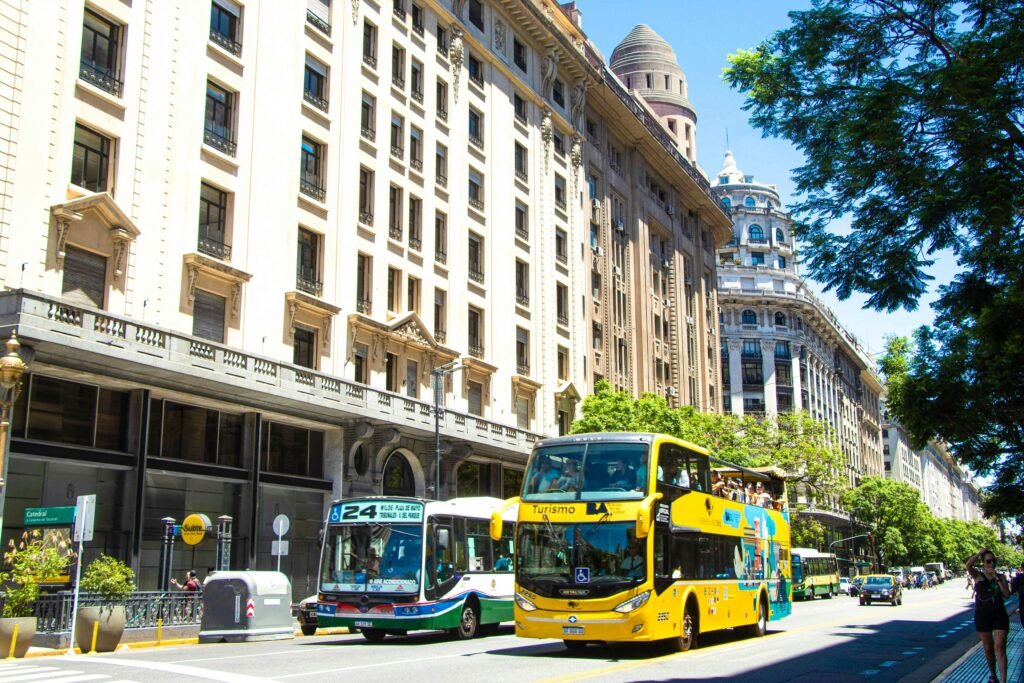
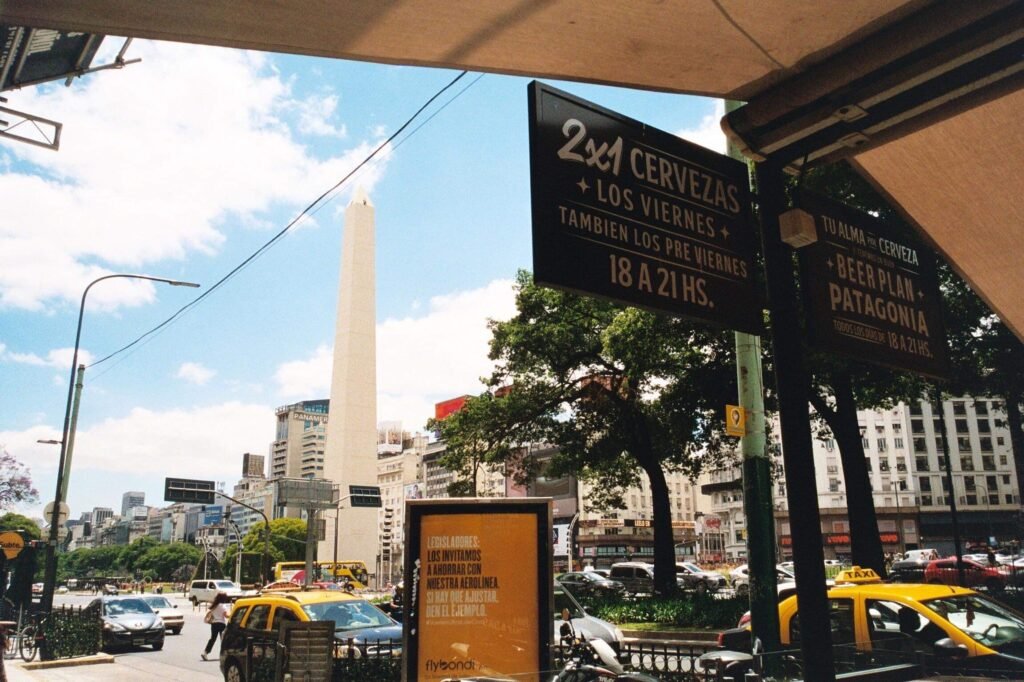
I’ve lived in Buenos Aires for eight years. I know this city the way you know a person you’ve loved for a long time — with clear eyes, full awareness of the flaws, and a deep, stubborn affection that refuses to fade.
I lived in Palermo Chico — and if you’re an expat looking for the best neighborhood in Buenos Aires, this is where I’d point you. It’s the most exclusive pocket of the massive Palermo district, nestled between embassies and tree-lined streets. Quieter than the tourist-clogged Palermo Soho, but close to everything. Clean, safe, and calm in a way that feels rare for such a big city. Rent for a good one-bedroom runs $500–1,000 a month. By New York or London standards, that’s almost absurd for the quality of life you get.
But the place that best captures my Buenos Aires is a restaurant called Tabac Café. A traditional Argentine bistro that was woven into my daily rhythm. In the mornings, it was already open when I walked to work, so I’d stop in for breakfast. In the evenings, it stayed open late enough for a proper dinner after a long day. The waiters there — older gentlemen, all of them — were true professionals.
They memorized every order at the table without writing anything down. It wasn’t just efficiency — it was pride. Getting your order right from memory was a point of honor for them. I always tipped at least 10%, because these men earned every cent of it. That kind of old-school professionalism is Buenos Aires at its purest.
The city has the best infrastructure in South America. The subway, the buses, the hospitals — they all work. Private healthcare is excellent and surprisingly affordable. The food scene is world-class, from Palermo’s trendy restaurants to corner parrillas where a steak costs less than a sandwich in most Western cities.
And the culture. Tango, bookstores, live music, late-night conversations that stretch until 3 AM on a Tuesday. Porteños have a way of making you feel like time is something to be savored, not optimized.
But eight years means I’ve lived through the frustrations too. The economy has been in decline for so long that infrastructure, while impressive by regional standards, is aging. Things break and take forever to fix. Bureaucracy is a competitive sport here. Even with Milei’s reforms bringing inflation down from 211% to around 30%, you never stop checking exchange rates.
Living here requires a tolerance for complexity. You learn to navigate the unofficial dollar market. You learn which ATMs work. You develop a sixth sense for which streets are fine at 2 AM and which ones aren’t.
And yet. I want to go back.
Because Buenos Aires is the most alive city I’ve ever lived in. Every neighborhood tells a different story. Every conversation goes deeper than you expected. And every sunset over the Río de la Plata reminds you exactly why you stayed.
Pros: Best infrastructure in South America, world-class food and culture, excellent healthcare, extraordinary value in foreign currency, Palermo Chico is one of the safest neighborhoods on the continent.
Cons: Aging infrastructure, chronic economic instability, bureaucracy, emotionally exhausting over time.
The Verdict
| City | Biggest Pro | Biggest Con | Best For |
|---|---|---|---|
| #1 Buenos Aires | Culture + infrastructure | Economic instability | Long-term expats who want depth |
| #2 Asunción | Explosive growth, affordable | Sustainability questions | Entrepreneurs, first-timers |
| #3 Montevideo | Stability and safety | Expensive, youth drain | Retirees, stability seekers |
| #4 Rio de Janeiro | Beauty, food, energy | Safety, navigation | Adventurers, medium-term |
| #5 Santiago | Economy, modernity | Earthquake, high costs | Career-focused professionals |
Final Thoughts
There’s no perfect city in South America. Every one of these places will test you — with its bureaucracy, its prices, its heat, or its complexity.
But that’s what makes living here extraordinary. These aren’t sanitized, predictable places. They’re real cities with real personalities, and they change you as much as you change your address.
If I had to choose one? I’d go back to Buenos Aires tomorrow. Palermo Chico, Tabac Café, and a steak that costs less than what my morning coffee used to cost back home. But I’d keep a flight to Asunción booked for the following month. First loves deserve regular visits.
Have you lived in any of these cities? I’d love to hear your take — drop a comment below.
Disclaimer: This article reflects personal experience and publicly available data. It is not financial or relocation advice. Always do your own research before making major life decisions.
Related Reading:
- Buenos Aires Cost of Living 2026: Real Monthly Budget From 8 Years in Palermo
- Palermo Neighborhood Guide 2026: Where to Actually Live in Buenos Aires
- South America Residency 2026: 5 Countries Compared
- Open Bank Account in South America as a Foreigner 2026: 5 Countries Compared
- Money in Argentina 2026: Exchange Rates, Cards & Cash