
Making friends in Buenos Aires is one of the questions I get most often from expats arriving here — and the honest answer is more complicated than most guides let on. I’ve been in Palermo Chico for eight years, moved apartments twice, and met people through every channel you can imagine: Korean expat meetups, language exchanges, coworking spaces, Spanish classes, neighborhood cafes. What actually worked for me was different from what most relocation guides suggest.
This isn’t a comprehensive guide to every possible way of making friends in Buenos Aires. It’s a realistic account of what worked for me, what didn’t, and what I’d tell someone arriving now.

The Reality of Making Friends in Buenos Aires as an Expat
The first three to six months are lonely for almost every expat — and if you’re arriving from Korea or the United States without strong Spanish, it’s harder than average. Buenos Aires is a warm city, but its social life runs on preexisting networks. Porteños (Buenos Aires locals) have deep friendships that go back to school and extended family, and they’re not always actively looking to add new people to those circles. Getting in takes patience and repetition.
What I’ve found after eight years is that the connections that last longest aren’t usually the ones formed at expat networking events or language exchange apps. They come from proximity and repetition — the people you keep running into, the relationships that develop because you live or work near each other.
Where I Actually Made Friends: What Worked After 8 Years
1. The Apartment Building
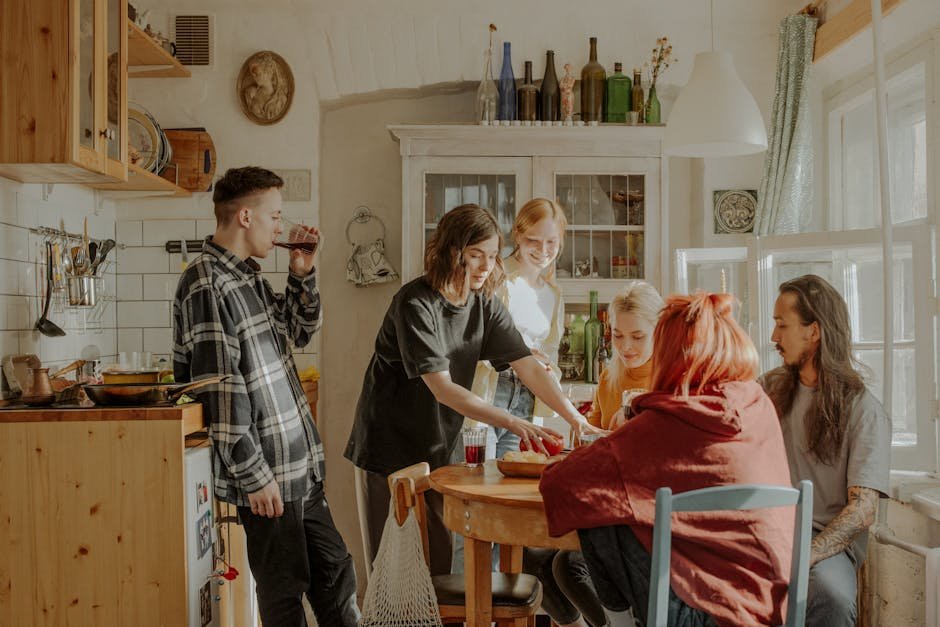
This sounds mundane, and it is — but it’s genuinely the most reliable source of lasting friendships I’ve found in Buenos Aires. In eight years and two apartment moves, the people I still stay in touch with most consistently are people from the same building or the building next door.
Buenos Aires apartment buildings have a social logic that works in your favor. You see the same people in the elevator, in the lobby, by the mailboxes. The portero (building manager) often introduces residents informally. A casual “we’re doing an asado this weekend, want to join?” is a completely natural thing to say after a few weeks of corridor hellos. The relationships that started this way — with that kind of low-stakes proximity — are the ones that turned into something real.
My practical advice: don’t be invisible in your building. Say hello. Make small talk. The investment is minimal and the return, over time, is surprisingly high.
2. One Good Spanish Teacher
During the pandemic, I took Spanish lessons online. My teacher and I got along well — beyond the lessons, we just clicked as people. After the formal classes ended, we stayed in occasional contact: a message here, a catch-up there. It’s a small connection, but it’s lasted.
The pattern I’ve seen more broadly: one deep connection matters more than twenty surface-level introductions. A Spanish teacher who genuinely likes you, a local colleague you actually enjoy spending time with, one Argentine friend who invites you into their social circle — any of these opens more doors than any expat meetup.
3. Football and Mate
Two things open doors in Argentina faster than almost anything else: football and mate. If you watch fútbol — even casually — you have an instant conversation with virtually any Argentine man you meet. Having a team opinion (even a wrong one) is enough to spark a 20-minute discussion that ends with someone offering you a beer. During World Cup season or a Superclásico weekend, the entire city becomes one communal living room.
Mate is different — it’s slower and more intimate. When an Argentine offers you mate from their gourd, it’s a gesture of inclusion. Accepting it, drinking it properly (don’t stir, don’t thank them until you’re done), and passing it back is a small social ritual that signals you’re making an effort to participate in local life rather than observe it from the outside. I’ve had conversations over shared mate that turned into genuine friendships — the slow, unhurried pace of drinking it together creates space for real talk in a way that a bar doesn’t.

4. Neighborhood Regulars
Going to the same places consistently is underrated as a social strategy. In Palermo, I have a regular cafe, a regular verdulería (produce market), a regular carnicería (butcher). After enough visits, faces become familiar, names get exchanged, and occasionally you get introduced to someone’s friend or neighbor.
This kind of connection is slow and ambient rather than deliberate — but it’s how a neighborhood starts to feel like home, and sometimes it leads somewhere more substantial.
On Expat Meetups, Language Exchanges, and Coworking Spaces
A disclaimer: I’ve tried Korean expat meetups, a couple of language exchanges, and coworking spaces. None of them became a significant source of friendship for me personally — but I want to be honest that this is my experience, not a verdict on those options. Plenty of people do make genuine connections through language exchange apps and expat communities, and coworking spaces work well for some.
What I can say is this: Buenos Aires doesn’t have a large Korean expat community to begin with, and I found myself increasingly drawn toward local Argentines rather than other foreigners. That’s a personal preference more than a strategy — but it shaped which avenues I pursued. For someone who wants to connect with other international expats, the calculus might be different.
| Method | My Experience | Best For |
|---|---|---|
| Apartment building | Most lasting friendships | Anyone staying 6+ months in one place |
| Spanish teachers / tutors | One deep connection that lasted | People serious about learning Spanish |
| Neighborhood regulars (cafe, market) | Slow but genuine | Building a sense of home over time |
| Language exchange apps | Limited for me personally | People who want to meet other expats |
| Coworking spaces | Not my main path | Remote workers wanting professional connections |
| Expat meetup groups | Useful early on, didn’t deepen | New arrivals getting initial orientation |
Locals vs. Other Expats: A Honest Take
Over eight years, I’ve made friends with a small number of expats and a much larger number of locals. Part of that is circumstance — the Korean expat community in Buenos Aires is genuinely small. But part of it is preference: I found myself more drawn to understanding Argentine life from the inside than to living within an expat bubble.
Friendships with locals take longer to develop and require more Spanish, but they connect you to Buenos Aires in a way that expat friendships don’t. You learn how the city actually works — not the expat version of it. You end up at asados in neighborhoods you wouldn’t have found otherwise, with people who explain things about Argentina that no guidebook covers.
That said, there’s real value in early expat connections too — especially in the first months when you’re disoriented and need people who understand what you’re going through. The two aren’t mutually exclusive. But if I had to pick which investment to prioritize for the long term, it would be learning enough Spanish to connect with Argentines directly.
What to Expect: A Realistic Timeline
| Timeframe | Social Reality |
|---|---|
| Month 1–3 | Likely lonely. Normal. Focus on Spanish and learning your neighborhood. |
| Month 3–6 | Faces start to become familiar. First real conversations happening. Building-level connections forming. |
| Month 6–12 | A few genuine connections beginning to develop. Starting to feel like a regular in certain places. |
| Year 2+ | Social life feels more settled. Relationships have history. You’re being introduced to new people through existing friends. |
The loneliness phase is real and it doesn’t last forever. The people who struggle most are the ones who expected Buenos Aires to be socially easy from day one — it isn’t, for most people. But it does get better, and the connections that form after the initial difficult period tend to be genuinely meaningful.
Practical Notes for Making Friends in Buenos Aires
- Learn enough Spanish to have a real conversation. You don’t need to be fluent, but you need to get past surface pleasantries. Most Argentines appreciate the effort enormously.
- Choose your apartment thoughtfully. A building with shared outdoor space, a good portero, or an active community makes a real difference.
- Show up consistently. Same cafe, same market, same gym. Familiarity is the foundation of most Argentine social connection.
- Accept every invitation for the first year. Asados, birthday parties, Sunday lunches — say yes. The Argentine social world opens through these events.
- Be patient with the timeline. Argentine friendships tend to develop slowly. Pushing for closeness too quickly can feel strange to locals. Let it develop at the pace it develops.
The Bottom Line
Making friends in Buenos Aires is slower than most expats expect and more rewarding than they fear. The connections that last tend to come from proximity and repetition — the apartment building, the neighborhood routine, the one person you clicked with in a Spanish class. The expat meetup circuit can get you through the early months, but it rarely delivers the depth that comes from genuinely embedding in a neighborhood and letting relationships develop on their own timeline.
Eight years in Palermo Chico has taught me that Buenos Aires is one of the more socially rich cities I’ve ever lived in — once you’re inside its social life rather than adjacent to it. Getting there takes time. It’s worth it.
Related Reading: