
It was Thursday, September 4th. I had Tesla’s robotaxi launch open on one screen and Buenos Aires on the other. That second screen is a habit I never dropped. I lived in the city from 2017 to 2025, and I still open its news every morning.
So when the cadena nacional began, I was watching the Salón Blanco live. When I lived in Palermo, watching one of those broadcasts always came with the sound of a neighbour’s television through the window. This time there was no sound at all.
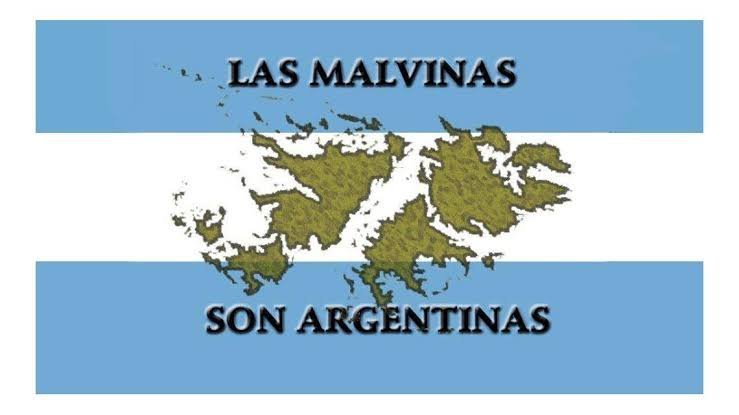
What happened
President Milei used a national broadcast to restate Argentina’s claim to the Malvinas. He said the wind had shifted in Washington, and that he would move to block oil drilling near the islands. The field in question sits about 220 kilometres north of them, with production expected to start in 2028.
The model he offered was Hong Kong. Britain handed Hong Kong back to China through negotiation, so why not the same route here, however long it takes. He was explicit that war was off the table.
London answered within hours. Defence Secretary Wes Streeting said the islands are British and that Britain’s commitment is absolute, and added that the speech told you more about Argentine domestic politics than about the islands. Ed Miliband said the islanders’ right to self-determination is paramount and grounded in international law. Milei rejects that premise. His position is that a population settled on usurped territory cannot claim it.
In the 2013 referendum, 1,513 of 1,517 votes went to remaining a British overseas territory, on a turnout of 92 per cent.
That is the news. What I want to write about is what sits underneath it.
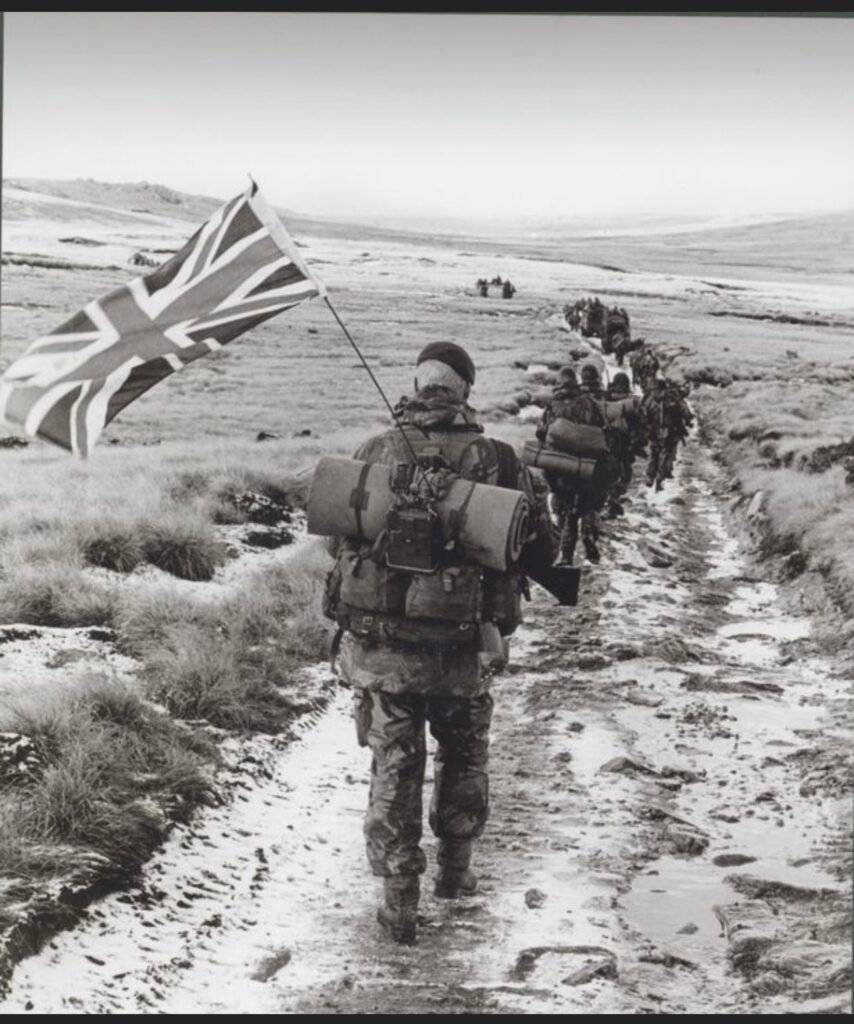
I once tried to go
I told colleagues more than once that I wanted to visit the islands.
I remember what came back. I had only expressed interest, and the face across from me would close. It wasn’t anger. It was the expression people make when you have touched something you shouldn’t have. After it happened a few times, I stopped raising it.
I still looked into it. Someone mentioned a flight from Santiago de Chile, but even confirming that the route existed turned out to be difficult. It was the middle of the pandemic. The service was suspended and the only information left online was years out of date.
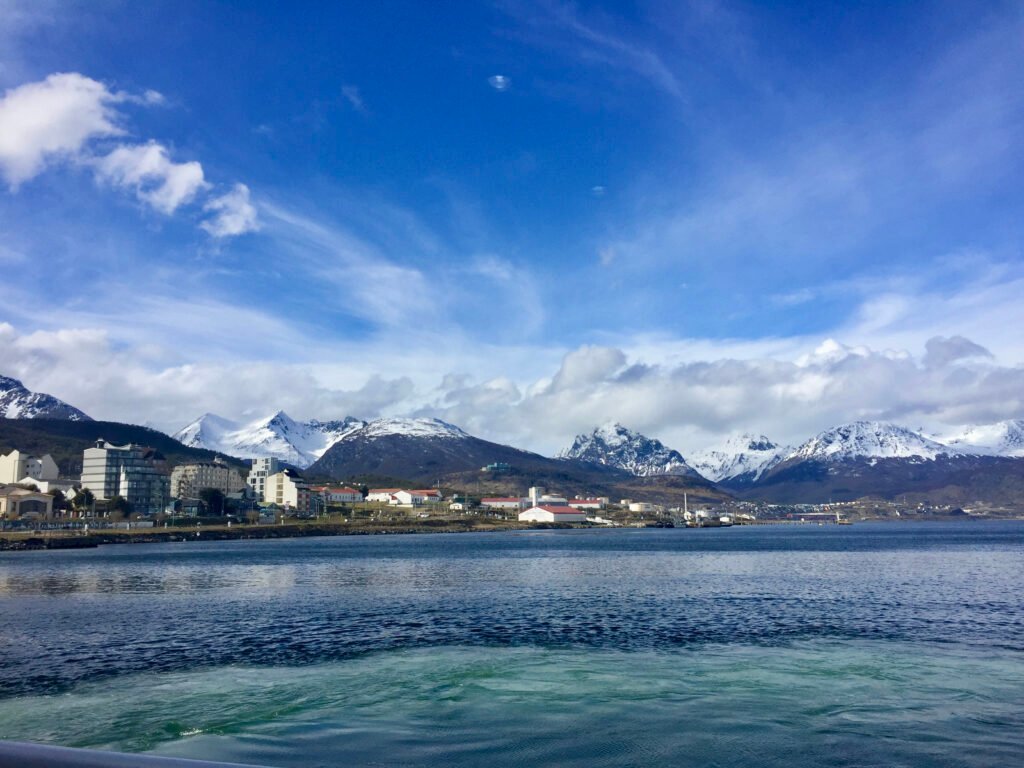
After that I never made the time. I went south instead. Ushuaia, Bariloche. Travelling around the places people call the end of the world, I thought often about the islands I hadn’t reached. I still remember seeing the word Malvinas in Ushuaia for the first time. It wasn’t tourist signage.
While I lived in Buenos Aires, the Malvinas were background. They were in a subway station name, on the banknotes, on the memorial in the plaza, on a sticker behind a café counter. After eight years you stop seeing any of it. Then a week like this one comes and the background moves to the front.
In the same sentence as football
After Argentina beat England 2–1 in the World Cup semi-final, the players held up a banner reading Las Malvinas son argentinas. From outside the country it can look like a non sequitur. To anyone who has lived there it isn’t one.
From what I could observe, the root of it has less to do with Britain holding the islands than with Argentina having lost the war. The feeling about England seemed to run as a single line from 1982 through Maradona’s goal in 1986. Football picked that line up and has never put it down.
Which is why sovereignty and football belong in the same sentence here. Living there taught me that such a country exists.
The temperature varies, but not where you’d expect
On the claim itself there is no variation. I never met an Argentine who told me the islands weren’t Argentina’s. Left or right, devoted to Milei or contemptuous of him, it made no difference. This isn’t a political position. It sits underneath politics.
The variation is in who raises it, when, and why.
People critical of the president will read Thursday’s broadcast as a use of the subject. Employment figures are poor, the subsidy cuts hurt, and an election is coming in October 2027. And yet they can’t disagree with the content of the speech. That is precisely the position this topic occupies in Argentine political life. Because it cannot be argued with, it is useful.
One more thought, and this is speculation I can’t support with evidence. Argentina’s economy still carries the influence of old families, and a fair number of them are of British descent. I don’t expect that puts any of them on the other side of this. Too much time has passed, and they are Argentine too.
Where a foreigner stands
Both cases have something to them. On one side, the seizure of 1833 and a claim written into the constitution. On the other, a referendum with 92 per cent turnout and 1,513 votes out of 1,517. Which argument prevails will come down to power in international politics, the way it always has.
So watching is most of what someone like me can do. The city taught me not to reach for a verdict. If you’re asked, listen. Don’t make it the subject of a joke. It has been forty-four years, but veterans and their families still live there.
Closing
When the broadcast ended I closed both screens. On one, cars had begun driving with nobody in them. On the other, a forty-four-year-old sentence was being read out again.
It’s three in the morning in Buenos Aires. I don’t know how the city spent this night.