
Last updated October 25, 2026. Prices are in US dollars first, with pesos alongside. Pesos are converted at the official Banco Nación (BNA) selling rate of 1,545 per dollar on October 20, 2026, unless a source gives its own dollar figure; the June 2025 La Salada prices keep that month’s rate of 1,180. Older peso prices are shown as reported on their date, so treat them as a guide.
For years, one of the small rituals of living in Buenos Aires was hearing someone come back from Santiago, Miami or Madrid with a suitcase full of clothes. Not souvenirs. Jeans, sneakers, kids’ pyjamas, a winter coat. Everyone knew why: clothes here cost more than almost anywhere else, and nobody quite understood how.
Now H&M has confirmed it is coming: H&M Argentina is set to open its first store in 2027. Good news, probably. But with Shein and Temu parcels arriving at Argentine doors every day, the real question is: where does H&M even fit?
I lived in Buenos Aires from 2017 to 2024, and clothes shopping was one thing I never got used to. Here’s what the numbers say now, with facts and opinion kept apart.
Quick answer: H&M’s first Argentine store is planned for 2027 at Alto Palermo; no store or online shop yet. A basic tee runs roughly USD 3–5 at La Salada, USD 6–15 on Shein or Temu, about USD 12 at a supermarket label and USD 20–70 at mall brands. H&M will likely land near the bottom of the mall range, not at Shein prices.

What H&M has actually confirmed
On April 24, 2026, H&M announced it would open its first store in Argentina during 2027, run by a franchise partner called Hola Moda (H&M Group, Apr 24, 2026). Hola Moda is controlled by the Panama-based groups Phoenix and Dorben, and already runs H&M in several Central American countries (La Nación, Apr 24, 2026).
- Where: Alto Palermo, the mall on Avenida Santa Fe and Coronel Díaz. Press reports describe a first-floor flagship (the primer piso, one level above the street) of about 2,130 m² (Clarín; iProfesional, Oct 6, 2026).
- When: 2027. iProfesional reported the opening is expected in the first half of the year, with stock supplied from the operator’s distribution centre in Panama and no further stores announced so far (iProfesional, Oct 6, 2026). There’s no exact date.
- Online: I couldn’t find any announced Argentine online store. When I checked H&M’s Argentine web address on October 20, 2026, it only showed a maintenance page.
So today: zero stores, one confirmed for next year.
The Coto capsule: the only real local price clue
Argentines have had a small taste already. From December 1, 2025, the supermarket chain Coto sold a summer H&M capsule, mostly womenswear, in six hypermarkets including Abasto, Nordelta and Mar del Plata (La Nación, Dec 3, 2025; Infobae, Dec 2, 2025). The prices reported at the time, with dollars at 1,545:
| Item (Coto H&M capsule) | Price |
|---|---|
| T-shirt | about USD 12 (ARS 19,000) |
| Top | about USD 16 (ARS 24,999) |
| Jeans | about USD 26 (ARS 40,000) |
| Shirts, trousers, dresses | about USD 30 (ARS 45,999) |
For comparison, H&M’s basic Regular Fit T-shirt was USD 7.99 before sales tax in the US on October 20, 2026 (H&M US), EUR 6.99 in Spain (about USD 8) and UYU 349 in Uruguay (about USD 8.50). Different garments, so not a perfect match, but the Argentine price was roughly one and a half times the foreign one.
Why clothes cost so much in Argentina
If you’ve ever done the dollar maths in a Palermo shop and winced, you weren’t imagining it.
The tariff cut from 35% to 20%
Fact: On March 31, 2025, Decreto 236/2025 cut the import duty on clothing and footwear from 35% to 20%, on fabrics from 26% to 18%, and on yarns from 18% to between 12% and 16% (Argentine government, Mar 31, 2025; Decreto 236/2025 in the Boletín Oficial).
My reading: it helped, but less than people expected. Duty is only one layer. IVA (21%), provincial gross-income tax, shopping-mall rents, card instalment costs and margins all sit on top. In a rough example I worked through for an imported basic tee, the 15-point cut lowered the shelf price by only about 10% (my own illustration, not H&M’s costs).
The Zara index and the IERAL data
In November 2025, iProfesional’s “Zara index” found women’s jeans at about USD 83 (ARS 119,990) in Argentina against roughly USD 35 in Spain, 40 in Chile and 60 in the US (iProfesional, Nov 11, 2025).
In February 2026, La Nación compared six Zara items and found them on average about 140% more expensive than in Spain. Adidas, oddly, came out about 5% cheaper (La Nación, Feb 4, 2026).
The gap is closing, though. The think tank IERAL found that among durable goods, clothing and footwear, the share of products where Argentina was the most expensive of the countries compared fell from 96% in March 2025 to 74% in August 2026, and the average price gap shrank from 91% to 40%. Argentina still ranked second out of 100 countries for the price of a dress from an international brand (Infobae, Sept 9, 2026).
Between January and August 2026, clothing and footwear prices rose 4.5% while overall inflation was 21.3%, according to INDEC figures reported by Clarín (Clarín, Sept 2026).
What clothes cost in Argentina right now: the price tiers
Here’s a rough map of where a basic T-shirt and a pair of jeans sit. Dates differ, so treat it as a guide, not a price list. My Buenos Aires cost of living breakdown and the post on food and grocery costs in Buenos Aires put these next to rent and food.
| Where | Basic T-shirt | Jeans | Source and date |
|---|---|---|---|
| La Salada market (Lomas de Zamora) | USD 2.50–4.70 (ARS 3,000–5,500) | USD 5.90–8.50 (ARS 7,000–10,000) | Provincial News, June 20, 2025, at the June 2025 BNA rate of 1,180. 2026 prices are probably higher. |
| Shein | USD 6.40–14.70 (ARS 9,837–22,649), men’s | USD 35–45 (ARS 54,135–69,575), men’s | Tiempo de San Juan, Sept 14, 2026 |
| Temu | USD 8.70–10.50 (ARS 13,486–16,153), men’s basics | USD 25–26 (ARS 38,778–40,071), men’s | Tiempo de San Juan, Sept 14, 2026 |
| Carrefour’s Tex label | USD 11.60 (ARS 17,990), women’s | Gap jeans USD 32.40 (ARS 49,990) | iProfesional, June 23, 2026 |
| H&M at Coto | about USD 12 (ARS 19,000) | about USD 26 (ARS 40,000) | La Nación, Dec 3, 2025 |
| Mid-market local brands (Topper, Tascani) | median about USD 19–25 (ARS 29,999–39,000) | Tascani median about USD 51 (ARS 79,000) | Brands’ own online stores, Oct 20, 2026 |
| Top local brand stores | USD 49–71 (ARS 75,000–109,000) | USD 105–135 (ARS 162,000–209,000) | Tiempo de San Juan, Sept 14, 2026 |
| Zara Argentina | — | about USD 83 (ARS 119,990), women’s | iProfesional, Nov 11, 2025, its own dollar figure |
One honest caveat: sales change everything. The same San Juan survey found shops in the city centre with T-shirts from about USD 4.50 (ARS 7,000) and jeans from about USD 16 (ARS 25,000) during end-of-season clearances (Tiempo de San Juan, Sept 14, 2026).
Shein and Temu: how much Argentines really use them
You can’t talk about H&M without the parcels. In many Buenos Aires buildings, the doorman’s desk has become a small sorting office.
The scale, in numbers
- 2025: courier imports reached about USD 894 million, up from USD 239 million in 2024, a 274% jump, according to private estimates based on official data. The same report counted more than 5,400 purchases from abroad a day (iProfesional, Jan 21, 2026).
- 2026 so far: January to August added up to USD 855 million, 71% more than a year earlier. June set the monthly record at USD 125 million; August was USD 104 million. Analytica expects the year to close above USD 1.2 billion (La Nación, Sept 22, 2026).
- Compared with malls: August’s USD 104 million equalled about 40% of what the 70-plus shopping centres tracked by INDEC sold in clothing, sports goods, electronics, furniture, décor and toys. In 2024 that ratio was under 10% (La Nación, Sept 22, 2026).
- Parcels: there’s no official monthly count of packages, but one data point says a lot. By mid-2025 the logistics company Andreani was handling about 300,000 Temu shipments a month, with an average of six items worth USD 70–76 per parcel (La Nación, July 21, 2025).
Those courier figures cover everything bought from abroad, including Amazon and electronics, not only Shein and Temu. The official data doesn’t break it down by platform.
Market share and who is buying
The clearest share figures come from the e-commerce chamber CACE and Kantar’s mid-2026 survey of 1,000 online shoppers (Forbes Argentina, Aug 20, 2026). Asked where they made their last international online purchase:
| Platform | 2025 | First half of 2026 |
|---|---|---|
| Mercado Libre (international listings) | 33% | 31% |
| Temu | 10% | 23% |
| Shein | 8% | 20% |
| Amazon | 13% | 9% |
| AliExpress/Alibaba | 15% | 7% |
Six in ten respondents had bought from abroad at some point, up from four in ten a year earlier, and 18% made their first international purchase in 2026. Temu grew most among over-65s, Shein among women, and 64% still buy abroad only occasionally.
Why people buy, in their own words
The reasons aren’t mysterious. In the CACE survey, 64% said they found a lower price than in Argentina, 50% mentioned more variety of brands and models, and 45% pointed to promotions (Forbes Argentina, Aug 20, 2026).
The San Juan price survey captured the mood well: older shoppers still prefer the shops in the centre, where you can try things on, pay in interest-free instalments and take it home today. Younger buyers lean on the apps (Tiempo de San Juan, Sept 14, 2026). That matches what I saw among people I knew in Buenos Aires: a Shein order for basics and kids’ clothes, and a local shop for anything that has to fit properly.
My opinion: for many Argentine families, this isn’t about fast-fashion addiction. It’s about a pair of school trousers that costs a third of the local price. That’s worth remembering before judging anyone’s doorstep.
The courier and postal rules in 2026
This is the part that changed the game. Facts, as set out by ARCA, the tax and customs agency (ARCA, “Pequeños envíos”):
- Up to USD 400 FOB per shipment is exempt from import duty and the statistics fee. You still pay IVA (and internal taxes where they apply).
- Above USD 400, the duty applies only to the excess.
- Each shipment can be worth up to USD 3,000, a cap raised from USD 1,000 by RG 5608/2024, announced Dec 2, 2024.
- You can use this regime five times per calendar year per person, with up to three units of the same item per shipment, packages up to 50 kg, and no commercial purpose.
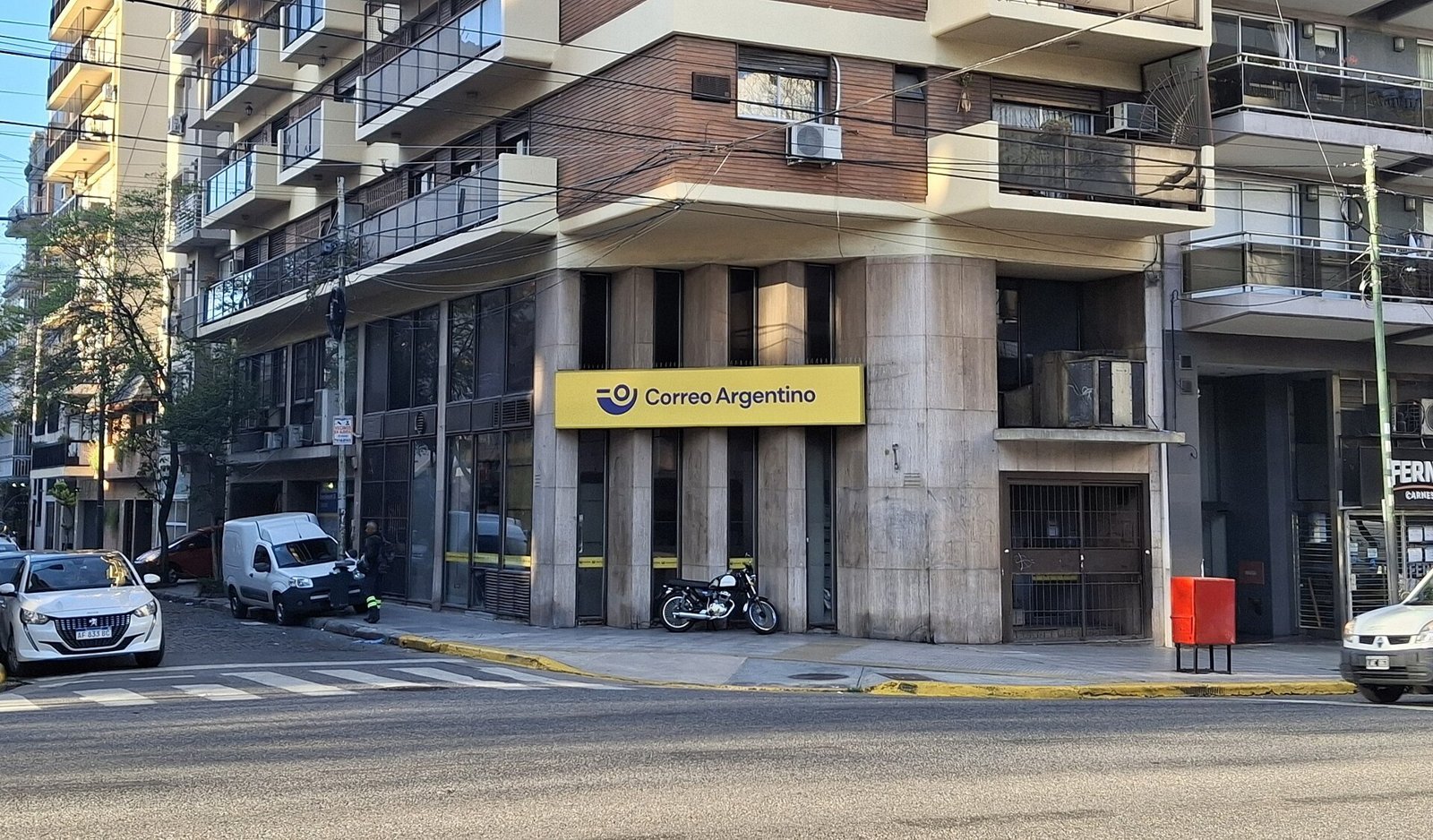
- Since Decreto 604/2026, Boletín Oficial, July 17, 2026, the same USD 400 / five-a-year rule also covers Correo Argentino postal imports. The old postal rule allowed USD 50 tax-free, 12 times a year, with a flat 50% duty above that (iProfesional, Aug 3, 2026).
Under the new procedure, the platform or operator can collect taxes and shipping at checkout, and the buyer’s CUIL, CUIT or CDI is reported to ARCA before the parcel arrives (TN, July 30, 2026; Correo Argentino). You can check how many of your five shipments you’ve used in ARCA’s “Envíos Postales Internacionales” service with a level-2 Clave Fiscal (Ámbito, Oct 11, 2026).
ARCA also warns that it doesn’t contact buyers directly to demand payment for a parcel. The courier collects (Ámbito, Oct 11, 2026).
Delivery, payment and returns
- Delivery time: Shein listed 13–27 days for Argentina, plus 1–3 days of preparation, with taxes prepaid (Shein Argentina shipping page, checked Oct 2026). Ámbito reported 6–20 days for Temu’s standard shipping.
- The card surcharge: if a purchase shows up on your Argentine card statement in dollars and you pay it in pesos, a 30% perception (an advance on income tax) is added. On Oct 20, 2026 the “dólar tarjeta” was ARS 2,008.50 against 1,545 official (TN, Oct 20, 2026). Paying the dollar balance with dollars avoids it.
- Returns: Shein accepts most returns within 30 days, but its Argentine policy currently deducts ARS 16,000 (about USD 10) for its return label; swimwear and underwear can’t be returned (Shein Argentina return policy). Temu offers a free first return per order within 90 days through ClicOH drop-off points (Temu Argentina return policy).
Sizing and quality, honestly: it’s a lottery. Measure a garment you own, compare it with the size chart, and read reviews with photos. Basics and kids’ clothes are safer bets; anything tailored or needed by a date is a gamble.
The industry side: Pro Tejer, CAME and CIAI
Fact: Pro Tejer’s September 2026 bulletin says the textile industry used only 45.3% of its capacity in July 2026, the chain lost 28,322 registered jobs (23.4%) between December 2023 and June 2026, and 1,042 companies closed. It estimates imports now supply about 70% of the domestic market, up from roughly half historically (Fundación Pro Tejer, September 2026 bulletin).
Pro Tejer itself says the main cause is weak domestic demand, with wages and spending under pressure, rather than imports alone. The clothing manufacturers’ chamber CIAI has pushed for a law, inspired by France’s, to make platforms like Shein and Temu face the same conditions as local producers (Infobae, Sept 6, 2025).
Retail is mixed. CAME’s survey of small and mid-sized shops found clothing sales up 5% year on year in September 2026, the best of its seven sectors. But that followed a very weak September 2025, and shopkeepers admitted selling at a loss to raise cash (CAME, Oct 4, 2026).
My view: both things are true at once. Argentines are finally paying something closer to world prices for clothes, and an industry that employed whole neighbourhoods is shrinking fast. I don’t think anyone has a tidy answer to that yet.
So where will H&M Argentina fit?
This section is analysis and opinion, not reporting.
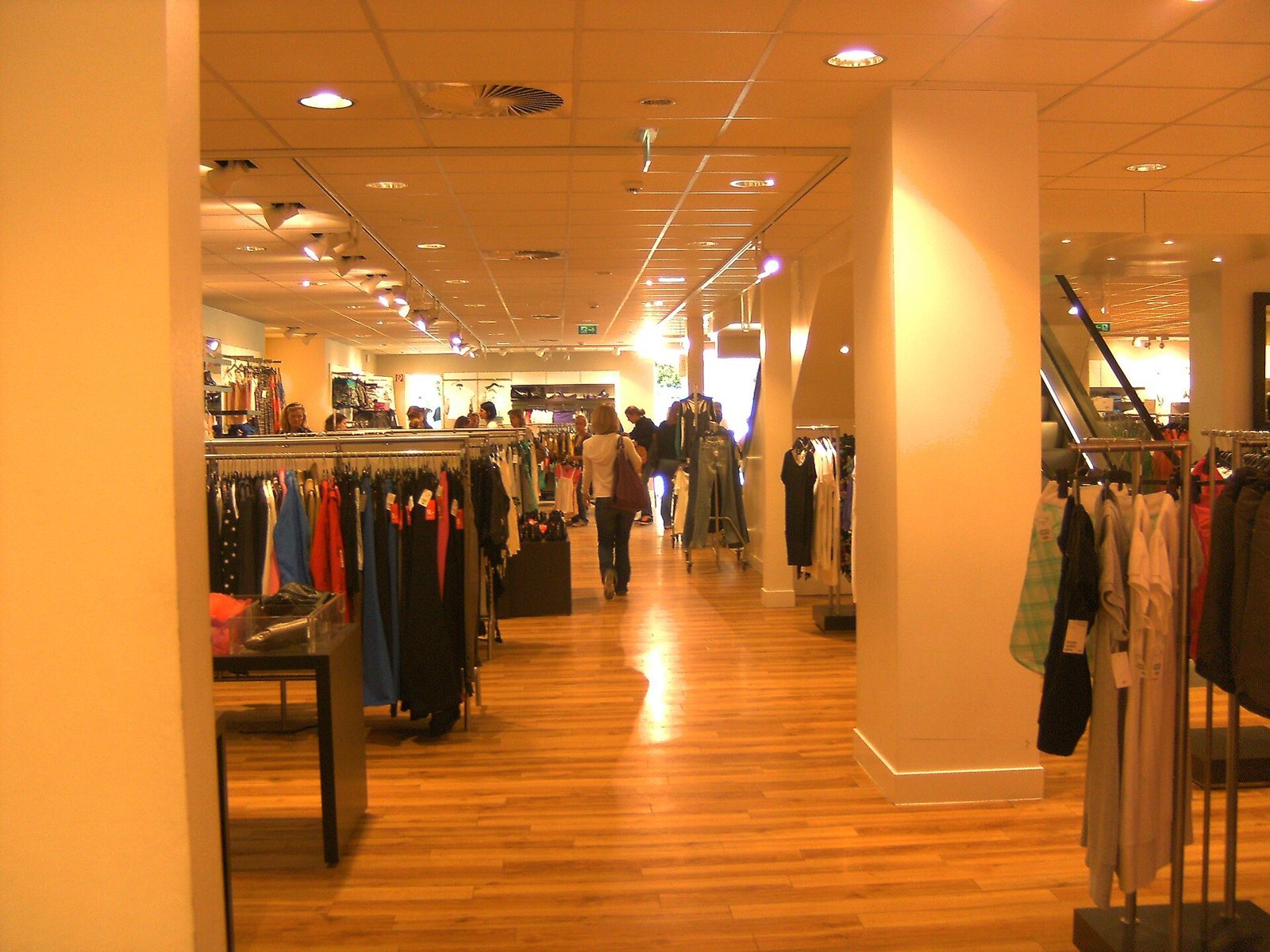
- It won’t match Shein or Temu on price. With duty, IVA, provincial tax, mall rent and a franchise margin, a USD 8 tee abroad landing at USD 12–16 in Buenos Aires seems realistic. The Coto capsule, at about USD 12, already fits that range.
- It can still undercut the mall. When local mall tees run USD 20–70 and Zara jeans around USD 83, H&M has room to be the clearly cheaper international brand in Alto Palermo.
- Its real advantages are things parcels can’t offer: fitting rooms, instant returns, interest-free instalments and no five-shipment limit.
Practical tips for residents and visitors
- Residents: treat your five tax-free shipments as a budget: combine orders and keep each under USD 400.
- Pay attention to how you pay. If a foreign purchase arrives on your statement in dollars, paying with dollars avoids the 30% perception. My guide to exchange rates, cards and cash explains the options.
- Buy fit-critical items locally, ideally in clearance season.
- Visitors: the tax-free courier regime needs an Argentine tax ID (CUIL, CUIT or CDI), so it isn’t built for short visits. Bring basics from home.
- Data while you shop: checking a shelf price against Shein or finding your way between Alto Palermo and the next mall is easier with mobile data. If roaming on your home plan is expensive, an option is a data-only travel eSIM (it gives you no local +54 number). I’d look at Simsima’s Argentina plans, from about USD 5 for 1 GB/7 days as of October 2026. That’s an affiliate link, so I may earn a commission at no extra cost to you. Check that your phone is unlocked and eSIM-capable first.
- New arrivals: if you’re setting up in the city, my first-month survival guide covers the paperwork that makes all of this easier.
Rules, tax rates, exchange rates and prices in this article were checked between October 20 and 21, 2026, unless another date is given. They change often, sometimes by decree overnight. Check ARCA, the Boletín Oficial and the retailer’s own pages before you buy.
FAQ: H&M, Shein and clothing prices in Argentina
When will H&M open in Argentina?
H&M has confirmed its first Argentine store for 2027, at the Alto Palermo mall in Buenos Aires, run by franchise partner Hola Moda. Press reports expect the first half of 2027, but there’s no official date yet.
Can I buy H&M online in Argentina?
Not as of October 2026. There’s no announced Argentine online store. The only local sale so far was a limited capsule at Coto supermarkets from December 2025.
How much tax do I pay on a Shein or Temu order?
Up to USD 400 FOB per shipment, you pay IVA but no import duty or statistics fee, up to five shipments a year. Above USD 400, duty applies only to the excess. Since July 2026 the same rule covers Correo Argentino.
Is Shein actually cheaper than shops in Argentina?
For basics, usually yes. A Sept 2026 survey found Shein and Temu men’s tees at about USD 6–15 against USD 49–71 in top local stores. For branded items it can go the other way: the same Adidas sneaker was about 15% cheaper in a local shop.
Why are clothes so expensive in Argentina?
Years of trade protection, high taxes (IVA, provincial gross-income tax), mall rents and instalment financing costs. The gap has narrowed since 2025, but Argentina still ranks among the world’s most expensive countries for clothing.
Related reading: Buenos Aires Cost of Living 2026 · Food & Grocery Costs in Buenos Aires 2026 · Argentina Exchange Rates 2026 · Argentina Business Opportunities 2026