
I moved to Buenos Aires over a decade ago, and in that time I’ve watched Argentina’s currency situation go from confusing to chaotic to — believe it or not — almost normal.
During the peak of the Blue Dollar era under the previous left-wing government, the gap between the official rate and the informal street rate was nearly 2x. If you knew what you were doing with US dollars, you were effectively living in one of the world’s most expensive cities at half price. It was a remarkable situation — and one I felt guilty about more than once, watching local friends and neighbors get crushed by inflation while I quietly benefited from the arbitrage.
In April 2025, Milei’s government lifted currency controls (the cepo cambiario). The official rate, MEP rate, and Blue Dollar have since converged to within 2–3% of each other. The arbitrage era is over.
But Argentina’s money situation still rewards people who understand it. With annual inflation still running at 33.1% (February 2026), the difference between using the right card and the wrong one — or walking into the wrong exchange — can still cost you real money. Here’s what you need to know.
The 2026 Exchange Rate Landscape
| Rate Type | USD → ARS (March 2026) | How to Access |
|---|---|---|
| Official Rate | ~1,350–1,400 ARS | Banks, airport exchange desks |
| MEP Rate | ~1,460 ARS | Foreign Visa/Mastercard (automatic) |
| Blue Dollar | ~1,435–1,500 ARS | Informal cash exchanges |
The bottom line: use a foreign Visa or Mastercard for most purchases, and bring some USD cash for smaller vendors. The dramatic multi-rate arbitrage that defined Argentine travel for years is largely gone — but the MEP rate via your card still beats the official rate, with zero risk and zero hassle.
Best Ways to Pay — Ranked
1. Foreign Debit/Credit Card (Best Option)
When you pay with a foreign Visa or Mastercard in Argentine pesos, the MEP exchange rate is applied automatically. No setup, no special account — it just happens. For most travelers, this is the cleanest solution: great rate, no cash risk, no hassle.
One rule you cannot forget: when the payment terminal asks which currency you want to pay in, always select ARS (pesos). If you select USD, the merchant’s bank applies its own conversion rate, which is always worse. This catches a surprising number of travelers off guard.
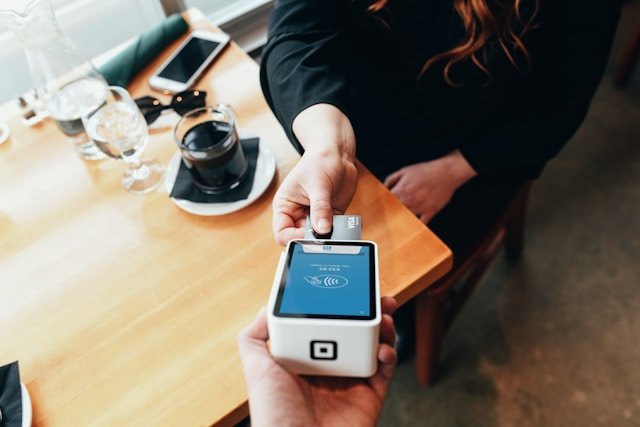
Best cards to bring:
- Charles Schwab debit card — no foreign transaction fees, reimburses all ATM fees worldwide. A staple for US travelers.
- Wise or Revolut — excellent exchange rates, low fees, great for digital nomads managing multiple currencies
- Visa or Mastercard credit cards with no foreign transaction fees — Chase Sapphire, Capital One Venture, etc.
- Amex: MEP rate applies, but Amex acceptance in Argentina is limited — bring it as a backup only
One important caveat: Argentina is not yet a fully card-friendly country. Small restaurants, street vendors, local markets, and neighborhood shops often only take cash. Before you sit down and order, ask whether they accept foreign cards. Finding out at the end of a meal is an unpleasant surprise — and it happens more than you’d think.
2. USD Cash + Informal Exchange
Even with rates largely converged, carrying some USD cash is still useful — especially for smaller vendors who won’t take cards, or for places that offer a cash discount (10–20% is common in local restaurants and small shops).
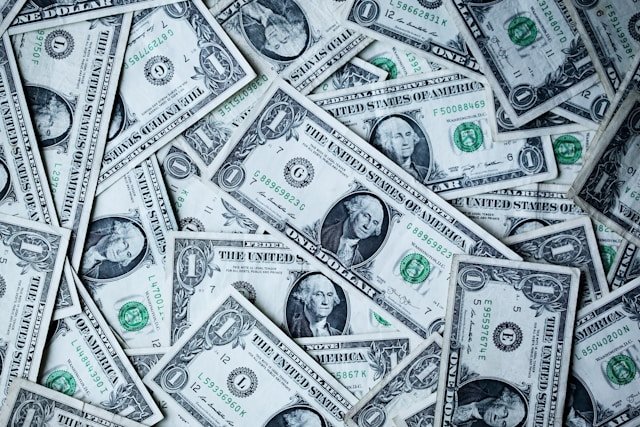
Bring new $100 bills. The large-portrait design, clean and uncreased. Worn, torn, or small-denomination bills get rejected or receive unfavorable rates. Exchange desks are picky about this.
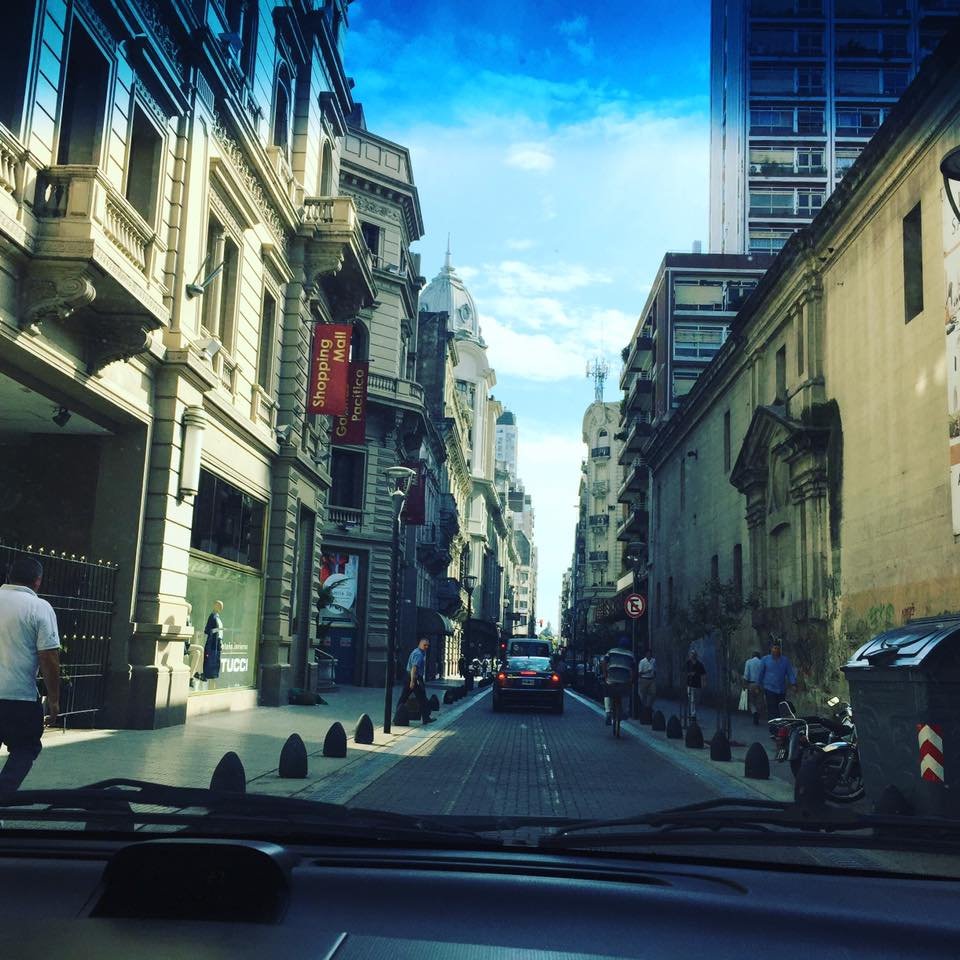
On Florida Street and the “cambio” guys: If you walk down Calle Florida in Buenos Aires, you’ll hear people calling out “cambio, cambio!” — unofficial money changers. In the heyday of the Blue Dollar, following one of them down an alley to exchange cash was almost a rite of passage for visitors. Now, with the rate gap near zero, the risk-reward no longer makes sense. Stick to official exchange offices (casas de cambio) or ask your hotel to recommend a trusted option. The potential upside is a few extra pesos; the downside is counterfeit bills or worse.
3. What to Avoid
- Withdrawing pesos from Argentine ATMs with a foreign card — high fees plus unfavorable rates. If you must use an ATM, Charles Schwab reimburses fees, which helps.
- Exchanging cash at the airport — official rate applies, which is the worst of the three options.
- Carrying large amounts of cash at once — petty theft exists in Buenos Aires, particularly in busy areas. Take only what you need for the day.
A Story About Inflation — What Living Here Actually Felt Like
Most travel guides give you the numbers on Argentina’s inflation. They don’t tell you what it feels like to watch it happen from the inside.
During the worst years, the government was printing new peso notes every quarter just to keep up with the currency’s collapse. First came the 200-peso note, then 500, then 1,000. And still it wasn’t enough. Paying for a dinner out meant handing over a thick stack of bills — your wallet literally got fatter while the currency got weaker.
Coins essentially disappeared. The small change of everyday transactions became worthless so fast that people stopped bothering with them. Anything below a certain amount just gets rounded or absorbed. Now most small transactions go on card by default — not because Argentina became more modern, but because the denominations became too absurd to handle in coins.
For a dollar-earning expat, it was a strange experience. Every time inflation spiked, my purchasing power in the local economy went up. I was getting steaks, coffee, and apartments at prices that felt impossible compared to any other city I’d lived in. But watching neighbors — people with local peso salaries — struggle to keep up with price increases that outpaced their wages every month was genuinely uncomfortable. The math worked in my favor and didn’t sit easily.
Since Milei took office and cut the inflation rate from over 200% annually to around 33%, some of that surreal quality has faded. Argentina feels more like a normal country to navigate financially — which is good for everyone, even if it means the “deal” for foreign visitors isn’t quite what it once was.
What Things Actually Cost in 2026
Based on MEP/Blue Dollar rates, March 2026. Prices shift frequently due to ongoing inflation — treat these as ballpark figures.
| Item | Est. Cost (USD) | Notes |
|---|---|---|
| Hostel dorm bed | $8–$20 | Palermo or San Telmo recommended |
| Mid-range hotel (double) | $70–$120 | Good deals on Booking.com |
| Empanada (1 piece) | $0.50–$1.50 | Best street food value in the city |
| Parrilla dinner (steak) | $15–$30 | Includes a glass of Malbec |
| Coffee at a café | $2–$5 | — |
| Subway/bus (one ride) | $0.30–$0.50 | SUBE card required |
| Uber airport → city center | $10–$20 | — |
Daily budget (mid-range traveler): $50–$100/day covers accommodation, food, and transport. Compared to Western Europe or the US, Buenos Aires is still a remarkable value.
7 Practical Tips Before You Go
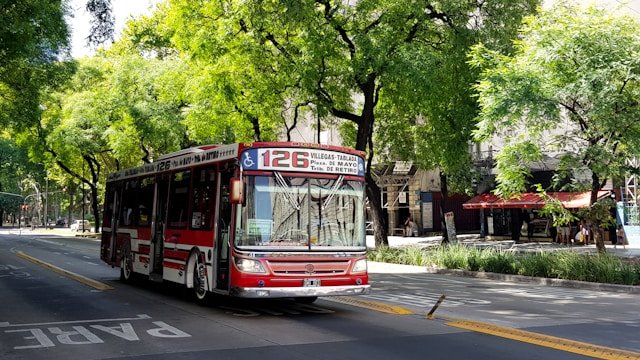
1. Get a SUBE card immediately upon arrival. All public transport in Buenos Aires — subway and buses — requires a SUBE card. Cash is not accepted. You can buy one at any kiosk or subway station and top it up with a card.

2. Ask about cards before you order. “¿Aceptan tarjeta extranjera?” (Do you accept foreign cards?) — learn this phrase. Ask it before you sit down, not after you’ve eaten.
3. Always pay in pesos. When the terminal gives you a choice of currency, choose ARS every single time. Choosing USD means accepting a significantly worse rate set by the merchant’s bank.
4. Break your bills early. Getting change is genuinely difficult. Large bills are often refused at small vendors. When you exchange cash, ask for a mix of smaller denominations, and use cards to gather small bills as change when you can.
5. Tip in cash. Adding a tip to a card payment is often not possible at Argentine restaurants. Keep some peso cash specifically for tipping — 5–10% of the bill is standard.
6. Check the rate before big transactions. With ongoing inflation, rates shift daily. Before any significant purchase, check bluedollar.net or a similar source to see the current MEP and Blue Dollar rates.
7. Don’t overload on cash at once. Exchange in smaller amounts ($200–$300 at a time) and only carry what you need for the day. Buenos Aires is a great city, but petty theft is real, especially in tourist areas.
Is Argentina Still Good Value in 2026?
Yes — just differently than before.
The era of 100% exchange rate arbitrage is gone. You won’t double your money just by knowing where to change cash. But Argentina on a foreign card still delivers world-class steaks, excellent wine, beautiful neighborhoods, and a genuinely rich cultural experience at prices that would be impossible in Western Europe or North America.
The trick isn’t chasing the best exchange rate anymore. It’s knowing which card to use, which places ask for cash, and how to navigate a country that has historically made its own monetary system as complicated as possible. That knowledge still pays off.
Exchange rates in this article reflect March 2026 conditions. Argentina’s rates move frequently — always verify current rates before travel.
Disclaimer: This article is for informational purposes only and does not constitute financial advice.