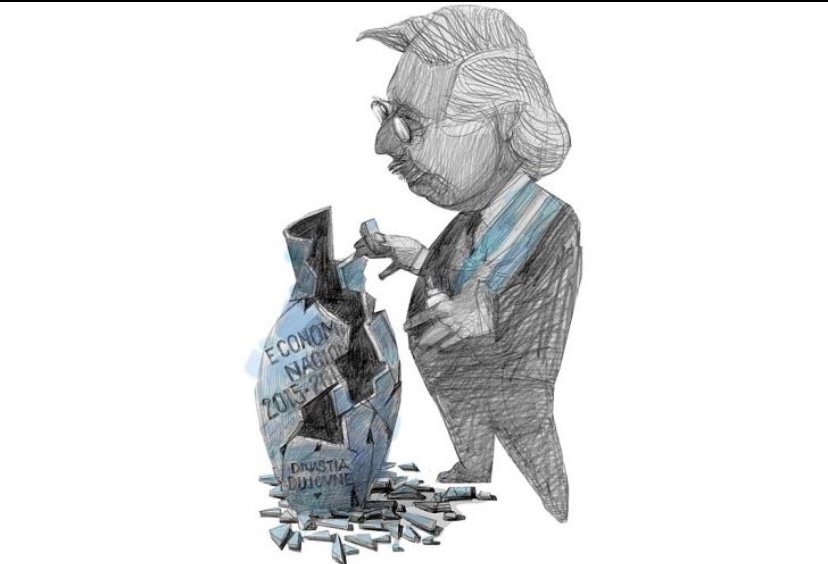
In mid-April 2020, the streets of Palermo, Buenos Aires — normally buzzing with life, tango dancers, and late-night asados — were eerily silent. Argentina’s debt crisis of 2020 had arrived at the worst possible moment: COVID-19 quarantine had turned one of the world’s most vibrant cities into a ghost town, and simultaneously, the country was facing yet another sovereign default.
This was the perfect storm.
Just months after Alberto Fernández took office in December 2019, the new Peronist government announced it was postponing payments on nearly $10 billion in foreign debt. Moody’s and Fitch immediately slashed Argentina’s credit rating to “Selective Default (SD)”. On April 16, President Fernández stood before the nation and declared what everyone already feared — a “virtual default.” It was Argentina’s ninth sovereign default.” It was the country’s ninth sovereign default in its history, and the second one in less than a year.
For those of us living there, it felt like déjà vu on steroids.
Argentina’s public debt had already ballooned to $330 billion — roughly 90% of GDP. The IMF audit confirmed the country could not repay its creditors under current conditions, the country simply could not repay its creditors. Inflation was running at over 50%, unemployment was skyrocketing, and global oil and commodity prices had collapsed due to the pandemic. It was the textbook definition of a perfect storm — chronic economic fragility meeting an unprecedented global health crisis.
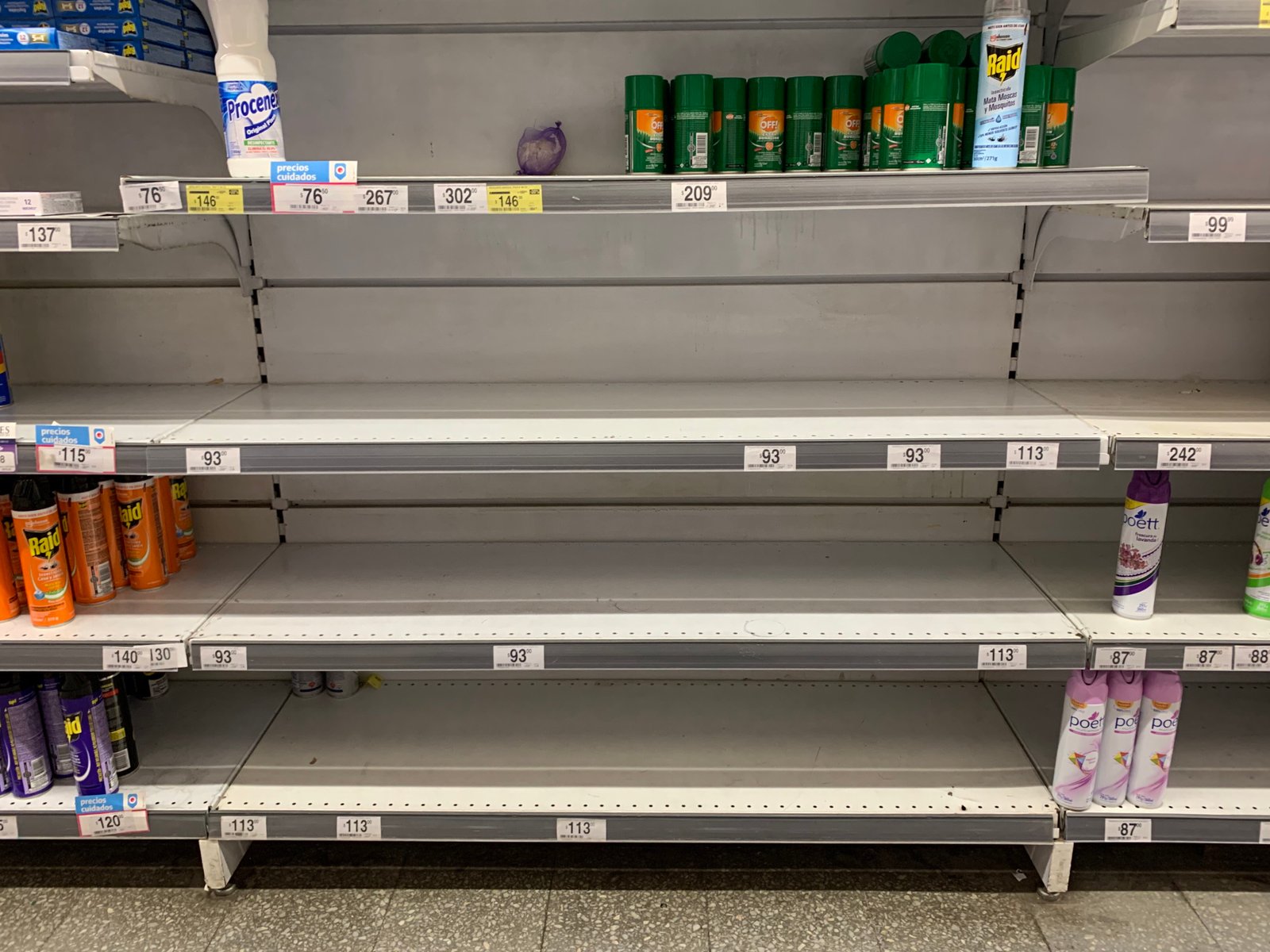
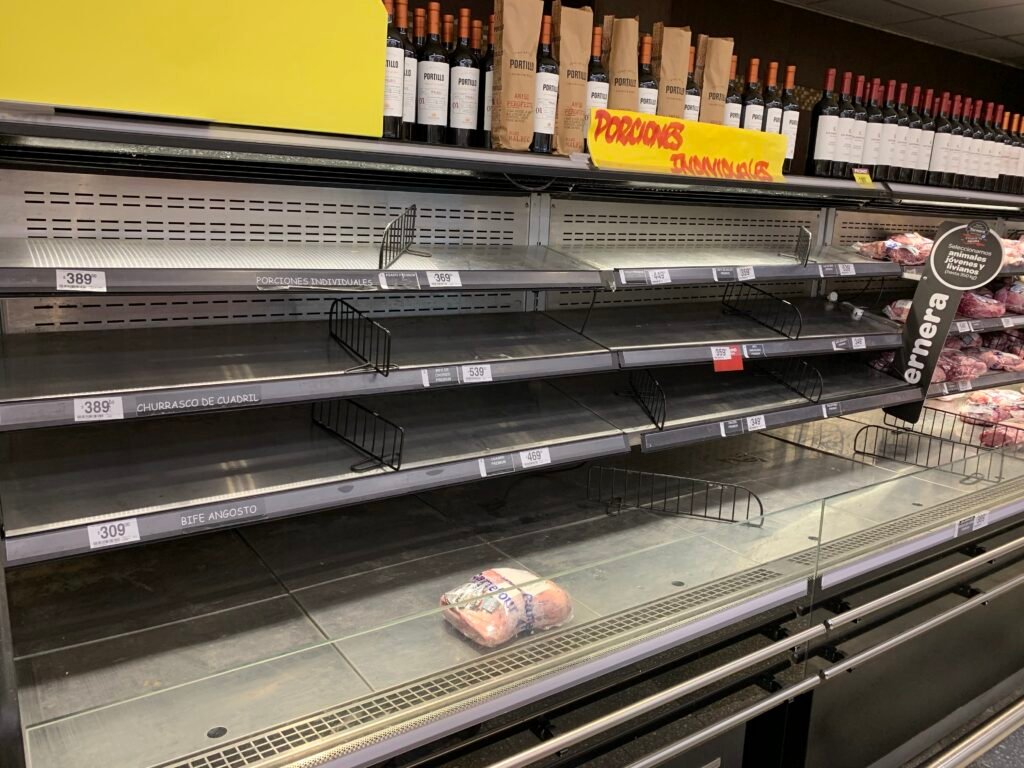
I still remember walking through the empty streets of Buenos Aires during those weeks. The usual crowds at the cafés on Avenida Santa Fe were gone. Supermarkets had long lines with people wearing masks and gloves. Everyone was whispering the same question: “Is this 2001 all over again?”
The previous government under Mauricio Macri had promised market reforms and foreign investment, but four years of austerity only led to a brutal foreign-exchange crisis and record inflation. Frustrated voters turned back to Peronism in 2019, hoping for relief. But no one expected a global pandemic to arrive just three months after the new president’s inauguration.

Fernández responded with emergency measures: three-year debt payment extensions, quantitative easing, cash transfers to the poorest families, and strict nationwide lockdown. He repeatedly used the word “solidaridad” (solidarity) in his speeches — a word that quickly became the slogan of the crisis. Yet many analysts remained deeply skeptical. Would this time be different, or would Argentina once again fall into the same cycle of boom and bust?
For locals and expats alike, the emotional toll was heavy. People who had finally started to believe in economic recovery suddenly faced empty shelves, skyrocketing prices for basic goods, and the very real fear that their savings would evaporate overnight. The peso was collapsing, the blue dollar rate was going wild again, and the future looked darker than ever.
Looking back from 2026, that April 2020 moment feels like a major turning point in Argentina’s modern economic history. It was the moment when the old economic playbook finally broke — and the country was forced to confront its deepest structural problems while the whole world was watching.
Argentina’s perfect storm of 2020 wasn’t just another debt crisis. It was a brutal reminder that sometimes the hardest storms come when you least expect them — and how a nation responds can shape its future for decades.
Have you ever lived through a moment when an economic meltdown and a global health crisis hit at exactly the same time? What country were you in? How did it change the way you think about money, government, and resilience?
Drop your story in the comments below — whether it’s from Argentina, Korea, or anywhere else in the world. I read every single comment, and these kinds of shared experiences are what make these conversations meaningful.
Related Reading:
- Buenos Aires Cost of Living 2026: Real Monthly Budget From 8 Years in Palermo
- I Survived Argentina’s Blue Dollar Era – What Changed in 2026
- Palermo vs Recoleta vs Belgrano 2026: Best Neighborhood for Expats
- Argentina Money Guide 2026: Exchange Rates, Cards & Cash