
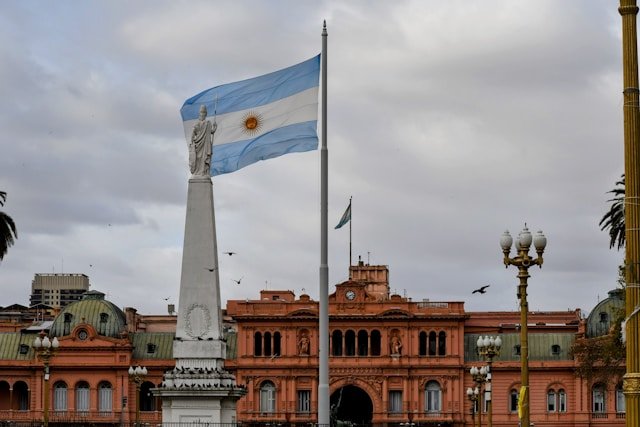
I moved to Buenos Aires in 2018 expecting a vibrant cultural city. What I witnessed instead was a decade of austerity that tested the limits of that vibrancy. This is not a theoretical analysis — it’s what I saw, heard, and lived through on the streets of Palermo, Recoleta, and Corrientes Avenue
In 2018, I was living in Palermo Chico when Argentina’s then-president Mauricio Macri announced a sweeping government restructuring that would, among other things, demote the Ministry of Culture to a sub-secretariat under the Ministry of Education. The cultural world treated it like a funeral.
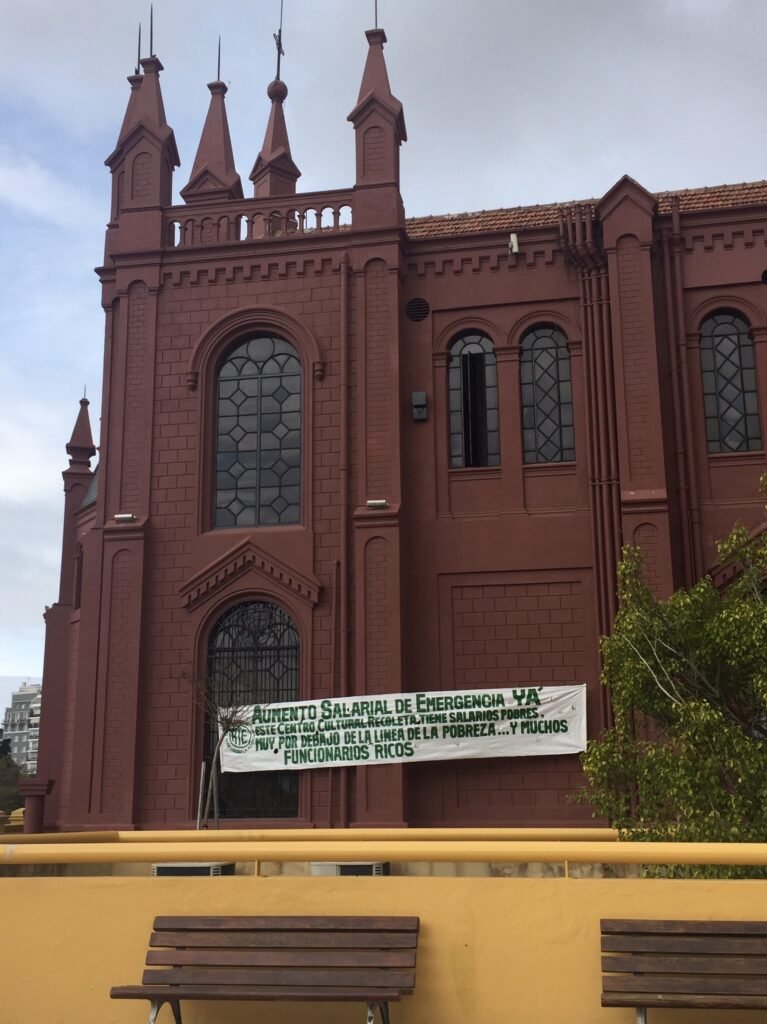
I went to the Centro Cultural Recoleta that week — my favorite cultural space in the city — and found a protest banner strung across the terrace: “Stop the persecution and layoffs of Recoleta Cultural Center workers.” I remember standing there thinking this city’s cultural soul was under attack.
I wrote about it at the time. I worried the Buenos Aires I loved — the one where Corrientes Avenue stays lit until 3 AM on Fridays because of theater, not nightclubs — was slipping away.
Eight years later, I went back to check. What I found is a story about two right-wing presidents, two very different approaches to cutting culture, and a city that outlasted both of them.
Macri (2015–2019): The Scalpel That Couldn’t Finish
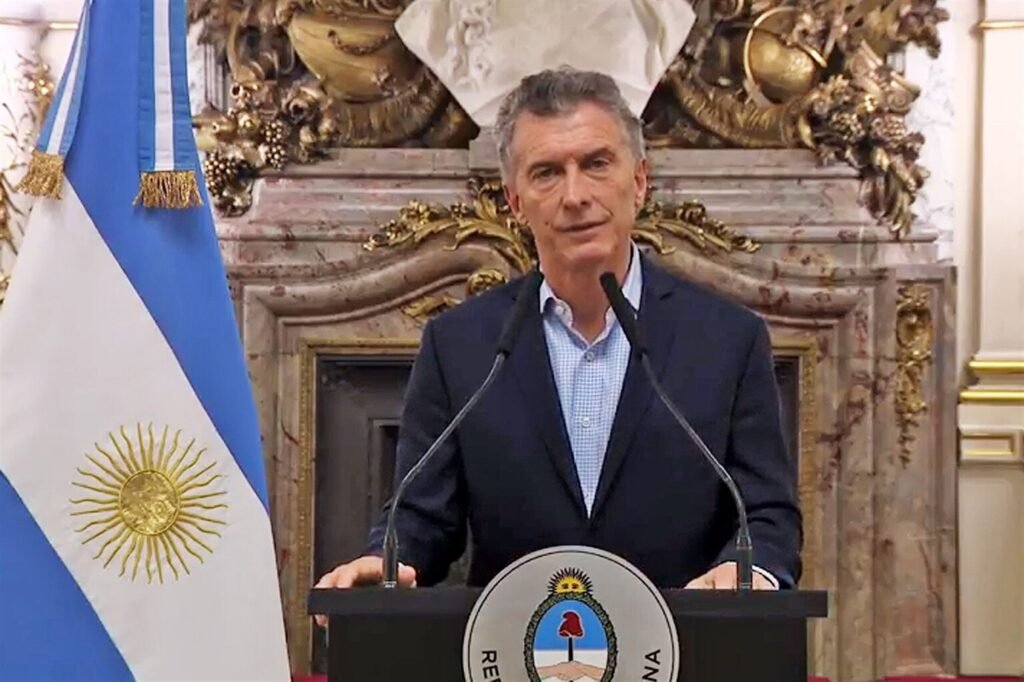
Mauricio Macri‘s approach to culture was incremental — death by a thousand cuts rather than a single blow. In September 2018, his government slashed the cabinet from 22 ministries to 10. Culture was folded into the Ministry of Education as a secretariat. Culture Minister Pablo Avelluto woke up one morning as a secretary.
The specific cuts were painful but targeted:
- 24 national museums lost their free admission — visitors would now pay entry fees
- The National Library stopped its annual book purchases entirely in 2018
- Funding for the Red de Puntos de Cultura (community cultural program) was slashed by 35%
- In 2017, Macri set all public arts funding laws to expire in 2022 — effectively scheduling the sunset of state support for film, theater, music, public libraries, and community radio in one move
It was significant. But Macri never went all the way. The cultural institutions survived in diminished form. And in 2019, when Peronist Alberto Fernández won the presidency, the Ministry of Culture was restored and budgets recovered.
What happened next, of course, was that the restored cultural budgets coincided with Argentina’s worst economic crisis in decades — 211% annual inflation, the Blue Dollar diverging wildly from the official rate, and poverty rates above 40%. The cultural funding came back. The economy didn’t.
Milei (2023–Present): 24 Hours to Abolition
Javier Milei was inaugurated on December 10, 2023. On December 11, the Ministry of Culture ceased to exist.
Not demoted. Not restructured. Eliminated.
Culture was absorbed into the new Ministry of Human Capital — a mega-ministry that also swallowed Education, Health, Labor, and Gender Affairs. Where Macri used a scalpel over five years, Milei brought the chainsaw he’d been waving at campaign rallies and finished the job in a day.
The institutional damage was immediate and specific:
INCAA (National Film Institute)
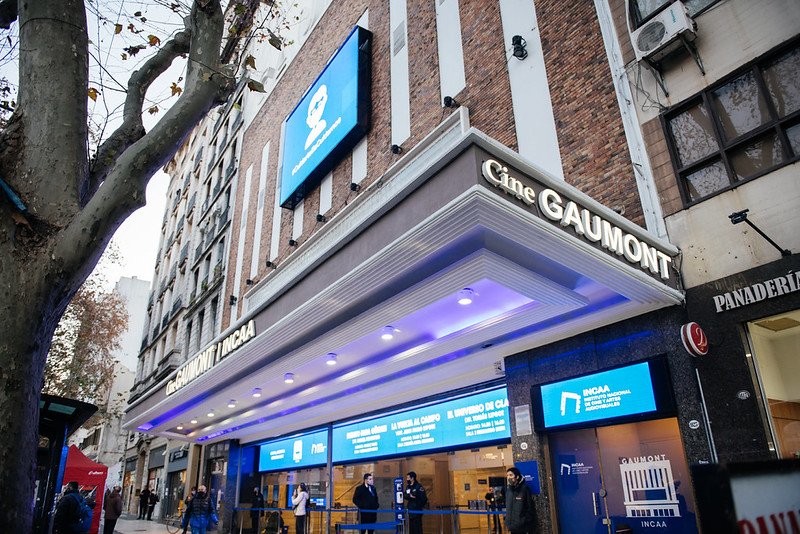
170 of 645 employees fired. All new project funding suspended for 90 days. Between 2024 and 2025, not a single new Argentine film was approved for production support. The Human Capital Ministry’s official statement: “The era of financing film festivals with the hunger of thousands of children is over.”
Presidential spokesperson Manuel Adorni boasted on X: “The racket is over. INCAA went from a 15.27 billion peso deficit in 2023 to a 7.24 billion peso surplus in 2024.” For the administration, this was a success story. For Argentine cinema — one of Latin America’s most decorated film traditions, with Palme d’Or winners and Oscar nominees — it was an existential crisis.
National Library
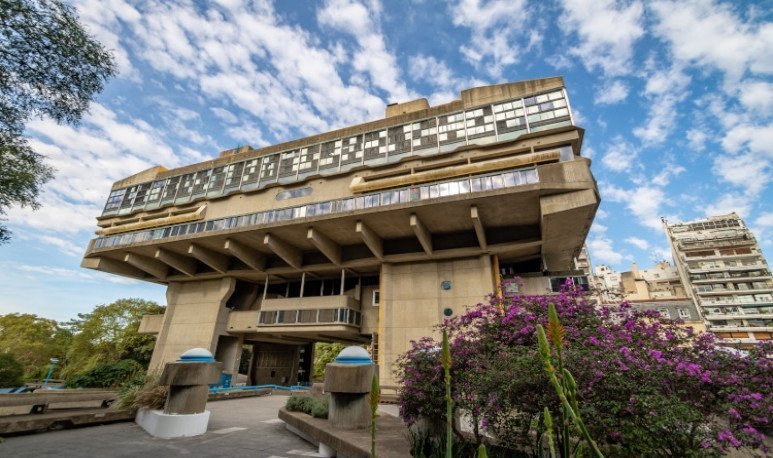
120 staff members dismissed. The termination notices came by email. For a city where bookstores stay open until midnight and the literary culture approaches something religious, the image of the national library firing people by email carries a weight that’s hard to convey to someone who hasn’t been here.
The CCK Rebrand
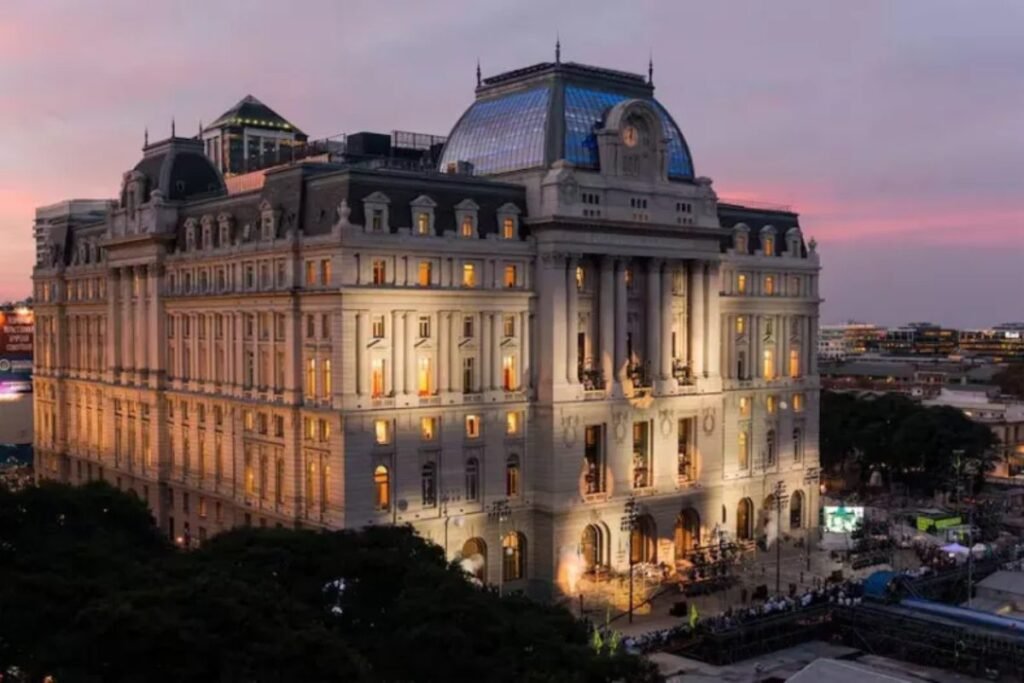
The Centro Cultural Kirchner — Buenos Aires’ massive cultural center built under the previous Kirchnerist government — was renamed “Palacio Libertad” (Palace of Liberty) in October 2024. By March 2025, the government had physically removed the old name from the building’s facade. This was partly political (erasing Kirchnerist branding) and partly ideological (the building is now framed as a monument to freedom rather than state-sponsored culture).
Everything Else
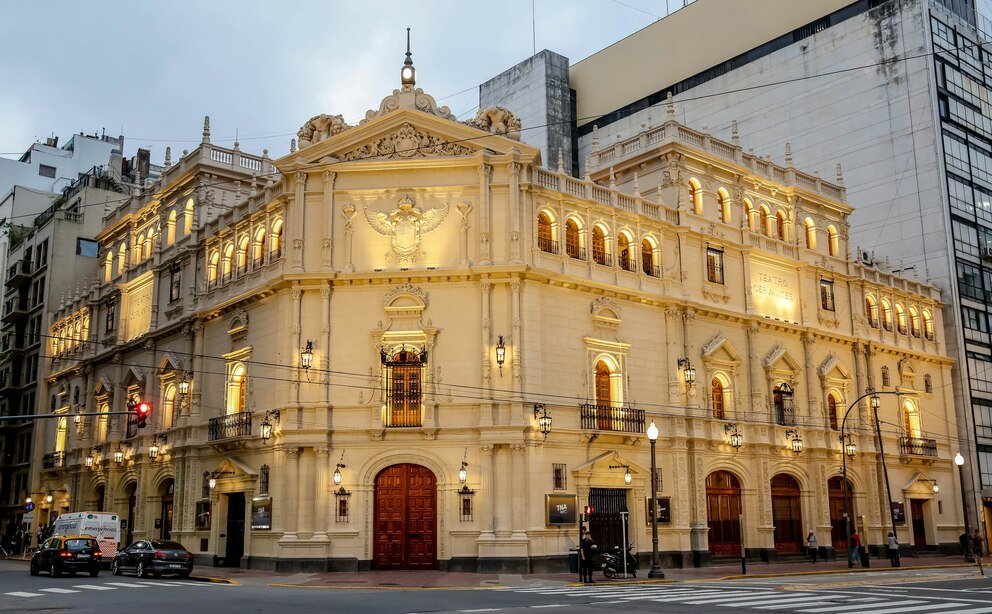
The National Theater Institute was restructured. The National Museum of Fine Arts and Tecnópolis were reclassified as “organizational units” under the Culture Secretariat. And a law protecting independent bookstores from being undercut by large retail chains was repealed — a quiet move with potentially devastating long-term consequences for Buenos Aires’ famously dense ecosystem of small bookshops.
The Numbers That Make It Complicated
Here’s why this isn’t a simple story of a villain attacking culture.
When Milei took office, Argentina was running 211% annual inflation. The poverty rate was above 40%. The gap between the official peso rate and the Blue Dollar was nearly 2x, creating a dual-economy absurdity that I lived through personally (and wrote about in my Argentina money guide).
Since the cuts — across all sectors, not just culture — the macro picture has shifted dramatically:
| December 2023 | Early 2026 | |
|---|---|---|
| Annual Inflation | ~211% | ~33% |
| Country Risk | 2,000+ bp | ~500 bp |
| Currency Controls | Active (cepo) | Lifted (April 2025) |
| Blue Dollar Gap | ~2x official rate | Within 2–3% |
Milei’s defenders say the numbers speak for themselves. His critics say the numbers don’t account for a national film institute that approved zero films in two years, or a national library that fired 120 people by email, or a generation of Argentine artists who now have no institutional support system.
Both sides are right, which is what makes it hard.
The Plot Twist: Buenos Aires Didn’t Collapse
Here’s what I didn’t understand in 2018 when I was writing that worried blog post: Buenos Aires runs on two separate budgets.
Argentina’s federal government funds national institutions — INCAA, the national library, national museums. But the City of Buenos Aires (GCBA) has its own autonomous government, its own tax revenue, and its own culture budget that the federal government cannot directly cut.
| Institution | Funded By | Status (2025–2026) |
|---|---|---|
| INCAA (Film Institute) | Federal | 170 layoffs, zero films approved |
| National Library | Federal | 120 fired by email |
| Centro Cultural Recoleta | City of BA | Operating normally; 45th anniversary in 2025; 2026 open call completed |
| BA Jazz Festival | City of BA | 17th edition Nov 2024; 18th edition Nov 2025 |
| Corrientes Ave. theaters | Mostly private | Running as always |
The Centro Cultural Recoleta — the same place where I saw that protest banner in 2018 — celebrated its 45th anniversary with a full programming season in 2025 and has already completed its 2026 visual arts open call. The Buenos Aires International Jazz Festival, which in 2018 was agonizingly going back and forth between cancellation and confirmation, ran its 17th edition in November 2024 without a hitch.
Federal culture got gutted. City culture held.
Why Buenos Aires’ Culture Is Harder to Kill Than You Think
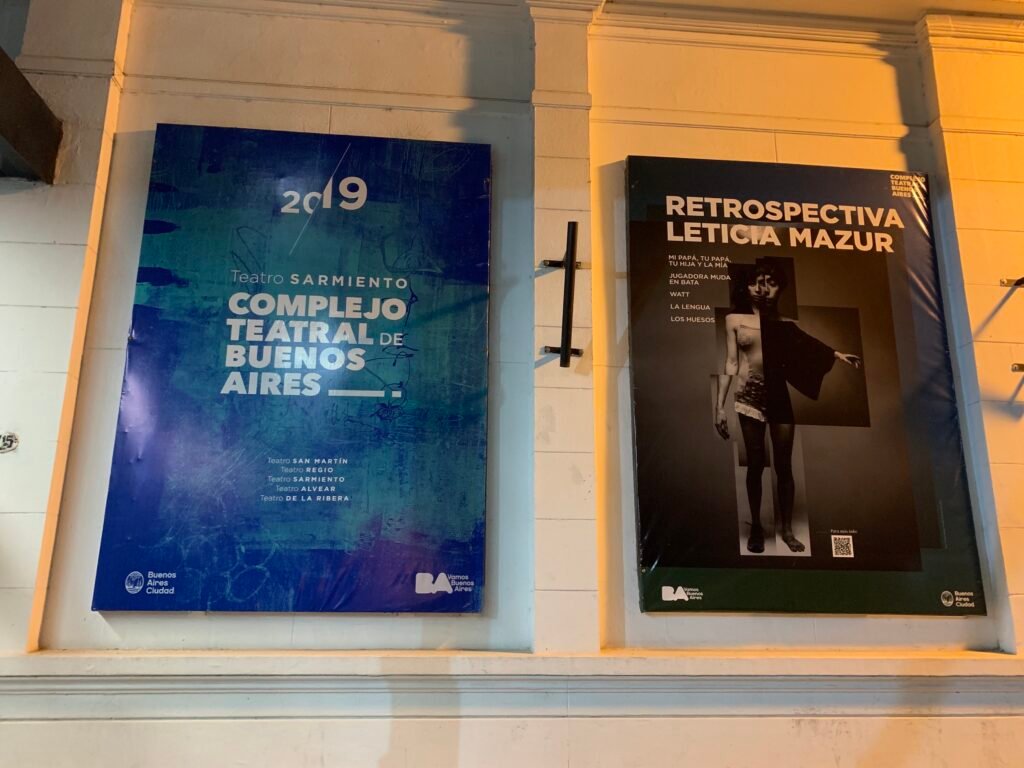
The federal-vs-city budget split explains the institutional survival. But it doesn’t fully explain why the feeling of Buenos Aires as a cultural city hasn’t changed.
I think the deeper answer is structural. Buenos Aires has no beach. No mountains. The nearest vacation spot is at least an hour by plane or five hours by bus. The city is functionally an island on a flat, endless pampa. For porteños, culture is leisure. Theater, literature, music, cinema — these aren’t luxury add-ons to city life. They’re the only game in town.
That’s been true since the 1880s, when millions of Italian and Spanish immigrants brought European cultural traditions and embedded them into the DNA of the city. A hundred and forty years of economic crises, military dictatorships, hyperinflations, and debt defaults haven’t broken that cycle. Milei’s chainsaw, dramatic as it is, is just the latest test.
Corrientes Avenue is still lit up at 3 AM on Fridays. People are still lining up for theater. The bookstores are still open at midnight. A government can cut a budget. It’s a lot harder to cut a habit that’s been running for 140 years.
What This Means If You’re Planning a Visit
If you’re worried the culture has dried up — don’t be. The city-funded institutions (Recoleta, Usina del Arte, Teatro San Martín) are running full programs. Corrientes Avenue theaters are open. The private cultural scene — milongas, indie bookstores, underground music venues — is alive and stubborn as ever.
Build a Corrientes evening into your itinerary. Pizza before the show, beer after. Drop into the Centro Cultural Recoleta on a weekday afternoon and see what’s on. That Buenos Aires is fully intact.
What’s taken the hit is the national institutional layer — federally funded film production, the national library system, the support structures that feed the next generation of Argentine filmmakers and writers. That damage is real and won’t be easily reversed. But the street-level culture of Buenos Aires, the thing that makes this city feel unlike anywhere else in South America, is still very much there.
It’s why Buenos Aires remains my number one city after living in South America for over a decade. Not the steak, not the exchange rate, not the Palermo cafés. The culture. And the culture, it turns out, is harder to kill than any president has managed so far.
Sources: INCAA and National Library layoffs reported by The Art Newspaper and ARTnews. INCAA surplus figures from Diario Democracia. CCK renaming per Infobae. Centro Cultural Recoleta 2025–2026 programming confirmed via official sources.
Related Reading
- Buenos Aires 4-Day Itinerary 2026: What an 8-Year Resident Actually Recommends
- Palermo Neighborhood Guide 2026: Where to Actually Live in Buenos Aires
- Buenos Aires Cost of Living 2026: Real Monthly Budget From 8 Years in Palermo
- Buenos Aires Pizza: A Confession From Someone Who Ate It Almost Every Day for 8 Years