
South America Residency 2026: 5 Best Countries Compared for Expats & Digital Nomads
Choosing the right country for residency in South America in 2026 is a big decision. Requirements, costs, processing times, and long-term benefits vary significantly between nations. After researching and living in the region for years, here’s the most practical and up-to-date comparison of the 5 most popular countries for foreigners: Paraguay, Argentina, Chile, Uruguay, and Brazil.
A lot of people dream about moving to South America. Fewer people actually figure out the visa situation before they go. I was one of them — when I first landed in Asunción, Paraguay over a decade ago, I barely understood how any of it worked.
After living in South America for more than 10 years — across Paraguay, Argentina, Uruguay, and Brazil — here’s what I can tell you: getting residency in South America is still far easier than in most developed countries. But the rules vary wildly from country to country, and some have changed dramatically in the last year alone.
This guide breaks down the visa and residency process in five countries — Paraguay, Argentina, Chile, Uruguay, and Brazil — with updated 2026 data, real costs, and the things nobody warns you about.
First Things First: The “Border Run” Culture
Most foreigners enter South American countries on a tourist visa — typically 90 days, no application needed. The problem starts when those 90 days are almost up and you’re not ready to leave.
That’s where the “border run” comes in. Before your 90 days expire, you hop across the border to a neighboring country — even for a few hours — and come back with a fresh stamp. In Argentina, the most popular route is taking the Buquebus ferry from Buenos Aires to Colonia del Sacramento in Uruguay. You leave in the morning, walk around the old town, and come back the same evening with a new 90-day clock.
There’s actually a nice bonus to this trip: unlike Argentina, you can withdraw US dollars from ATMs in Colonia — even in that tiny town. If you’ve ever dealt with Argentina’s dollar restrictions, you know how valuable that is.
But border runs aren’t always possible. During COVID, Argentina’s borders were shut for 11 months straight. If your tourist visa was expiring and you were counting on a quick trip to Uruguay to reset it — tough luck. The borders were closed and you were stuck. It was a genuinely stressful situation for a lot of expats.
And since Milei took office, Argentina has been cracking down on these gray-area workarounds. If you’re serious about living in South America long-term, get a proper residency visa from the start. Don’t gamble on border runs.

5-Country Visa & Residency Comparison (U.S. Passport Holders)
Note: Entry requirements vary significantly by nationality. This table reflects the situation for U.S. passport holders as of March 2026. If you hold a different passport, check your country’s specific requirements.
| Paraguay | Argentina | Chile | Uruguay | Brazil | |
|---|---|---|---|---|---|
| Tourist Entry | Visa on arrival ($160) | Visa-free 90 days | Visa-free 90 days | Visa-free 90 days | e-Visa required ($80.90) |
| Temp. Residency | ⭐ Easy | ⭐⭐ Moderate | ⭐⭐ Moderate | ⭐⭐ Moderate | ⭐⭐ Moderate |
| Permanent Residency | ⭐ Very easy | ⭐⭐⭐ Harder now | ⭐⭐ Moderate | ⭐⭐ Moderate | ⭐⭐⭐ Difficult |
| Time to PR | 2 years | 2+ years (resets if you leave) | 2 years | 6–12 months | Separate pathway needed |
| Main Cost | ~$750 | Moderate | Moderate | $10,000+ | Moderate |
| Income Requirement | No official minimum (recommended ~$1,300/mo) | Varies by visa type | Minimum wage (~$515/mo) | $1,500/mo | $1,500/mo |
| Path to Citizenship | 3 years | 2 years (after residency) | 5 years | 3–5 years | 4 years |
1. Paraguay — The Easiest and Cheapest Residency in South America
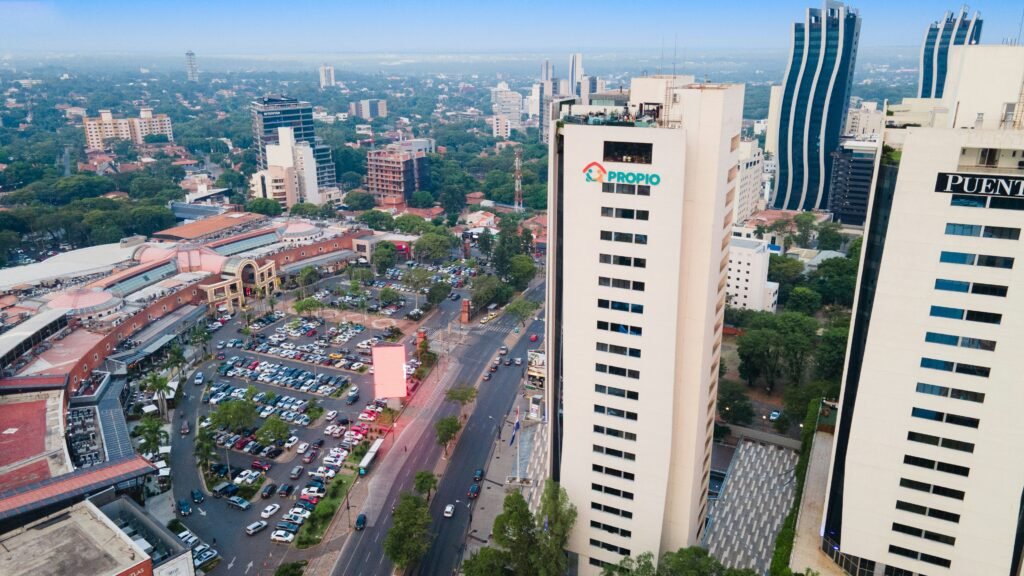
If your priority is getting residency with minimum hassle and minimum cost, Paraguay is the answer.
Temporary Residency
The government fee is about $336, plus $27 for the residency certificate. If you handle the paperwork yourself (DIY), the total comes to roughly $750. Here’s what you need:
- Valid passport
- Criminal background check from your home country
- Health certificate
- Birth certificate
- Proof of financial means (no official minimum, but ~$1,300/month income is recommended)
Processing takes 60–100 days. You get a 2-year temporary residency, and as long as you don’t leave Paraguay for more than 12 consecutive months, you can convert it to permanent residency after that.
Investment-Based Permanent Residency (SUACE Program)
If you have capital, there’s a faster track. Commit to investing $70,000 over 10 years through the SUACE program, and you can get permanent residency in just 3 months — skipping the usual 2-year wait. If you’re planning to start a business in Paraguay, this is the realistic path.
Tax Advantages
Paraguay uses a territorial tax system — foreign-sourced income is not taxed. For digital nomads, remote workers, or anyone with income outside Paraguay, this is a massive perk.
The Reality Check
Here’s what the brochure doesn’t tell you. Government offices across South America — and Paraguay is no exception — have a habit of not thoroughly checking your documents and then telling you something is missing. You show up with everything prepared, and the clerk sends you away because they want one more piece of paper that wasn’t on the original list. Then you come back, and a different clerk tells you something else. It often turns into a verbal negotiation to get things processed.
This is why you need to do your homework before you walk into any government office, and you need to be able to explain yourself in Spanish. If you can’t argue your case in the local language, you’ll get stuck.
Other things to keep in mind:
- Infrastructure outside Asunción is limited
- The skilled labor pool is shallow — hiring can be challenging
- Paraguay is bilingual (Spanish + Guaraní), which adds another layer of language complexity
- U.S. citizens need a visa on arrival ($160) just to enter as tourists
2. Argentina — The Rules Changed Completely Under Milei
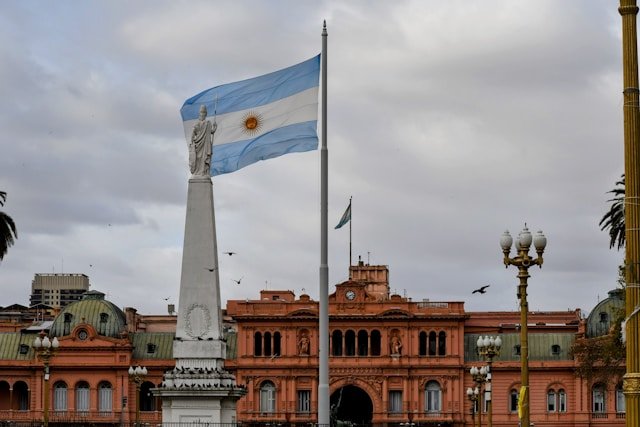
Argentina used to be one of the easier countries in South America to get residency. That changed in 2025.
What Changed (DNU 366/2025)
In May 2025, President Milei signed a major immigration reform decree. The key changes:
- Temporary residents who leave for 6+ months lose their status
- Permanent residents who leave for 1+ year lose their status
- Citizenship requires 2 continuous years of legal residency — any departure resets the clock
- Non-resident foreigners must pay for public healthcare and university education
- Aggressive crackdown on illegal immigration
Before Milei, things were loose. Paperwork was slow, deadlines were flexible, and nobody was in a rush to enforce anything. That era is over.
The Bureaucracy Paradox
Here’s something important to understand about Argentina: once you get residency, canceling or modifying it is incredibly difficult too. The bureaucracy is even heavier than Paraguay’s. I’ve seen people make multiple trips to the immigration office (DNM) just to get one thing changed, and the processing speed is painfully slow. The Milei government has moved citizenship applications to a digital platform (RaDEX), which could help — but South American bureaucratic DNA doesn’t change overnight.
The Money Route: $500,000 Investment Citizenship
Under Decree 524/2025, foreigners who invest $500,000 or more can apply for citizenship without any residency period. This is Milei’s play to attract high-net-worth investors. It’s not for everyone, but it exists.
Practical Advice
If you’re planning a long-term move to Argentina, do not rely on blog posts or YouTube videos from before 2025. The rules have fundamentally changed. Consult a current immigration lawyer (abogado de migraciones) before making any decisions.
3. Chile — The Working Visa Is Surprisingly Decent
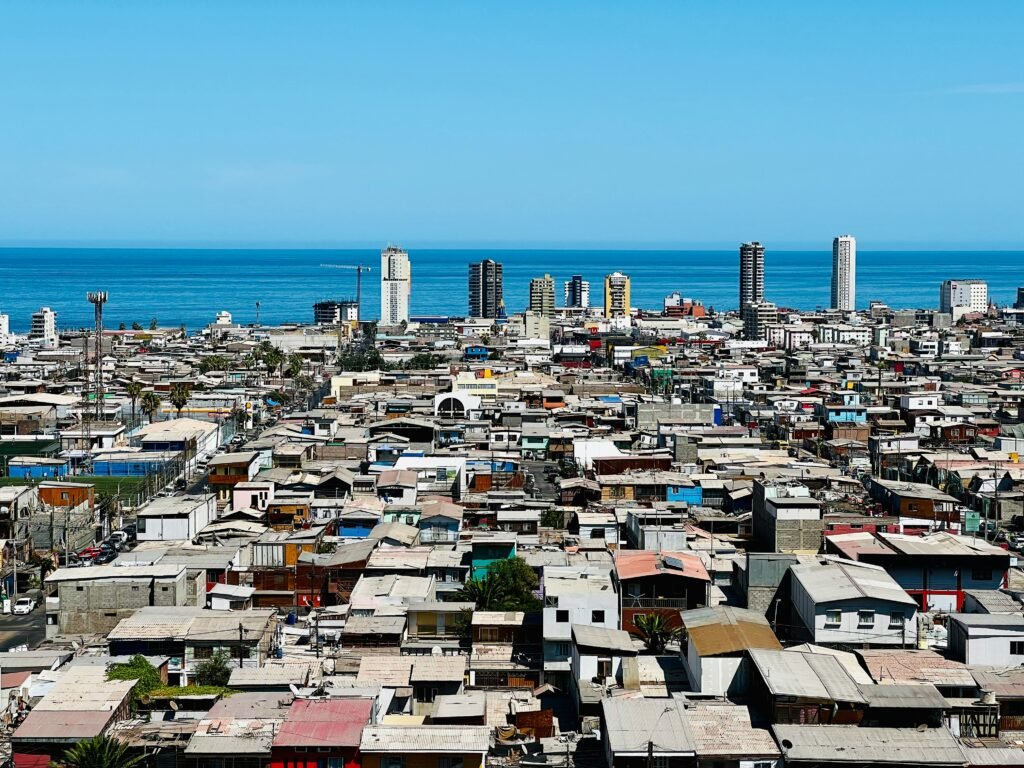
Chile has one of the most stable institutional frameworks in South America, and its visa system reflects that.
Temporary Residency Visa
- Valid for up to 2 years, renewable indefinitely
- You can change employers without losing your visa (this used to be restricted)
- Minimum salary requirement: CLP 500,000/month (~$515)
- Employment contract of 3+ months required
Permanent Residency
After 2 years of temporary residency, you can apply for PR — as long as your total time outside Chile doesn’t exceed 2 months.
The Real Upside
Someone I know worked at a Korean-owned trading company in Santiago on a working visa, and the process was surprisingly smooth. Chile has earthquake risk, which seems to keep some foreign workers away — meaning there’s potentially less competition for work visa slots compared to Argentina or Brazil.
The Catch
The biggest issue with Chile right now is processing speed. The migration system is being reorganized, and wait times of 6–8 months are common. Everything is submitted online through the Servicio Nacional de Migraciones website, and you can apply from outside Chile — but patience is required.
4. Uruguay — Expensive, But the Tax Benefits Are Compelling
Uruguay is often called the Switzerland of South America — stable, safe, and well-governed. But the visa costs reflect that premium positioning.
Rentista (Independent Means) Visa
- Prove monthly income of at least $1,500
- Visa fee: $10,000 (add $2,000 if including a spouse)
- Must be physically present at least 183 days per year
- Permanent residency can be granted within 6–12 months
Tax Holiday 2.0 — Read the Fine Print
Starting January 2026, Uruguay introduced an updated tax incentive for new residents. But it’s not the blanket exemption some blogs make it sound like:
- The investment threshold has been raised to $2 million to qualify for the full tax holiday
- If you don’t meet the investment requirement, foreign capital income is taxed at 12%
- The holiday lasts up to 10 years for qualifying individuals
So yes, the tax benefits can be significant — but only if you have serious capital to deploy. For the average digital nomad, the math may not work out after factoring in the $10,000 visa fee and the $2M investment bar.
Citizenship
3 years of residency if married, 5 years if single.
If you’re considering Uruguay, the Buquebus ferry from Buenos Aires to Colonia is a great way to test the waters first — literally. A day trip gives you a feel for the country before committing to the $10,000 visa.
5. Brazil — Great for Nomads, But Permanent Residency Is a Different Game
Brazil’s digital nomad visa has exploded in popularity — 3,800 applications processed in Q3 2025 alone, up 47% from the previous quarter.
Digital Nomad Visa (VITEM XIV)
- 1 year + 1 year renewal (max 2 years)
- Monthly income of $1,500 or savings of $18,000+
- Must be employed by or contracted with a company outside Brazil
- Health insurance required
- U.S. citizens need an e-Visa ($80.90) just to enter Brazil — this was reintroduced in April 2025
The Permanent Residency Problem
Here’s the critical detail: the digital nomad visa does NOT convert to permanent residency. If you want PR, you need a completely separate pathway — investment visa, work visa with a Brazilian employer, or family-based visa. PR holders can apply for citizenship after 4 years.
So Brazil is ideal for “I want to live here for a year or two” — but if you’re thinking long-term settlement, you need a plan B.
Safety and Language
From personal experience, Rio de Janeiro is an incredible city for tourism, but it feels noticeably less safe than Buenos Aires or Montevideo. And the language barrier is real — if you’ve been living in Spanish-speaking countries, Portuguese is familiar enough to understand bits and pieces, but handling bureaucratic paperwork is a completely different story. English won’t get you anywhere.
That said, real-time AI translation tools are advancing rapidly in 2026. The language barrier may not be the absolute dealbreaker it used to be. Keep an open mind.
The Two Things That Matter Everywhere: Language and Local Connections
After looking at five countries, two things are universally true.
1. If You Don’t Speak Spanish (or Portuguese), You’ll Get Stuck
Visa applications, immigration offices, banks, notaries — everything is in the local language. English is not an option. Government clerks across South America have a tendency to not read your documents properly, tell you something is wrong, and send you away to come back with “one more document.” The only way to resolve this is to argue your case — in their language.
2. You Need Someone You Trust on the Ground
Ideally, you’d handle everything yourself. Realistically, you’ll need help — either from a trusted local contact or a professional gestor (administrative agent) or immigration lawyer. The key word is “trusted.” Visa scams targeting foreigners exist across the continent. Always work with verified, established professionals.
The good news: real-time AI translation is improving fast. It won’t replace fluency, but it can make the process less intimidating than it was even two years ago.
So, Which Country Is the Easiest?
It depends on what you’re optimizing for:
- Fastest & Cheapest: Paraguay
- Best Balance: Chile
- Cultural Experience: Argentina
- Highest Quality of Life: Uruguay
- Business / Digital Nomad: Brazil
There’s no single “best” country — just the best fit for your situation. I hope this guide helps you make a more informed decision.
Related Reading
- Buenos Aires Cost of Living 2026: Real Monthly Budget From 8 Years in Palermo
- Palermo Neighborhood Guide 2026: Where to Actually Live in Buenos Aires
- Open Bank Account in South America as a Foreigner 2026: 5 Countries Compared
- Argentina Money Guide 2026: Exchange Rates, Cards & Cash
Visa information in this article is current as of March 2026. Immigration laws change frequently — always verify with the official immigration authority or a qualified lawyer before applying.
Disclaimer: This article is for informational purposes only and does not constitute legal or financial advice.