
Choosing between an Argentina vs Paraguay bank account in 2026 comes down to one question: how much paperwork are you willing to deal with? I’ve personally opened accounts in both countries — Santander Río in Buenos Aires and Sudameris in Asunción — and the experiences couldn’t have been more different.
Most guides just list the required documents. That misses the point entirely. The real Argentina vs Paraguay bank account question isn’t what documents you need — it’s what actually happens when you walk into the branch with those documents in hand.
Here’s my honest account of both.
Argentina vs Paraguay Bank Account: The Quick Answer (2026)
| Category | Argentina | Paraguay |
|---|---|---|
| Difficulty | Hard (patience required) | Relatively smooth |
| Key documents | Passport, DNI/Precaria, CUIL, proof of address, income proof | Cédula, RUC, proof of address, income proof |
| Residency required? | Effectively yes (Precaria works in theory, often rejected) | Yes (Cédula required) |
| Processing time | Days to weeks | 1–2 days (if documents ready) |
| Fees | High (maintenance, withdrawal, everything) | Reasonable |
| USD account | Possible but heavily regulated | Possible, relatively flexible |
| ATM withdrawal limit | Very low | Higher |
| USD from ATMs | Limited | Works — even at other banks in other cities |
| Closing difficulty | Nightmare | Relatively simple |
| Overall | System exists but drowning in bureaucracy | Growing system, foreigner-friendly |
Opening a Bank Account in Argentina as a Foreigner 2026
Opening a bank account in Argentina is possible. But “possible” and “easy” are very different words.


What You Need
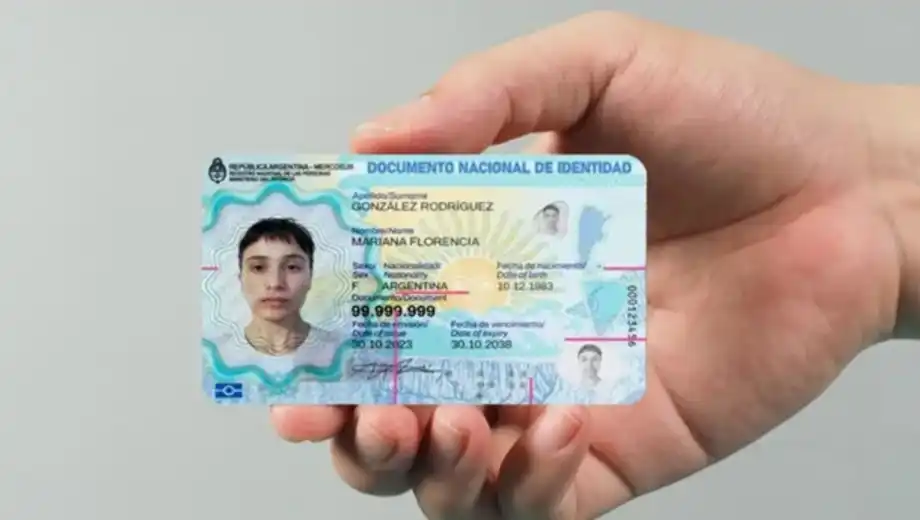
The most important document is your DNI (national ID) or Precaria (temporary residence permit). In theory, the Central Bank allows you to open an account with a Precaria alone. In practice? Bank employees regularly reject foreigners who don’t have a full DNI. Some expats report visiting five different branches before finding one willing to help.
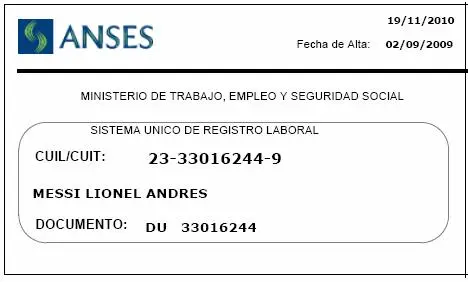
Beyond that, you’ll need your passport, a CUIL (tax identification number, obtainable at any AFIP office), proof of address (utility bill), and proof of income. International banks like HSBC and Santander may offer a smoother process if you already have an account with them elsewhere.
My Actual Experience
Honestly, opening the account wasn’t the worst part. Using it and closing it — that’s where the pain was.
The fees are relentless. Maintenance fees, card fees, transaction fees — money bleeds out of your account from every direction. The daily ATM withdrawal limit is absurdly low, so any time you need real cash, you’re standing in line at the branch. And those lines? They are long.
The ATMs themselves were often in poor condition. Broken machines, out of cash, failing to recognize bills, or straight-up eating your money without dispensing any pesos — these things happen more often than you’d expect. And you can basically forget about dollar ATMs; they don’t really exist anymore.
But the real nightmare was closing the account. I paid off every card balance, went to the bank, and asked to close everything. It took two days and roughly four hours of my life. I walked out thinking it was done. Then I flew back to Korea — and discovered the account was still open. Fees were still being charged. Resolving it remotely was another ordeal entirely.
Note: this was before President Milei took office. Regulations have loosened since, so the situation may have improved. But Argentina’s deep-rooted banking bureaucracy doesn’t change overnight.
Tips
- If you already bank with Santander, BBVA or HSBC internationally, start there — the process is more streamlined.
- If rejected with a Precaria, you can file a complaint with the Central Bank. The regulations are on your side.
- Ask about the Cuenta Única Gratuita (CUIG) — a free basic account with up to 8 ATM withdrawals per month.
- When closing: cancel ALL automatic payments first, zero out the balance, and get a written confirmation of closure. Don’t end up like me.
✅ Top 3 best-performing banks in Argentina as of April 2026 (based on Central Bank of Argentina(BCRA) official data, assets, deposits, and profits — excluding the state-owned national bank):
- Banco Galicia — 1st private bank in assets, deposits, scale and stability
- Santander Río — 2nd place, especially strong in profitability and international transactions (very foreigner- and investor-friendly)
- BBVA Argentina — 3rd place, strong in digital banking and foreign client support
(Note: In some profit-only rankings Santander Río and BBVA occasionally swap 2nd/3rd place.)
Opening a Bank Account in Paraguay as a Foreigner 2026


After Argentina, I walked into a Paraguayan bank fully braced for battle. I didn’t need to be.
What You Need
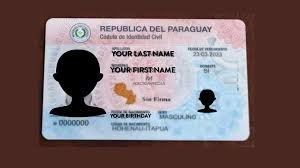
The golden key to banking in Paraguay is the Cédula de Identidad — your Paraguayan ID card, which requires legal residency. Without it, you’re not opening an account. Period.
Once you have a Cédula, you’ll also need your RUC (tax ID), proof of address, and income documentation. As of 2026, Source of Wealth verification has tightened under international anti-money-laundering regulations, so come prepared with tax returns or income certificates.
My Actual Experience
What struck me immediately was how much simpler everything was compared to Argentina. Fewer fees. Less waiting. Less bureaucratic theater.
But the moment that really stood out? Withdrawing US dollars from an ATM — not just any ATM, but one at a different bank, in a completely different city. It worked. Smoothly. In Argentina, this would have been unthinkable. In Paraguay, it was just… normal.
The overall process was faster, the staff seemed accustomed to foreign clients, and as long as your documents were in order, things moved along without drama.
Digital banking has also caught up. Apps like Ueno and Eko now let you open accounts with just your Cédula and a phone number — no branch visit required.
Tips
- Wait 24–48 hours after your Cédula is issued before going to the bank. It takes time to register in the system.
- For a USD account, you may need to prove monthly income of $2,000–2,500+. Check with your specific bank.
- A basic account won’t receive international wire transfers. You’ll need a full account for that.
- Top banks for foreigners: Itaú (largest), Banco Continental, Banco Sudameris, Banco Nacional de Fomento (state-owned, widest branch network).
✅ Top 3 best-performing banks in Paraguay as of April 2026 (based on Central Bank of Paraguay(BCP) official data, profits, and assets):
- Banco Continental — #1 in assets, deposits, and profits (clear market leader)
- Banco Itaú Paraguay — 2nd place, especially strong in profitability and stability
- Banco Sudameris — 3rd place, the most foreigner- and investor-friendly for transactions
Other South American Countries: Beyond Argentina vs Paraguay Bank Accounts
I haven’t opened accounts in these countries personally, but here’s what research and expat networks consistently report:
Uruguay — Relatively open to foreigners, some banks allow non-resident accounts. Fees are high, consistent with Uruguay’s overall cost of living. Stability is the main draw.
Chile — Requires a RUT (tax number). The system is well-organized but can be bureaucratic. Under President Kast, foreign investor access is expected to improve.
Brazil — Requires a CPF (tax number), which foreigners can obtain. But document requirements vary wildly between banks, and Portuguese fluency is practically essential.
Final Verdict: Argentina vs Paraguay Bank Account for Foreigners
Opening a bank account in South America is more than a financial transaction. It’s your first real encounter with a country’s bureaucracy, economic system, and attitude toward foreigners.
Three things matter most:
Get residency first. Almost nowhere will let you open a real account without it.
Prepare your documents perfectly. One missing paper means going home, gathering it, coming back, and waiting in line all over again.
Bring patience. Especially in Argentina.
Next up: I’ll be writing a country-by-country guide to getting residency visas in South America — the first step before you can even think about a bank account.
FAQ: Argentina vs Paraguay Bank Account
Is it easier to open a bank account in Argentina or Paraguay?
Paraguay is significantly easier. In the Argentina vs Paraguay bank account comparison, Paraguay wins on speed, paperwork, and ATM access — provided you have a Cédula. Argentina’s process is legally possible but buried in bureaucracy, and many branches reject foreigners even with valid Precaria permits.
Can a foreigner open a bank account in Argentina without residency?
Technically yes — the Central Bank (BCRA) allows it with a Precaria. In practice, most branches will refuse. I recommend getting a full DNI or using an international bank like Santander or BBVA where you already have an account elsewhere.
Can I withdraw US dollars from an ATM in Paraguay?
Yes — this is one of the biggest differences in the Argentina vs Paraguay bank account experience. In Paraguay, USD ATM withdrawals work even at other banks in other cities. In Argentina, USD ATMs effectively don’t exist anymore.
Should I use Wise or Revolut instead of a local South American bank?
For short stays under 6 months, yes — Wise and Revolut skip the residency paperwork entirely. For long-term residents, a local account is still necessary for rent contracts, utilities, and receiving local income. Argentina’s Mercado Pago and Paraguay’s Ueno also bridge the gap.
This article reflects personal experience and publicly available information as of 2026. Bank policies change frequently — always verify current requirements directly with your chosen bank.
Related Reading: