
I didn’t move to Latin America to become a political analyst. But after years of living here, one thing is clear: Latin America investment in 2026 is undergoing a fundamental shift — and the direction of capital flow is following political change more than almost anywhere else in the world.
After living in the region for years, one lesson stands out: in Latin America, capital follows politics more than almost anywhere else. For two decades, the “Pink Tide” of leftist governments brought expanded welfare, nationalizations, and tighter regulations. Many of those policies helped reduce poverty — but they also created capital controls, fiscal deficits, and regulatory uncertainty that scared away investors.
Now in 2026, the tide is clearly turning. Right-leaning or market-friendly governments are gaining ground, and smart money is following. Here’s where the capital is flowing and why.
Argentina: Milei’s Shock Therapy Delivers Results

When Javier Milei took office in late 2023, Argentina was in crisis: inflation over 211%, chronic fiscal deficits, and international markets had written the country off. Two years later, the picture has dramatically changed.
Inflation has fallen to around 30% and is projected to drop further to 14–20% by end of 2026. The government achieved its first fiscal surplus in 14 years. Poverty has dropped more than 20 percentage points, and the IMF forecasts 4.5% GDP growth for 2025 — the highest in Latin America.
Key reforms driving investor interest include the RIGI investment incentive framework, the new US-Argentina trade and investment agreement, and sweeping labor market reforms. Country risk has plummeted, and Argentina may re-enter international debt markets in 2026.
Key sectors: Vaca Muerta shale energy, lithium and copper mining, AI/data centers, agribusiness.
Chile: Kast + Copper Supercycle Creates Strong Momentum

Chile remains the world’s top copper producer and a major lithium supplier. Under conservative President José Antonio Kast, who took office in March 2026, the government is streamlining mining permits, modernizing environmental reviews, and proposing to cut the corporate tax rate from 27% to 23%.
Thirteen major copper projects worth $14.8 billion are advancing in 2026, with several expected to start production. Copper prices have surged, driven by demand from EVs, renewables, and AI infrastructure. Chile’s $83 billion critical minerals pipeline through 2033 adds long-term upside.
Key sectors: Copper, lithium, critical minerals, renewable energy, desalination.
El Salvador: Security + Crypto Creates a Unique Bet

President of El Salvador(2019-)
Once one of the most dangerous countries in the hemisphere, El Salvador under President Nayib Bukele has seen its murder rate drop by over 60%. This dramatic improvement in security is laying the foundation for economic recovery and investor interest.
Bukele continues his Bitcoin strategy (buying 1 BTC daily), but the real story is broader: improving credit ratings, IMF engagement, and growing interest from crypto entrepreneurs and tourism.
Key sectors: Tourism, coastal real estate, fintech, blockchain, infrastructure.
Costa Rica & Paraguay: The Quiet, Underrated Plays
Costa Rica offers stability, OECD membership, a skilled bilingual workforce, and strong free trade zones. Medical device exports now dominate, and the country continues to attract multinationals.
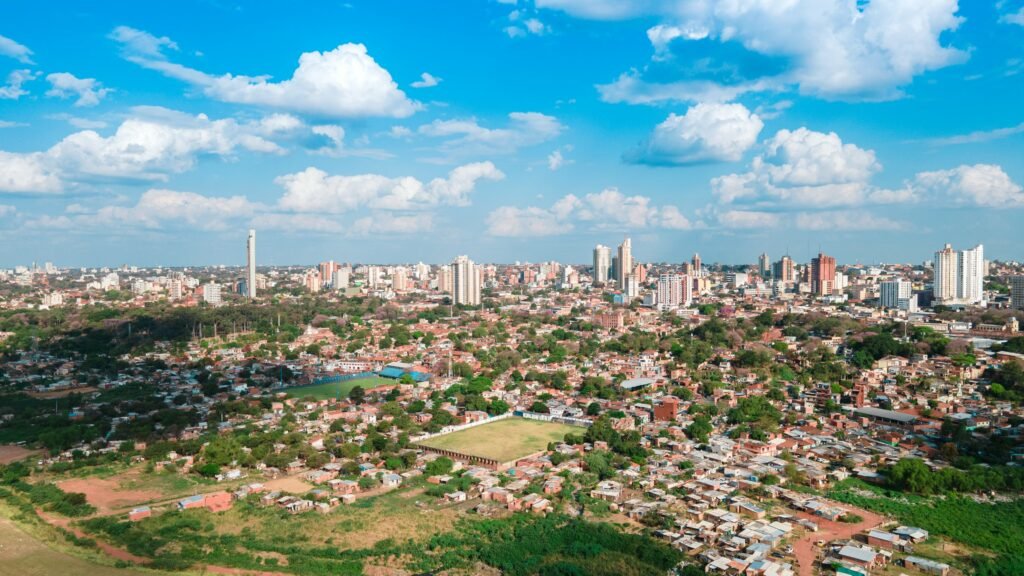
Paraguay, often overlooked, provides some of the lowest operating costs in the region, cheap hydroelectric power from Itaipú, and generous maquila incentives. Major projects like Paracel (pulp) and Atome (green hydrogen) are drawing serious FDI.
The Bigger Picture in 2026
The pattern is clear: countries moving toward market-friendly policies, legal certainty, and investor incentives are attracting capital. While risks remain — political reversals, commodity shocks, and institutional weaknesses — the direction of travel in 2026 is unmistakable.
Smart money is no longer just following growth. It is following governance.
FAQ: Latin America Investment 2026
Which Latin American country is best for investment in 2026?
Argentina and Chile offer the strongest fundamentals for Latin America investment in 2026. Argentina’s Milei reforms have dramatically reduced fiscal risk and opened key sectors like energy and mining. Chile benefits from the copper supercycle and a new market-friendly government under Kast.
Is Argentina safe to invest in after Milei’s reforms?
Risk has dropped significantly. Argentina achieved its first fiscal surplus in 14 years, inflation is falling, and the RIGI investment framework offers legal protections for foreign investors. Country risk remains above investment grade, but the trajectory is clearly positive.
What is driving capital flows to right-leaning Latin American economies?
Three factors: legal certainty (reduced risk of nationalization), fiscal discipline (lower inflation and debt), and deregulation (faster permitting, lower taxes). Countries like Argentina, Chile, and Paraguay are actively competing for FDI with investor-friendly frameworks.
Have you invested in or followed any of these countries? What opportunities or risks do you see in Latin America in 2026? Share your thoughts in the comments.
Related Reading: