
I get asked this question more than almost anything else: “How do you actually find an apartment in Buenos Aires?”
I’ve been living in Palermo Chico for eight years and moved twice during that time. Each move taught me something the previous one hadn’t, and between my own experience and watching dozens of expats go through the process around me, I have a clear picture of what works, what doesn’t, and what catches people off guard.
The Buenos Aires rental market in 2026 is meaningfully different from what it was two or three years ago. Prices are up, the contract landscape has shifted, and the process for foreigners has its own set of requirements that aren’t always obvious. This guide covers the reality — not the optimistic version.
The Buenos Aires Rental Market in 2026: What’s Changed
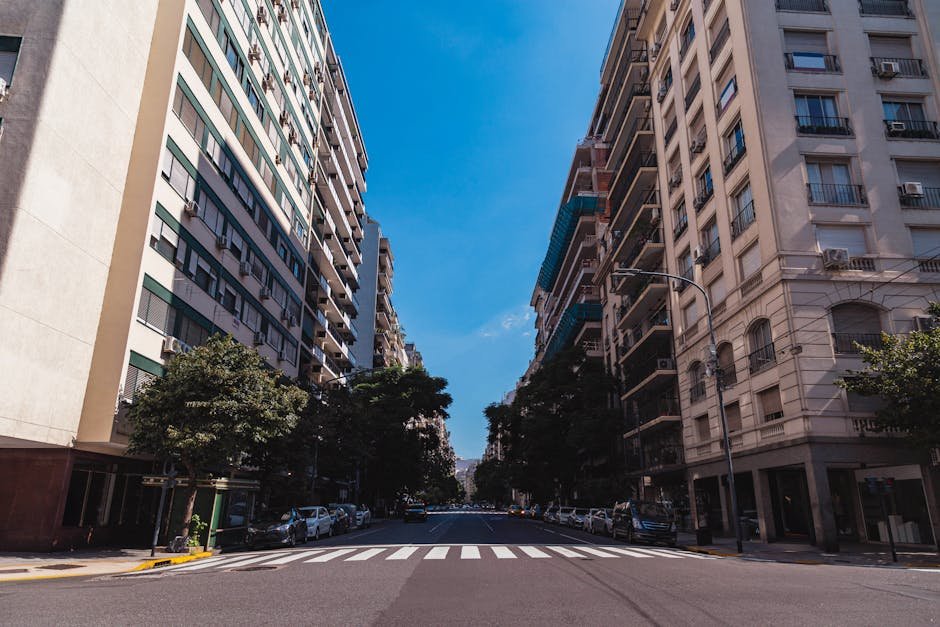
The most important thing to understand about renting an apartment in Buenos Aires in 2026: leases are denominated in dollars. This has been the standard in desirable neighborhoods for years, but it’s now essentially universal in Palermo, Recoleta, and Belgrano. Landlords learned from repeated peso devaluations and they’re not going back.
Since 2024, rental prices in premium neighborhoods have risen significantly. Palermo and Recoleta are up roughly 15–30% from 2024 levels in dollar terms. The drivers are a combination of increased expat and digital nomad demand, reduced supply as some landlords shifted to short-term platforms, and general property market dynamics under the Milei government’s economic stabilization.
Contract lengths have settled around 6 or 12 months for most furnished rental arrangements. Long-term unfurnished leases (2+ years) follow different rules and involve more complex requirements. For most expats arriving in 2026, the 6-to-12-month furnished rental is the realistic starting point.
Neighborhood Price Guide: What Renting Actually Costs in 2026
All prices below are in USD per month for furnished apartments, as of April 2026. These reflect direct rental market rates — not Airbnb pricing, which runs significantly higher.
| Neighborhood | Studio / Monoambiente | 1-Bedroom | Best For |
|---|---|---|---|
| Palermo Chico / Hollywood | $700–$950 | $1,000–$1,500 | Quiet, safe, long-term living |
| Palermo Soho | $750–$1000 | $950–$1,400 | Walkable, social, lots of restaurants |
| Recoleta | $650–$850 | $950–$1,300 | Classic, upscale, very safe |
| Belgrano / Nuñez | $500–$750 | $800–$1,200 | Quieter, family-friendly, local feel |
| Almagro / Caballito | $400–$600 | $550–$850 | Best value, genuinely local neighborhood |
| San Telmo | $350–$550 | $500–$750 | Cheap but less practical for daily life |
My honest take on the neighborhood question after eight years: the premium for Palermo Chico or Recoleta is worth it for most expats, especially in the first year. The safety differential, walkability, and quality of daily life versus cheaper options further south is real, and the monthly cost difference is less significant than it looks when you factor in transport and quality of life.
How Foreigners Actually Sign a Lease in Buenos Aires
Documents You’ll Need
Requirements vary by landlord and arrangement, but for a standard direct rental you’ll typically need:
- DNI or proof of temporary residency — a valid visa plus passport is the minimum; DNI is preferred
- CUIL (Código Único de Identificación Laboral) — your Argentine tax ID number
- Proof of income — bank statements, payslips, or documentation of foreign income (freelance income, remote salary, etc.)
- Garantía (guarantor) — an Argentine resident who co-signs the lease. If you don’t have one — and most expats don’t — expect to pay a larger deposit instead

The Garantía Problem — and the Workaround
The garantía requirement is the biggest practical obstacle for foreigners. Argentine landlords have traditionally required a local guarantor who owns property and can be held responsible if rent isn’t paid. Most newly-arrived expats don’t know anyone who fits that description.
The standard workaround in 2026 is a larger security deposit — typically 2 to 4 months’ rent — instead of a garantía. Some landlords will accept this arrangement readily, others won’t. Working through a real estate agent who deals regularly with foreign renters makes this negotiation easier because they know which landlords are flexible.
Some expats also use Aval Digital or similar guarantee services that provide a rental guarantee in exchange for a fee — worth asking your agent about.
Finding the Apartment: Where to Look
ZonaProp and Argenprop are the main local property portals — equivalent to Zillow or Rightmove. All serious listings are on one or both. Search by neighborhood, filter by furnished/unfurnished, and contact agencies directly from the listing.
Facebook groups are genuinely useful for direct landlord deals: search “Buenos Aires Expats Apartments,” “Palermo Apartments For Rent,” and similar groups. You’ll find both agency listings and private landlords here, sometimes at better rates than the portals.
Expat community referrals are the most reliable source. If you know someone who just left an apartment they loved, ask if their landlord has availability. Buenos Aires rental relationships tend to be personal — a warm referral gets you a better deal and a landlord who’s already had a good experience with foreign renters.
My Strong Recommendation: Start Short-Term
Spend your first 4–6 weeks in a furnished short-term rental or Airbnb while you look. I know it costs more per week. It is worth it. You cannot properly evaluate a neighborhood, a building, or an apartment from photos and a 20-minute viewing. You need to walk those streets at different times of day, understand the noise situation, figure out whether the commute to your coworking space is actually 10 minutes or 30, and learn which blocks feel fine at night versus which ones don’t.
The expats who skip this step and sign a 12-month lease in their first week in the city almost always regret it. The ones who take a few weeks to look properly end up in apartments they’re genuinely happy with.
The Real Total Cost: Monthly Budget Including Everything
The advertised rent is not what you’ll pay. Here’s the complete picture for a typical Palermo 1-bedroom in 2026:
| Cost | Approximate Amount | Notes |
|---|---|---|
| Rent | $1,000–$1,500/month | Palermo 1BR, furnished |
| Expensas (building fees) | $80–$200/month | Covers maintenance, portero, building services. Often NOT included in advertised rent. |
| Internet | $15–$30/month | Fibertel or Claro fiber recommended |
| Utilities (gas, electricity, water) | $30–$80/month | Varies significantly by season — gas for heating spikes in winter |
| Agent commission (one-time) | One month’s rent | Paid upfront at signing when using an agency |
| Security deposit | 1–4 months’ rent | Returned at end of lease minus deductions |
The key number to watch is the expensas. In older buildings with doormen and multiple shared services, these can run $200+/month on top of rent. Always ask for the last 3 months of expensas before signing — some landlords don’t volunteer this information upfront.
Apartment Viewing Checklist: What to Check Before You Sign
Photos lie. Listings in Buenos Aires are notorious for wide-angle shots that make small rooms look large and flattering light that hides water damage. Visit every apartment in person and check these specifically:
- Water pressure — run the shower for 30 seconds. Weak pressure in older Palermo buildings is common and miserable to live with.
- Internet infrastructure — ask what provider is available at the building address. Not every building can receive Fibertel fiber, and the difference in reliability matters if you work remotely.
- Heating system — Buenos Aires winters (June–August) are cold and damp. A gas heating system is the minimum. Electric heating only is expensive and inadequate. Check that the calefón (water heater) and radiators actually work.
- Window sealing and leaks — look at the corners of windows and ceiling corners for water stains. Older buildings have chronic leak issues that get dramatically worse in Buenos Aires’ heavy rain periods.
- Sound insulation — stand quietly for a few minutes during the viewing. Can you hear street noise? The apartment above? Palermo Soho in particular has weekend nightlife noise that can be severe depending on the building’s location and window quality.
- Nearby construction — ask the building doorman (portero) if there’s any construction nearby. Buenos Aires has had ongoing construction in Palermo and Recoleta for years; an active site next door starting at 7am changes your quality of life significantly.
- Condition of appliances — turn on everything. Test the oven, the washing machine, the air conditioning units. Note anything that isn’t working before you sign and get it in writing.
The 4 Biggest Mistakes Expats Make When Renting in Buenos Aires
1. Staying on Airbnb Too Long
Airbnb monthly rates in Buenos Aires are 2–3x what a direct rental costs for the same apartment. Some people stay on Airbnb for months because it feels easier. The monthly price difference between Airbnb and a direct rental can be $800–$1,500. Use Airbnb for your first 4–6 weeks while you look, then move to a direct rental.
2. Signing Without a Spanish Speaker Present
Argentine rental contracts contain specific clauses about expensas responsibility, maintenance obligations, early termination conditions, and adjustments that are different from what most foreigners expect. Do not sign anything without a fluent Spanish speaker — ideally someone familiar with Argentine contract norms — reviewing it first. This is not a job for Google Translate.
3. Choosing Price Over Location
The difference between a $600 studio in Almagro and a $900 studio in Palermo Hollywood is real. But so is the difference in daily life quality, walkability, and safety after dark. For your first year in Buenos Aires especially, the premium for a well-located apartment pays dividends in every other area of your life here.
4. Skipping the Physical Viewing
Booking an apartment based on photos and a video call happens — especially among remote workers who arrive with accommodation already arranged. I’ve seen this go badly more times than I’ve seen it work. Buenos Aires apartments photograph well because owners hire wide-angle lenses and good light. The building entrance, the hallway, the street at 11pm on a Saturday — none of that is in the listing. Visit before you commit.
FAQ: Renting an Apartment in Buenos Aires 2026
Can I rent an apartment in Buenos Aires without a DNI?
Yes, though it’s more difficult. Landlords who are accustomed to renting to foreigners will usually accept a valid passport, visa documentation, and CUIL instead of a DNI. A real estate agent who specializes in expat rentals is your best resource here — they know which landlords will work with foreign documents and can negotiate the garantía workaround on your behalf.
Are rents in Buenos Aires paid in dollars or pesos?
In Palermo, Recoleta, Belgrano, and most expat-friendly areas: dollars. This has become the strong standard in premium neighborhoods. Peso-denominated leases still exist in more local neighborhoods like Almagro or Caballito, but even there, many landlords prefer dollar arrangements. Budget and plan in dollars — it simplifies everything.
How long does it take to find an apartment in Buenos Aires?
Realistically, plan for 3–6 weeks of active searching from when you arrive. You’ll need time to visit neighborhoods at different hours, view multiple apartments, handle documentation, and negotiate terms. This is why starting with a short-term furnished rental is the right strategy — it buys you the time to do this properly without pressure.
What is an expensas in Buenos Aires?
Expensas are monthly building maintenance fees — they cover the portero (doorman) salary, elevator maintenance, common area cleaning, building insurance, and shared services. They’re separate from rent and often not included in the headline price. In well-maintained older buildings in Recoleta and Palermo Chico, expensas can be $150–$250/month. Always ask for recent expensas statements before signing.
Is it safe to pay a deposit directly to a landlord in Argentina?
Using a licensed real estate agency provides a layer of protection — deposits held through an agency are documented and the agency has reputational incentive to handle disputes fairly. For direct landlord arrangements found through Facebook groups or community referrals, always get a written receipt for the deposit and ensure the lease clearly specifies the return conditions. Having a local accountant or lawyer review the terms before any money changes hands is worth the small cost.
The Bottom Line
Renting an apartment in Buenos Aires as a foreigner in 2026 is doable — but it requires patience, the right documentation, and a willingness to spend the first weeks exploring properly before committing. The people who end up in great apartments consistently do two things: they start with a short-term rental instead of signing immediately, and they work with a real estate agent who has experience with foreign clients.
Eight years in Palermo Chico has given me a real appreciation for what a good apartment in a good neighborhood does for daily life here. It’s not just where you sleep — it’s your base for everything else in this city. Get it right.
Related Reading: