
Your Buenos Aires first month guide 2026 starts the moment the plane touches down at Ezeiza. Everything from that point — the airport exit, the SIM card, the housing situation, the bureaucratic maze — has a right way and a wrong way. I’ve watched dozens of expats arrive since I moved here eight years ago, and the ones who struggled almost always made the same preventable mistakes in those first 30 days. This guide covers everything I’d tell a close friend landing in Buenos Aires today.
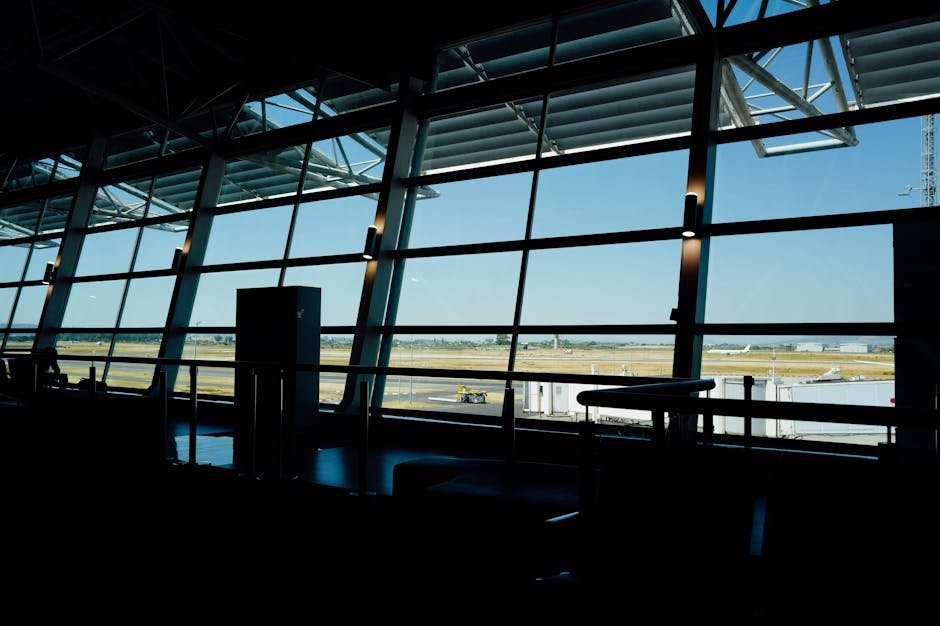
Day 1: Getting From Ezeiza Airport Into the City
This is where a lot of people go wrong immediately. Uber technically works at Ezeiza, but you’ll spend your first hour in Buenos Aires stressed, hiding from taxi marshals, and wondering if your driver is going to find you in the chaos. Don’t do it to yourself.
Use a Remis — a pre-paid private car service booked through the official counters inside the terminal. Tienda León is the most established and reliable option. Yes, it costs more than Uber. Yes, it is absolutely worth it on Day 1 when you’re exhausted, carrying everything you own, and have no idea how the city works yet. You hand over your address, pay upfront, and a driver walks you to a car. No negotiation, no confusion.
Once you’re inside the city and oriented, Uber works fine for daily life. But for the airport transfer on arrival — especially late at night — the Remis counter is the right call.
First Week Priority List: What to Do Before Anything Else
Your first week in Buenos Aires is about building the infrastructure you need for everything else. Don’t spend it sightseeing — you have months for that. Get the essentials sorted first.
- SIM card — Day 1 or 2
- SUBE card — Day 2 or 3 (for public transit)
- Start DNI/CUIL process — as early as possible, ideally Day 3–5
- Find your local supermarket — Day 1
- Confirm health insurance coverage — before you arrive if possible
- Set up internet — Day 3–5
Everything else — furniture, favorite café, gym, language school — can wait until Week 2.
Getting Your SIM Card in Buenos Aires 2026
Go to a large, official Movistar store — not a kiosk, not a street vendor, not a small phone shop. This is important. Street SIMs or unofficial sellers often can’t register the card to your passport properly, which means it stops working within a few days or can’t receive verification codes.
The process at an official store is straightforward: bring your passport, get a prepaid SIM registered to your name. Movistar has the best coverage across Palermo, Recoleta, and the areas where most expats live.
One thing to prepare for: expect to wait about 2 hours. Argentine bureaucracy is slow even at phone stores. Bring a book or download something before you go. Go early in the morning on a weekday if possible — weekend lines are worse. Once you have the SIM, top it up at any kiosk or through the Movistar app.
Housing Strategy for Your First Month
The biggest housing mistake expats make is committing too early. You don’t know which neighborhood you’ll actually like yet. You don’t know which streets feel comfortable at night, which apartment building has thin walls, or whether the “5-minute walk to Palermo” the listing advertised is actually 20 minutes through an area you’d rather avoid.
Book by the week for your first month. Yes, it’s more expensive per night than a monthly contract. It’s cheap compared to locking into a 6-month lease in the wrong apartment. Furnished short-term rentals in Palermo Chico or Recoleta are easy to find on Airbnb or through expat Facebook groups.
By the end of Week 3 or 4, you’ll have a real feel for the city. You’ll know which neighborhood you want to be in, what your commute to coworking spaces looks like, and what your actual budget is. That’s when you sign a longer lease — not on Day 3 when you’re still jet-lagged and making decisions based on listing photos.
When you do sign: make sure your lease is in writing, even if it’s informal. And either have a Spanish speaker you trust review it, or use a relocation agent for your first Argentine lease. Contracts here have specific local terms that can surprise you.
Money and Banking in Your First Month: No DNI, No Problem
Here’s the hard truth about banking in Buenos Aires: you cannot open an Argentine bank account until your DNI arrives. And getting your DNI takes weeks — sometimes months. So your first month is effectively a cash-and-card operation.
What actually works in the meantime:
- Wise or Revolut card — withdraw pesos at ATMs at a reasonable rate. Watch daily limits.
- Rapipago or Pagofacil — a cash payment network found at kiosks throughout the city. You can pay utilities, phone top-ups, and many services here in cash without a bank account. This becomes essential for your first several weeks.
- Western Union / Ria — for receiving larger transfers if needed, though this is less common now that the exchange rate has largely stabilized.
Once your DNI arrives, wait another month or so before trying to open a bank account — the system needs time to register your DNI across databases. Then look at the bank accounts designed specifically for foreigners or residents: Cuenta DNI (from Banco Provincia, free and easy) is a good starting point. Avoid trying to open accounts at major banks without guidance — the process is slow and the staff turnover means you’ll often hit dead ends.
DNI and CUIL: Start This Process Immediately
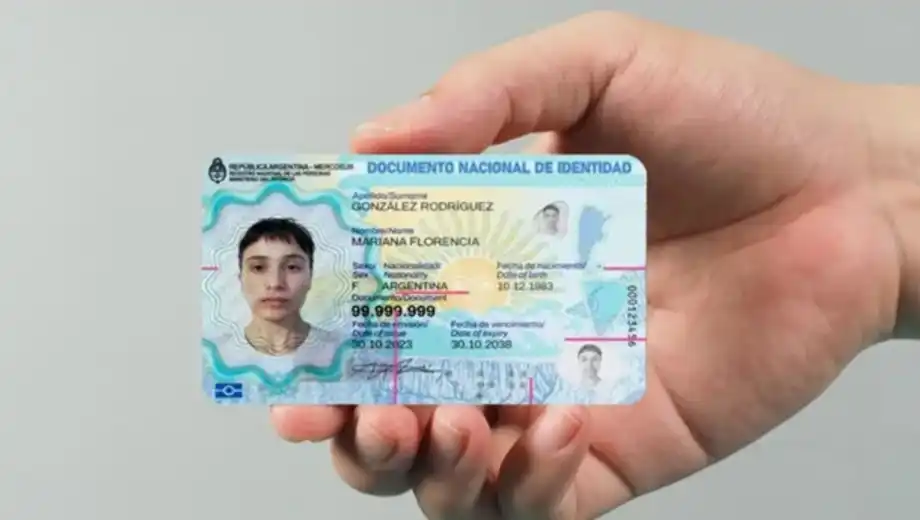
Your DNI (Argentine national identity document) and CUIL (tax identification number) unlock almost everything in Argentina: bank accounts, formal rental contracts, local phone plans, healthcare enrollment, and more. The earlier you start, the better — processing takes time and bureaucratic delays are common.
The process requires registering at a Registro Civil with your visa documentation. This sounds simple, but the paperwork requirements, the correct order of steps, and which office handles which type of visa application can be genuinely confusing — especially without fluent Spanish.
My strong recommendation: find a trusted local contact who has been through this process to guide you. In Buenos Aires, the Korean expat community (Koreatown is in Floresta) is well-established and many members have deep experience navigating Argentine bureaucracy — this kind of community resource, whatever your nationality, is invaluable for paperwork that doesn’t forgive mistakes. Ask in expat Facebook groups (Buenos Aires Expats, Buenos Aires for Nomads) for current referrals and verified tramitadores (paperwork specialists).
Don’t rush it, but don’t delay starting either. Start the DNI process in Week 1 even if you’re still figuring out the rest of your life.
Getting Your SUBE Card for Buenos Aires Public Transit
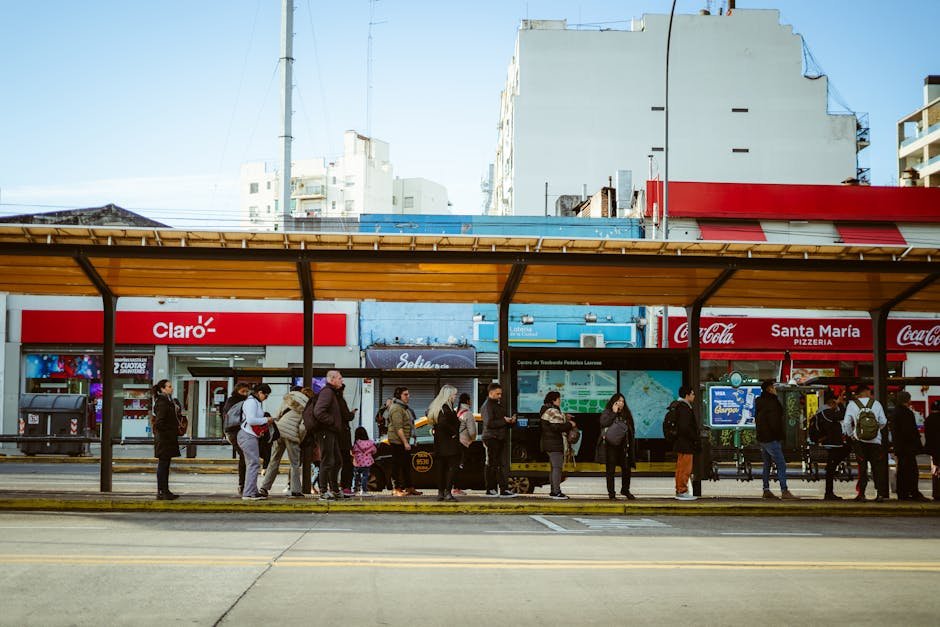
The SUBE card is how you pay for buses, subways, and trains in Buenos Aires. Without one, you can’t use public transit — there’s no cash payment option on buses anymore. Get this in your first 2–3 days.
SUBE cards are available at kiosks throughout the city, many Correo Argentino (post office) locations, and some subway stations. They cost a small amount to purchase and you load credit onto them.
You can register your SUBE card online at sube.gob.ar — registering ties the balance to your identity, which means if you lose the card, you can recover the credit. You can also recharge the card online through the same site or via the SUBE app once registered. For day-to-day top-ups, any kiosk can recharge your card in seconds.
Internet Setup: What to Use in Buenos Aires
For home internet, Fibertel is the most reliable option in Buenos Aires, particularly in Palermo, Recoleta, and Belgrano. Fiber connections through Fibertel are stable and handle video calls and large uploads without the issues I’ve seen with cheaper providers.
Setup requires your address and takes a few days for installation. In furnished apartments, internet is often included — verify this before signing anything, and ask which provider. If it’s not Fibertel or Claro Fibra, ask the landlord whether it handles the load for video calls.
For your first week before home internet is set up, use your Movistar SIM’s data or work from one of the many cafés with reliable WiFi throughout Palermo — most cafés in this area maintain decent speeds and don’t mind you staying for a few hours with a coffee.
Healthcare in Buenos Aires: First Month Setup
If you’re arriving with international health insurance (which you should be), the first step is contacting your insurance representative to confirm coverage in Argentina. The good news: you can handle most of this remotely, via email or WhatsApp. You don’t need to be in-person at an office for the initial setup.
Ask your insurer specifically: which clinics and hospitals in Buenos Aires are on their network? Which ones in Palermo and Recoleta specifically? Save these contact details before you need them — not the moment you have a health issue.
For Argentine residents eventually enrolling in local health coverage (obra social), that comes later — it’s tied to formal employment or residence status and isn’t something to worry about in Month 1. Until then, your international insurance plus cash-payment private clinics (which are affordable by international standards) covers most situations.
Groceries and Daily Life in Buenos Aires
One of the quieter but genuinely important tasks in your first week: find your best local supermarket. Quality varies significantly between supermarket chains and even between branches of the same chain. A Coto that’s excellent in Palermo Chico might be mediocre three neighborhoods over.
Walk to two or three supermarkets near your apartment and actually look at the produce, the meat counter, the imported goods section. The one that feels freshest and best-stocked is the one worth making your regular. This sounds trivial until you realize you’ll be there four times a week.
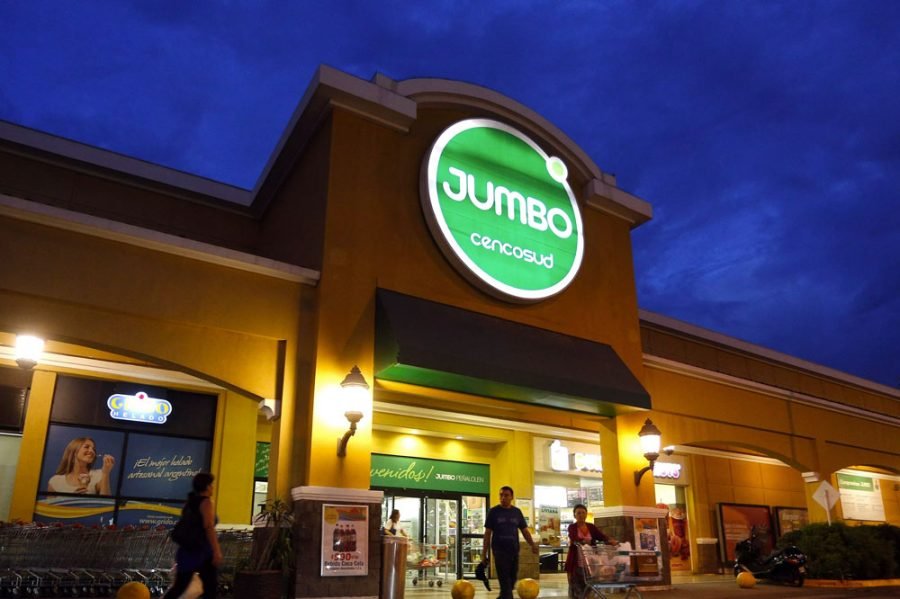
Main chains in the better neighborhoods: Disco (generally high quality), Coto (reliable and widespread), Jumbo (larger selection, worth the trip for bulk shopping). There are also local neighborhood almacenes (small grocery stores) for daily staples — build a relationship with the one nearest to you.
The 5 Biggest First-Month Mistakes in Buenos Aires 2026
After eight years of watching expats arrive, these are the mistakes that cost people the most — in money, stress, or safety.
1. Committing to Long-Term Airbnb Pricing
Airbnb monthly rates in Buenos Aires are dramatically overpriced compared to local rental market rates. Staying on Airbnb for months because it’s “easier” costs you two to three times what a direct rental would. Use Airbnb for your first 2–4 weeks while you get oriented, then transition to a direct rental through local networks or expat groups.
2. Signing a Lease Without Spanish Support
Argentine rental contracts have specific clauses around expenses (expensas), utility responsibility, and termination conditions that are different from what you may be used to. Signing one without having a fluent Spanish speaker review it is a real risk. This is not a translation job for Google — you need someone who understands Argentine contract norms specifically.
3. Choosing a Cheap Apartment Far From Palermo to Save Money
The rent difference between Palermo Chico and cheaper neighborhoods further south can look appealing on paper. In practice, it often means longer commutes, less walkable streets, and neighborhoods where the safety math changes significantly after dark. For your first year especially, the premium for living in a safer, well-connected area is worth it.
4. Ignoring the Basic Safety Rules
Walking while looking at your phone. Wearing your AirPods on both ears at night. Keeping your backpack on your back on the subway during rush hour. Pulling out your phone to check Google Maps while standing on a corner in Soho at midnight. These aren’t hypothetical risks — they’re how the most common incidents here happen. Learn the rules in Week 1 and internalize them.
5. Dressing Too Flashy or Visibly Expensive
Expensive watches, designer bags, flashy jewelry on the street — these make you a target, full stop. Buenos Aires is a fashion-conscious city and you’ll see stylish people everywhere, but there’s a difference between well-dressed and visibly wealthy. Save the statement pieces for restaurants. On the street, the less attention you attract, the better.
Buenos Aires First Month Timeline: Week by Week
| Week | Priority Tasks |
|---|---|
| Week 1 | Arrive via Remis. Get SIM (Movistar, official store). Get SUBE card. Confirm health insurance. Find local supermarket. Start DNI/CUIL process. |
| Week 2 | Set up home internet (Fibertel). Explore potential neighborhoods. Begin apartment hunting for longer-term rental. Open Rapipago account for cash payments. |
| Week 3 | Decide on neighborhood. Sign medium-term rental (1–3 months). Register SUBE card online. Follow up on DNI status. |
| Week 4 | Establish daily routine. Find coworking spaces if needed. Connect with local expat community. Enroll in Spanish classes if desired. |
FAQ: Buenos Aires First Month Guide 2026
How much money do I need for my first month in Buenos Aires?
Budget USD 2,000–3,000 for a comfortable first month in Palermo or Recoleta, covering short-term furnished housing, food, transport, SIM card, and setup costs. If you’re already paying for health insurance separately, that’s additional. The first month always costs more than ongoing monthly life because of setup expenses — don’t use it to estimate your regular monthly budget.
Can I use Uber at Ezeiza Airport?
Technically yes, but it’s not recommended for your arrival. Uber operates in a legal gray area at Ezeiza and drivers can’t enter the pickup zones officially, leading to stressful meet-up situations. Use Tienda León or another official Remis counter inside the terminal for your arrival transfer. Once you’re settled in the city, Uber works fine for daily use.
How long does it take to get a DNI in Argentina?
Typically 2–4 months from the time you submit your application, sometimes longer depending on visa category and current processing volumes. This is why starting immediately matters — your bank account, formal lease, and many local services are gated behind it. Don’t assume it will come quickly and plan your first months accordingly.
Do I need to speak Spanish to survive the first month?
You can get through the first month with English plus Google Translate, especially in Palermo and Recoleta where there is enough English-language infrastructure. But you will hit friction points — particularly at government offices, medical appointments, and any formal process. Having even basic Spanish (A2 level) significantly reduces stress. Consider starting lessons before you arrive, even just a few weeks of basics.
Is it safe to arrive at Ezeiza late at night?
Yes, if you use a Remis booked through an official counter. The airport itself is safe. The risk is in unvetted transport — unofficial taxis, riding with strangers, or navigating the city alone late at night without knowing the area. Pre-book your accommodation, use Tienda León, and go directly to your apartment. Save the exploration for daylight hours.
How do I pay bills and utilities without a bank account?
Rapipago is your best friend in the first few months. It’s a payment network found at kiosks throughout the city where you can pay utility bills, phone top-ups, internet, and many other services in cash. No bank account required. Look for the red-and-yellow Rapipago sign at kiosks near you — there’s almost certainly one within a few blocks of wherever you’re staying in Palermo or Recoleta.
This guide reflects 8 years of personal experience living in Palermo Chico, Buenos Aires. Costs, processing times, and services change — always verify current details before your arrival.
Related Reading:
[…] you’re new here, start with the Buenos Aires first month survival guide and money in Argentina — exchange rates, cards and cash. If you’re planning to move around […]