
Getting around Buenos Aires in 2026 is easier than most first-time visitors expect — but only once you understand the system. I still remember arriving in Palermo eight years ago, completely confused about what a “Bondi” was, why no one was paying cash on the bus, and whether Uber was actually legal here. Eight years of daily commutes, late-night rides, and figure-it-out moments later, here’s the honest guide I wish I’d had on Day 1.
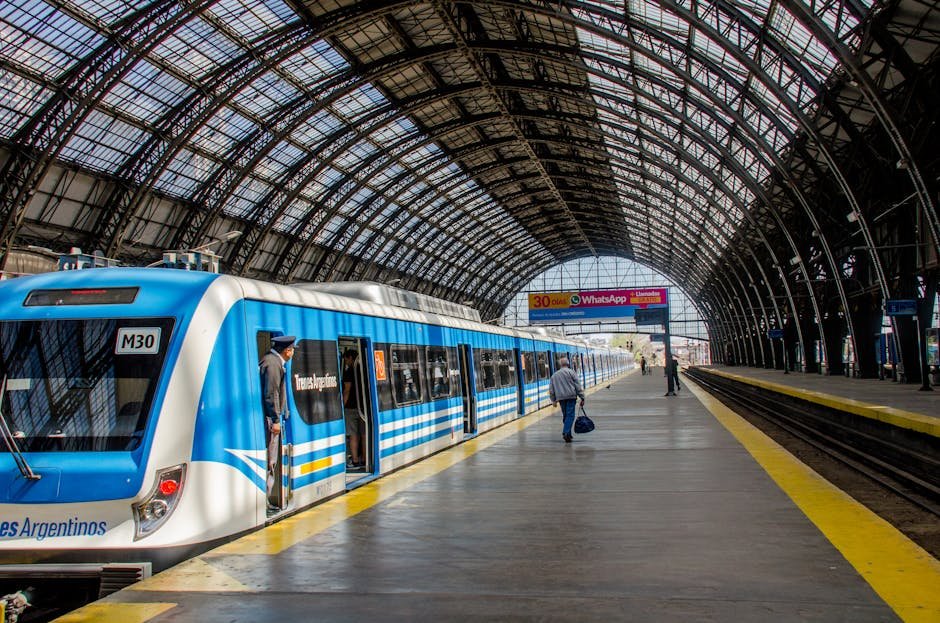
1. SUBE Card: Get This Before Anything Else
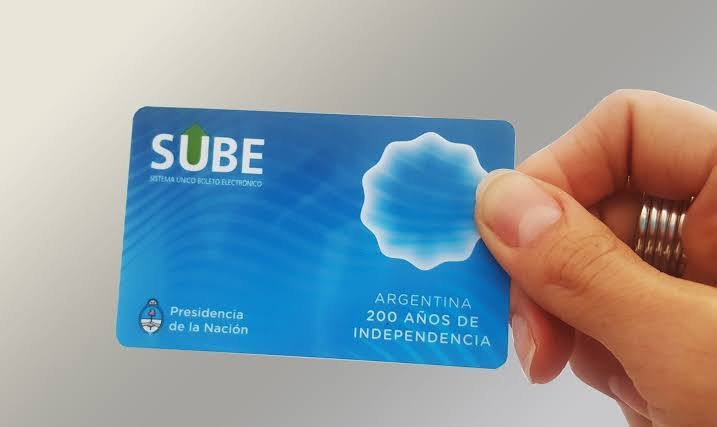
The SUBE card is Argentina’s transit card — you need it for buses, the subway, and most suburban trains. Without one, you simply can’t board most public transport in Buenos Aires. This is your first priority after arriving.
Where to Get Your SUBE Card
- Airport (Ezeiza) — available on arrival
- Major subway stations throughout the city
- Kiosks (kioskos) around the city — look for the SUBE logo
- Rapipago and Pago Fácil payment locations
The card itself costs around $3–4 USD. You only need your passport to purchase one — no Argentine ID required. Pick one up at the airport before you even get into the city.
How to Top Up Your SUBE Card
- SUBE app (sube.gob.ar) — the easiest method once you’re registered. Top up with a card and the balance loads automatically when you next tap the card on a reader.
- Subway station machines — fast and reliable
- Kiosks and Rapipago locations — everywhere, instant reload
Register your SUBE card online at sube.gob.ar. Registration ties the balance to your identity — if you lose the card, you can recover the credit. It takes 5 minutes and is absolutely worth doing.
2. The Bus (Colectivo / Bondi): Cheapest Way to Get Around
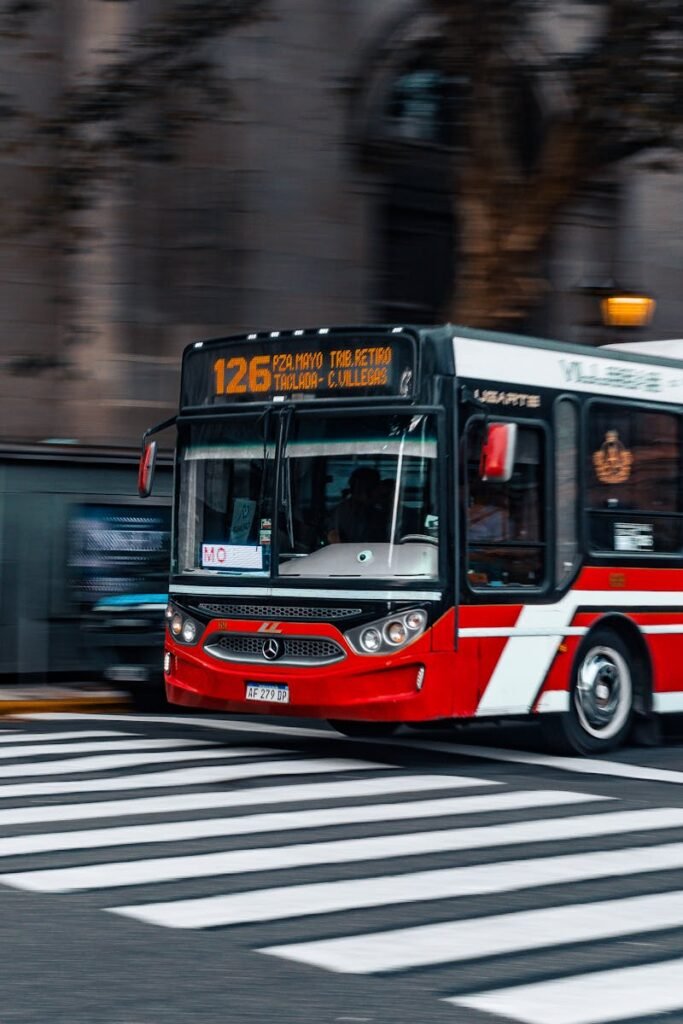
Buenos Aires has one of the most extensive urban bus networks in South America. Locally the bus is called “colectivo” in formal Spanish, but on the street you’ll hear “Bondi” constantly — this is the porteño slang term, borrowed from the old tram system. When someone says “tomá el Bondi,” they mean take the bus.
How Buses Work in Buenos Aires
- SUBE card only — cash is almost universally not accepted on Buenos Aires buses anymore. No SUBE, no ride.
- Google Maps and Moovit both work well for route planning and real-time arrival info. Moovit tends to be slightly more accurate for Buenos Aires specifically.
- To signal your stop: press the button on the pole or say “¡Bajando!” (“Getting off!”) loudly enough for the driver to hear. In Palermo, most drivers know what’s coming but it still helps.
- After 10pm: buses still run but the network thins out. For late-night travel, Uber or Cabify is safer and more reliable than waiting at a bus stop.
A single bus fare costs around $0.30–$0.50 USD with SUBE. For daily commuting in Palermo, the bus is by far the cheapest option — monthly spending on buses alone can be as low as $15–$25.
3. Uber vs Cabify in Buenos Aires 2026: The Real Difference
Both Uber and Cabify operate in Buenos Aires in 2026, and both work well for day-to-day use. After eight years of using both regularly, here’s how I actually think about the choice:
Uber Buenos Aires
- Lower prices — consistently cheaper than Cabify for equivalent trips
- More drivers — shorter wait times, especially in Palermo and Recoleta
- Works well late at night — driver availability holds up after midnight
- Operates in a gray area legally — technically unregulated in Buenos Aires, which occasionally means drivers ask you to sit in front to avoid issues with transit police. This is a minor inconvenience, not a real problem.
Cabify Buenos Aires
- 10–25% more expensive than Uber on average
- Better vehicle quality and driver standards — Cabify’s vetting process is stricter
- Fully licensed and regulated — operates legally in Buenos Aires with no workarounds required
- Higher safety rating among expats — particularly for solo women travelers and late-night rides
My Actual Pattern After 8 Years
| Situation | My Choice | Why |
|---|---|---|
| Daytime, short trip | Uber | Cheaper, faster pickup |
| After 10pm | Cabify | Better safety, more consistent drivers |
| Solo woman traveling | Cabify | Licensed, higher driver standards |
| Important appointment | Cabify | More reliable, better vehicle condition |
| Airport transfer on arrival | Tienda León Remis | Neither app — official counter at the airport is safest on Day 1 |
4. The Subway (Subte): Best for Cross-City Trips
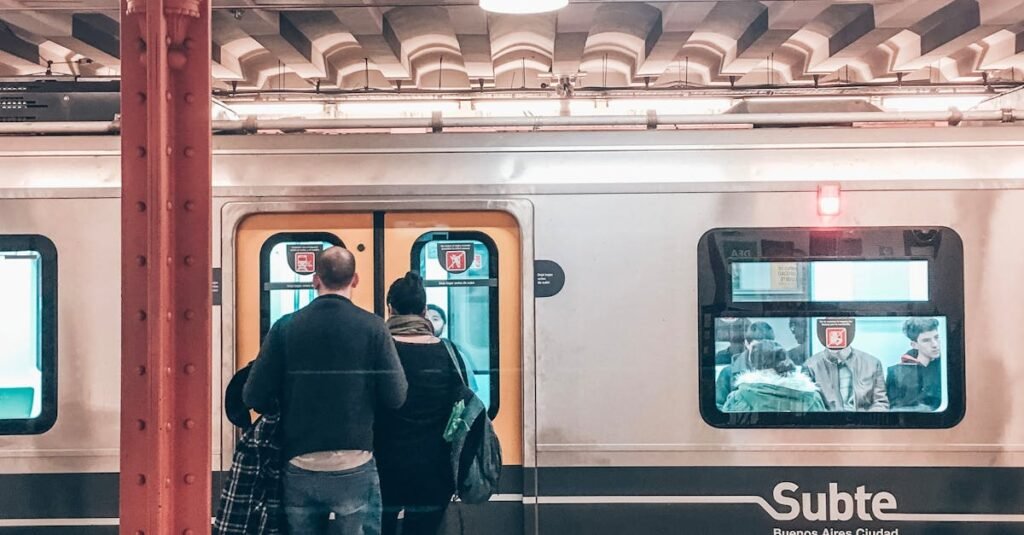
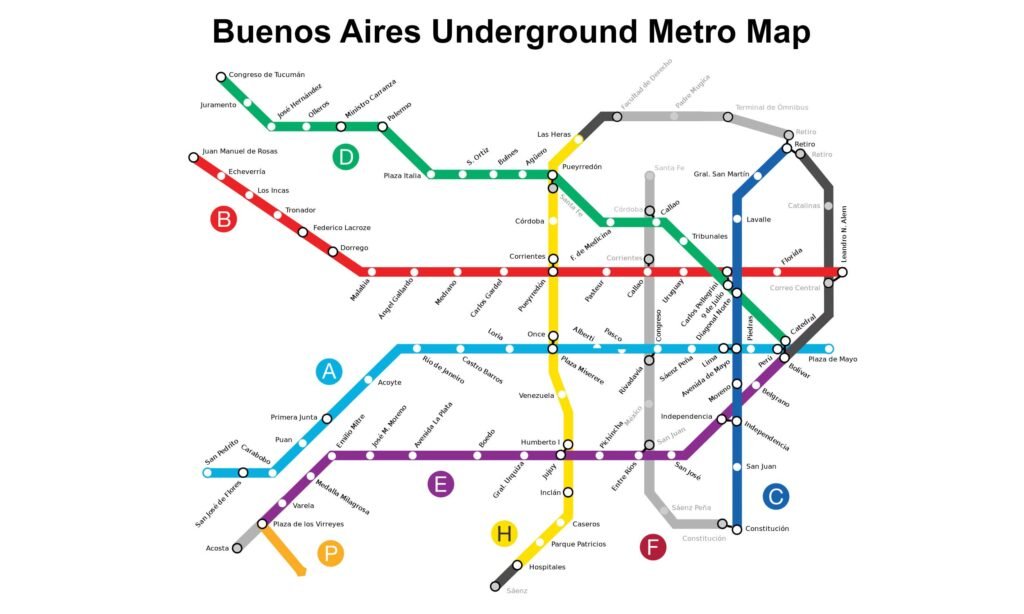
Buenos Aires has six subway lines (A, B, C, D, E, and H) covering the most central and densely populated corridors. As of April 2026, all six lines are operational. Here’s a complete breakdown of each line and what it’s useful for:
All 6 Subte Lines at a Glance
| Line | Color | Route | Why It Matters |
|---|---|---|---|
| A | Light Blue | Plaza de Mayo ↔ San Pedrito | Historic line, Congreso, Once neighborhood |
| B | Red | Leandro N. Alem ↔ Juan Manuel de Rosas | Corrientes Avenue, Abasto market area |
| C | Dark Blue | Retiro ↔ Constitución | Retiro train station, Microcentro connection |
| D | Green | Catedral ↔ Congreso de Tucumán | ⭐ Most important for expats — Palermo, Recoleta, Microcentro |
| E | Purple | Bolívar ↔ Plaza de los Virreyes | San Telmo, Constitución area |
| H | Yellow | Once ↔ Hospitales | Once neighborhood, hospital district |
Line D (Green) — The Expat Essential
If you live in Palermo, Line D is the one you’ll use constantly. It connects Palermo directly to Recoleta and the Microcentro in a single straight line — no transfers needed for the most common journeys expats make.
- Plaza Italia — entrance to Palermo Soho and Palermo Chico, Botánico garden
- Scalabrini Ortiz — heart of Palermo Soho
- Bulnes — Palermo Hollywood
- Agüero — entry point to Recoleta
- Facultad de Medicina — close to Recoleta Cemetery
- 9 de Julio — the Obelisco, Avenida 9 de Julio
- Catedral — Microcentro, Plaza de Mayo
Other Lines: Key Stops Worth Knowing
- Line B (Red): Carlos Pellegrini → Obelisco; Florida → Florida Street pedestrian shopping zone; Callao → Congreso area
- Line C (Dark Blue): Retiro → Retiro train station and bus terminal (essential if traveling out of the city); Constitución → southern train connections
- Line A (Light Blue): Plaza de Mayo → Casa Rosada and the historic plaza; Congreso → Argentine Congress building
- Lines E and H: San Telmo, Once, and the hospital district — less relevant for Palermo-based expats but useful for specific destinations
Subte Practical Notes
- Payment: SUBE card only — no cash accepted
- Hours: roughly 5:30am–10:30pm on weekdays, shorter on weekends
- Peak hours: 8:00–10:00am and 5:00–8:00pm are extremely crowded. Avoid if you have flexibility.
- Apps: use Google Maps and Moovit together — Moovit tends to be more accurate for real-time Buenos Aires transit
- Air conditioning: most lines have it on newer trains; Line A runs older stock without AC
- Safety: keep your phone in your pocket and bag in front during rush hour
For Palermo-based expats, the Subte is most useful for getting to the Microcentro and Recoleta. For short trips within Palermo itself, walking or taking a bus is usually faster.
5. Monthly Transport Budget in Buenos Aires 2026
Here’s what getting around Buenos Aires actually costs per month, based on living in Palermo:
| Transport Style | Monthly Cost (USD) | When It Makes Sense |
|---|---|---|
| SUBE only (buses + Subte) | $25–$45 | Budget-first, comfortable with public transit |
| Uber-only | $80–$120 | Convenience and comfort are the priority |
| Cabify-only | $100–$150 | Safety and service quality are the priority |
| SUBE + Uber/Cabify mix | $60–$95 | Most realistic combination — what I actually use |
The mixed approach — SUBE for daytime and short trips, Uber or Cabify for evenings and longer journeys — is by far the most practical and cost-effective way to handle transport in Buenos Aires. Relying entirely on apps is expensive; relying entirely on public transit after dark is unnecessarily inconvenient.
Quick Reference: Buenos Aires Transport at a Glance
| Option | Cost per Trip | Best For | Requires |
|---|---|---|---|
| Bus (Bondi/Colectivo) | $0.30–$0.50 | Short daytime trips, daily commute | SUBE card |
| Subway (Subte) | $0.30–$0.50 | Cross-city trips, Palermo to Centro | SUBE card |
| Uber | $3–$10 | Convenience, late night, rain | App + payment card |
| Cabify | $4–$14 | Safety priority, important trips | App + payment card |
| Remis (Tienda León) | $35–$50 | Airport only | Cash or card at counter |
FAQ: Getting Around Buenos Aires 2026
Is Uber safe in Buenos Aires?
Generally yes. Uber operates throughout Buenos Aires and works reliably for the vast majority of trips. The main caveat is that it’s not officially regulated, so some drivers ask you to sit in the front seat to avoid issues with transit authorities — this is a minor inconvenience rather than a safety issue. For a higher comfort level with full licensing and regulation, use Cabify. For late-night rides or solo travel, Cabify is the stronger choice.
Can I pay cash on Buenos Aires buses?
Rarely, and in most cases no. Buenos Aires buses operate almost entirely on SUBE cards. Some very old routes or specific circumstances may still accept cash, but you should not count on it. Get a SUBE card before you try to take a bus — without one, you simply won’t be able to board most routes.
What is a Bondi in Argentina?
Bondi is Argentine slang for bus, specifically the city bus (colectivo). The word comes from the old electric tram system that used to run through Buenos Aires — “Bondi” was borrowed from Brazilian Portuguese slang for tram and stuck in local usage long after the trams were gone. When a porteño says “tomá el Bondi,” they mean take the bus.
Which subway line is most useful for Palermo?
Line D is the essential one for Palermo residents. It runs from Palermo (Scalabrini Ortiz and Bulnes stations) through Recoleta and down to Plaza Italia, Facultad de Medicina, and Tribunales, connecting to the Microcentro. For most trips from Palermo into the city center, Line D is the fastest and most direct option on the Subte network.
How do I get from Ezeiza Airport to Palermo?
For your first arrival, use the Tienda León Remis counter inside the terminal. It’s a pre-paid official car service — you give your address, pay at the counter, and a driver takes you directly. Expect to pay $35–$50 USD. Don’t use unmarked taxis outside the terminal. Once you’re settled in the city, Uber works for most daily transport, but the airport arrival is the one situation where the official Remis is the right call.
The Bottom Line
Getting around Buenos Aires in 2026 is genuinely manageable once you have the basics in place. Get your SUBE card on Day 1, download Moovit for bus routes, set up both Uber and Cabify, and default to the mixed approach — public transit during the day, apps in the evening. Eight years in Palermo and this is still exactly what I do.
The city is large but well-connected. Once you know the D line on the Subte and the main bus corridors through Palermo, you’ll rarely feel stuck.
Related Reading:
[…] Getting Around Buenos Aires 2026 — SUBE, Uber & Subte Guide […]