
Opening a bank account in South America as a foreigner remains one of the biggest challenges in 2026…
Opening a bank account is often the hardest part of moving to South America as a foreigner — harder than learning Spanish or dealing with bureaucracy.
I’ve personally opened accounts in both Argentina (Santander Río) and Paraguay (Sudameris). The experiences were completely different. Argentina was frustrating despite having full legal documents, while Paraguay was surprisingly straightforward once I had the right paperwork.
This guide compares the real process in Argentina and Paraguay in 2026, based on actual experience. I’ll also briefly cover Chile, Uruguay, and Brazil, and explain why fintech and crypto are booming in the region.
Argentina vs Paraguay vs Chile vs Uruguay vs Brazil: Bank Account Comparison 2026
| Argentina | Paraguay | Chile | Uruguay | Brazil | |
|---|---|---|---|---|---|
| Can foreigners open accounts? | Yes, but difficult | Yes, with cédula | Yes, with RUT | Yes, with residency | Yes, with CPF |
| Key requirement | DNI or precaria + CUIL | Cédula (Paraguayan ID) | RUT (tax ID) | Residency card | CPF (tax ID) |
| Can you open without residency? | Technically yes, practically very hard | No — cédula required | Limited options | Very difficult | Possible with CPF |
| USD accounts available? | Yes (restricted) | Yes | Yes | Yes | Limited |
| Ease of process (1–5) | ★★☆☆☆ | ★★★☆☆ | ★★★☆☆ | ★★★☆☆ | ★★☆☆☆ |
| Digital/fintech alternatives | Mercado Pago, Ualá | Ueno, Eko | MACH, Tenpo | Prex | Nubank, PicPay |
Argentina — Legal ID Wasn’t Enough
I opened my account at Santander Río in Buenos Aires. Even with full legal residency and proper identification, the process was frustrating and inconsistent.
Argentine banks are known for giving foreigners a hard time. Although the Central Bank (BCRA) requires banks to open accounts for foreigners with valid documents, individual branches often refuse or demand extra paperwork. It’s common to visit multiple branches before one agrees.
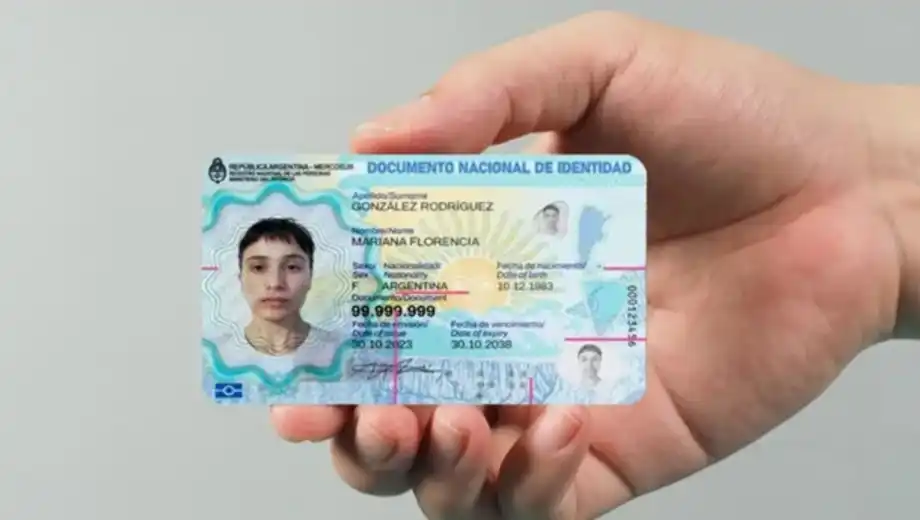
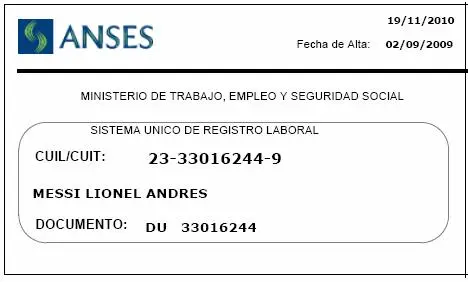
What you need in 2026: Passport or DNI, CUIL or CUIT (tax ID), proof of address, and proof of income. If you only have a precaria (temporary residency), many banks will still push back. Public banks like Banco de la Nación are required to offer a basic “cuenta para migrantes,” but persistence is often needed.
Maintenance fees can add up quickly, especially with peso accounts losing value to inflation. Dollar accounts face even stricter scrutiny.
Workaround: Many expats rely on Mercado Pago or Ualá for daily transactions. Since April 2025, most currency controls have been lifted, making it easier to use foreign cards at the MEP rate — but a traditional bank account is still essential for large transfers or long-term residency.
Paraguay — Surprisingly Smooth Once You Have a Cédula
I opened my account at Sudameris in Asunción. Compared to Argentina, the process felt noticeably smoother and more professional.
What you need in 2026: A Paraguayan cédula is mandatory — you cannot open an account as a tourist with just a passport. You’ll also need a Certificado de Vida y Residencia (from the police), proof of income, and RUC (tax ID).
Basic accounts are limited for international transfers. To unlock full wire capabilities, you usually need 6–8 months of local financial activity (tax filings). Cash USD deposits often incur a 2–4% compliance fee.
Sudameris and Itaú are popular among foreign residents. Fintech options like Ueno and Eko now allow digital accounts with just a cédula and phone number.
Chile — Straightforward If You Have a RUT
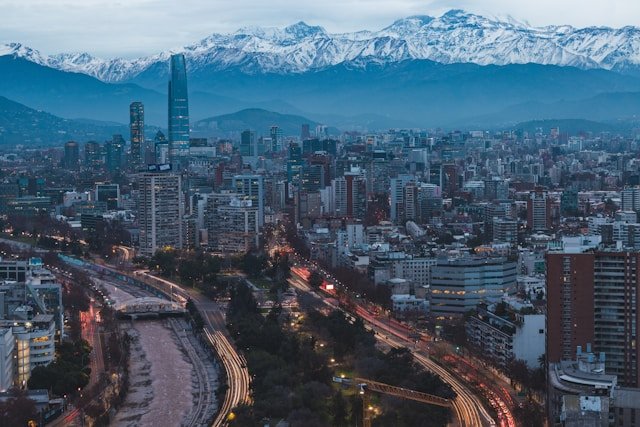
Chile’s banking system is more structured and predictable than most in the region. The key requirement is the RUT (Rol Único Tributario) — your Chilean tax identification number. With a RUT and proof of address, major banks (Banco de Chile, Santander Chile, BCI) usually open an account without major issues.


Under the new Kast administration (since March 2026), the regulatory environment is becoming more business-friendly, especially for expats in mining, tech, and finance. Chile currently offers one of the most “Western-feeling” banking experiences in South America.
Digital alternatives: MACH (by BCI) and Tenpo provide easy-to-set-up prepaid and digital accounts, which are useful while you complete traditional banking procedures.
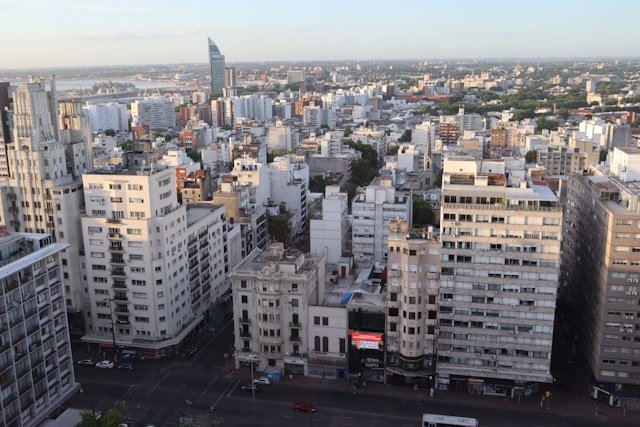
Uruguay — Stable but Expensive
Uruguay’s banking system is well-organized, reliable, and relatively expensive. Opening an account generally requires residency, and the process tends to be more bureaucratic than in neighboring countries.
Major banks such as BROU, Santander, and Itaú serve foreign residents well, but they often charge higher fees and require higher minimum balances. Dollar accounts are widely available due to Uruguay’s long tradition of dual-currency banking.
Digital alternatives: Prex is the most popular digital wallet and works well for daily payments without needing a full bank account.
Brazil — A World of Its Own
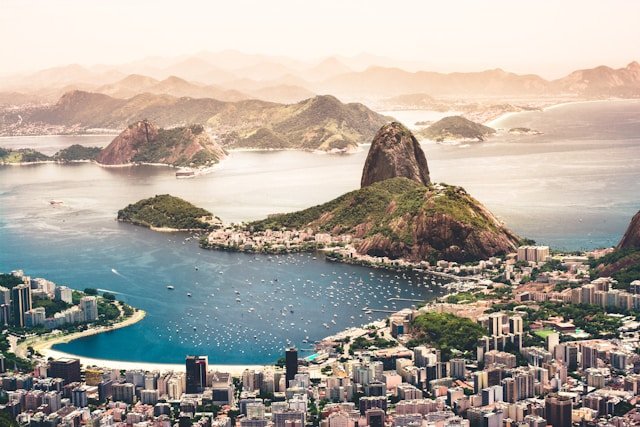
Brazil has the most advanced and complex banking system in Latin America. The essential requirement is a CPF (Cadastro de Pessoas Físicas) — a tax ID that foreigners can usually obtain quickly and for free.
While traditional banks can still be bureaucratic, fintech has revolutionized the system. Nubank (one of the world’s largest digital banks), Mercado Pago, and PicPay allow most daily transactions without visiting a branch.
Brazil’s Pix instant payment system is free, instant, and used by virtually everyone. If you can get a CPF and open a Nubank account, you’re already 90% covered for everyday needs.
Why This Matters: The Fintech and Crypto Explosion
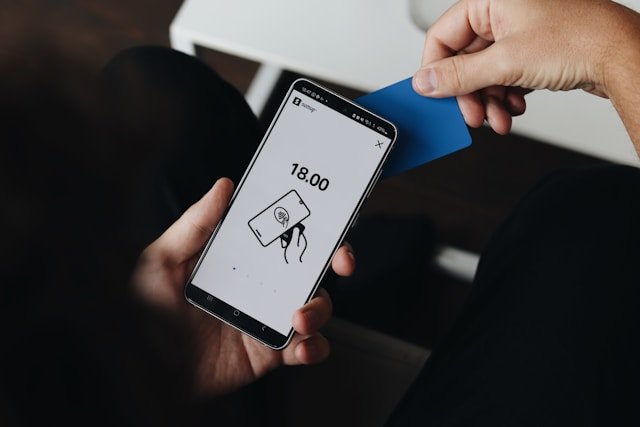
Here’s the bigger picture that connects all of this.
When 70% of a continent’s population can’t easily access a bank account, something else fills the void. In Latin America, that something is fintech and crypto.
The numbers are staggering. Latin America’s fintech ecosystem has grown from 1,166 platforms in 2018 to over 2,700 today. Digital payments now account for 60% of all consumer spending in the region. Brazil’s Pix processes billions of transactions monthly. Argentina’s Mercado Pago and Ualá have become essential financial infrastructure for millions who find traditional banks inaccessible.
And crypto adoption? Latin America is one of the fastest-growing regions in the world. Argentina and Venezuela lead in adoption rates, driven by people looking to protect savings from inflation. El Salvador buys 1 BTC per day as national policy. Brazil approved the world’s first spot XRP and SOL ETFs — ahead of the United States.
This isn’t happening because South Americans are especially tech-savvy or crypto-enthusiastic. It’s happening because the traditional banking system has failed to serve them. When you make it nearly impossible for a foreigner with legal documentation to open a savings account — as I experienced in Argentina — you’re practically pushing people toward alternatives.
The fintech revolution in Latin America isn’t a tech story. It’s a banking failure story.
Practical Checklist: Before You Go to Any Bank
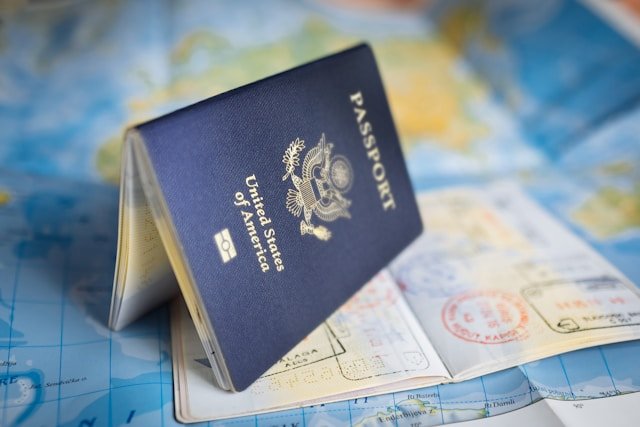
Regardless of which country you’re in, prepare these before visiting a bank:
Always bring: Your passport (original, not a copy), proof of local address (utility bill, rental contract — recent), your local tax ID (CUIL/CUIT in Argentina, RUC in Paraguay, RUT in Chile, CPF in Brazil), and proof of income (employment letter, bank statements, tax returns).
Expect to need: Patience. Lots of it. A Spanish speaker if your Spanish isn’t strong. Multiple visits — rarely does it work on the first try. And the willingness to try a different branch if the first one says no.
Consider first: Whether a digital alternative (Mercado Pago, Ualá, Nubank, Ueno) can cover your daily needs while you work on the traditional banking process.
Related reading:
- Buenos Aires Cost of Living 2026
- Argentina Money Guide 2026
- Palermo Neighborhood Guide 2026
- South America Residency 2026: 5 Countries Compared
Disclaimer: This article is based on personal experience and publicly available information as of March 2026. Banking regulations change frequently in South America. Always verify current requirements directly with the bank or a qualified local advisor before proceeding.
[…] Open a Bank Account in South America as a Foreigner 2026: 5 Countries Compared […]