
Neighborhood guide · Prices and opening hours checked October 20, 2026.
Most of Palermo is loud. Bars, brunch queues, someone’s speaker playing cumbia at 2 a.m.
Palermo Chico isn’t. Step a few blocks off Avenida Figueroa Alcorta and the traffic fades. The streets curve, the trees close in, and suddenly you’re looking at French-style mansions with flags on the gates.
I lived in Buenos Aires from 2017 to 2024, and this is still the corner I’d walk you through first: a world-class Latin American art museum, a free palace, a lot of embassies and, lately, a famous new neighbor.
First, what (and where) is Palermo Chico?
There are no official borders. Over the years this corner has been called Grand Bourg, the barrio of “Las Ranas”, Palermo Chico and Barrio Parque. These days most people use two names:
- Barrio Parque is the leafy residential core. La Nación put its edges at Av. Figueroa Alcorta, the San Martín railway line, and the streets Tagle and San Martín de Tours.
- Palermo Chico usually covers that core plus the strip between Figueroa Alcorta and Av. del Libertador, where most of the embassies sit.
MALBA: the reason most people come
What it is
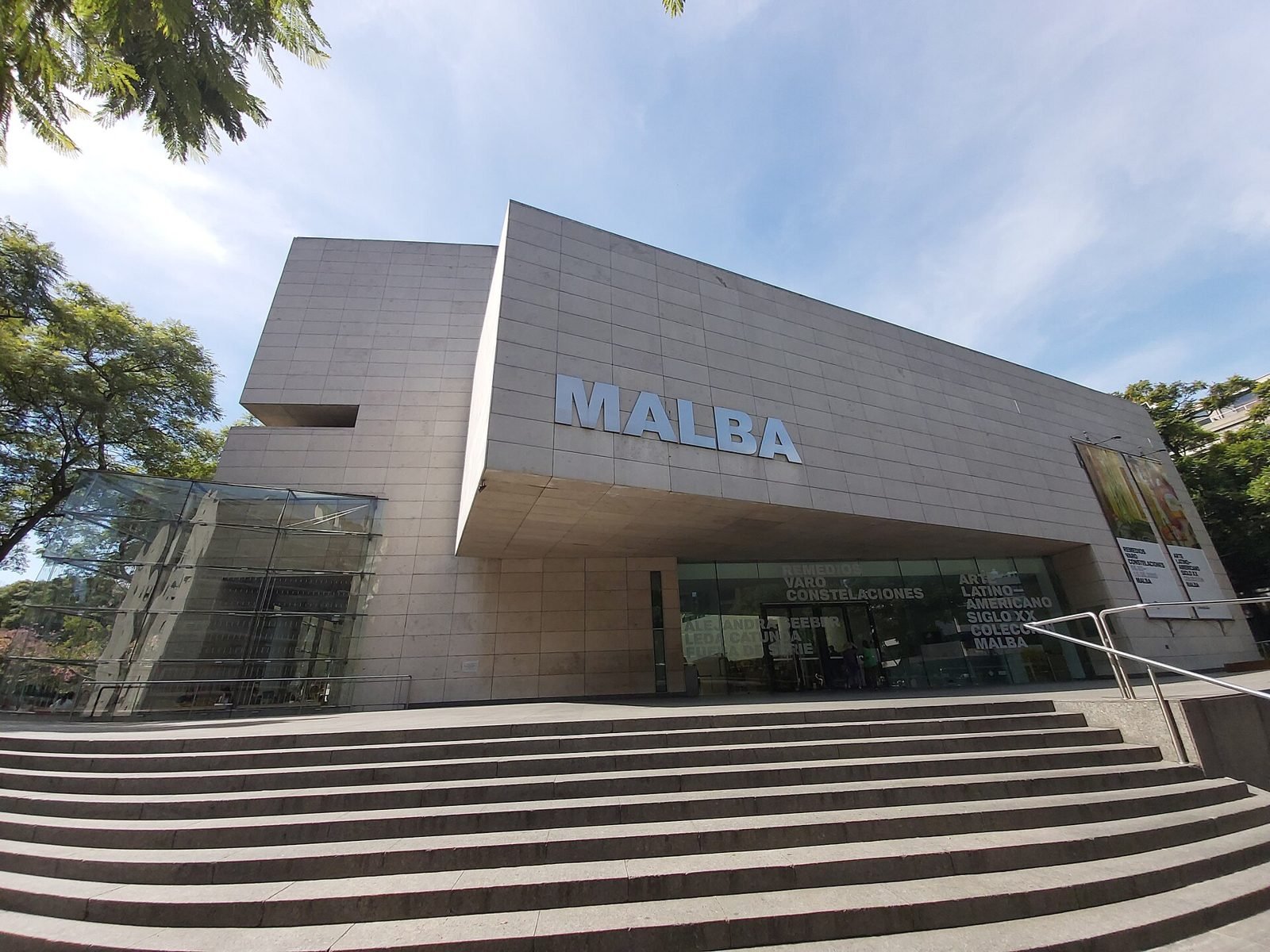
MALBA, the Museo de Arte Latinoamericano de Buenos Aires, is at Av. Figueroa Alcorta 3415. It’s a private museum started by collector and businessman Eduardo F. Costantini. He donated 223 works from his own collection, and the museum opened to the public on 21 September 2001. At the official opening the day before, President Fernando de la Rúa called it “a sign of life” amid hard times.
The limestone-and-glass building is by AFT Arquitectos (Gastón Atelman, Martín Fourcade and Alfredo Tapia, from Córdoba), who won a 1997 international competition against 450+ entries from 35 countries.
With my cultural-policy background, I love MALBA’s model: one collector’s private hoard turned into a public landmark. And it keeps growing. In 2025 Costantini bought the Daros Latinamerica collection, 1,233 works by 117 artists. In late September 2026, MALBA announced an expansion designed by Frida Escobedo’s studio.
What to see
The collection is a greatest-hits of Latin American modern art. From MALBA’s own list:
- Tarsila do Amaral, Abaporu (1928), the Brazilian modernist icon.
- Frida Kahlo, Self-Portrait with Monkey and Parrot (1942) and Diego and I (1949). MALBA says Diego and I set an auction record for Latin American art in 2021.
- Antonio Berni, Manifestación (1934), plus Xul Solar, Diego Rivera, Wifredo Lam, Remedios Varo, Leonora Carrington, Pettoruti and Torres García.
Right now: for its 25th anniversary, MALBA is showing Viva Frida, the show’s first time in South America. It brings 365+ pieces, including Kahlo’s Tehuana dresses, orthopedic corsets, jewelry and letters, alongside her paintings. It runs to mid-March 2027 (MALBA’s pages say 14 or 15 March), with guided tours Wednesday, Friday and Saturday at 5 p.m.
Hours and tickets (checked 20 Oct 2026)
| Details | |
|---|---|
| Open | Mon, Thu, Fri, Sat, Sun 12:00–20:00; Wednesday also open (see note) |
| Closed | Tuesdays, plus 25 Dec and 1 Jan |
| General ticket | ARS 14,000 (about US$9.10) |
| Wednesday ticket | ARS 7,000 (about US$4.55) |
| Students, teachers, retirees (with ID) | ARS 7,000 (about US$4.55); free on Wednesdays |
| Under 5s, visitors with disabilities | Free |
Prices are from MALBA’s visitor page. I’ve converted them at the official rate of ARS 1,540 to the dollar on 20 Oct 2026. Tickets include the collection and all temporary shows. MALBA recommends buying tickets online.
Note: MALBA’s own page leaves Wednesday’s hours blank. Other listings say 11:00–20:00. Check before you go.
Barrio Parque: curving streets and French mansions
Thays’ garden suburb
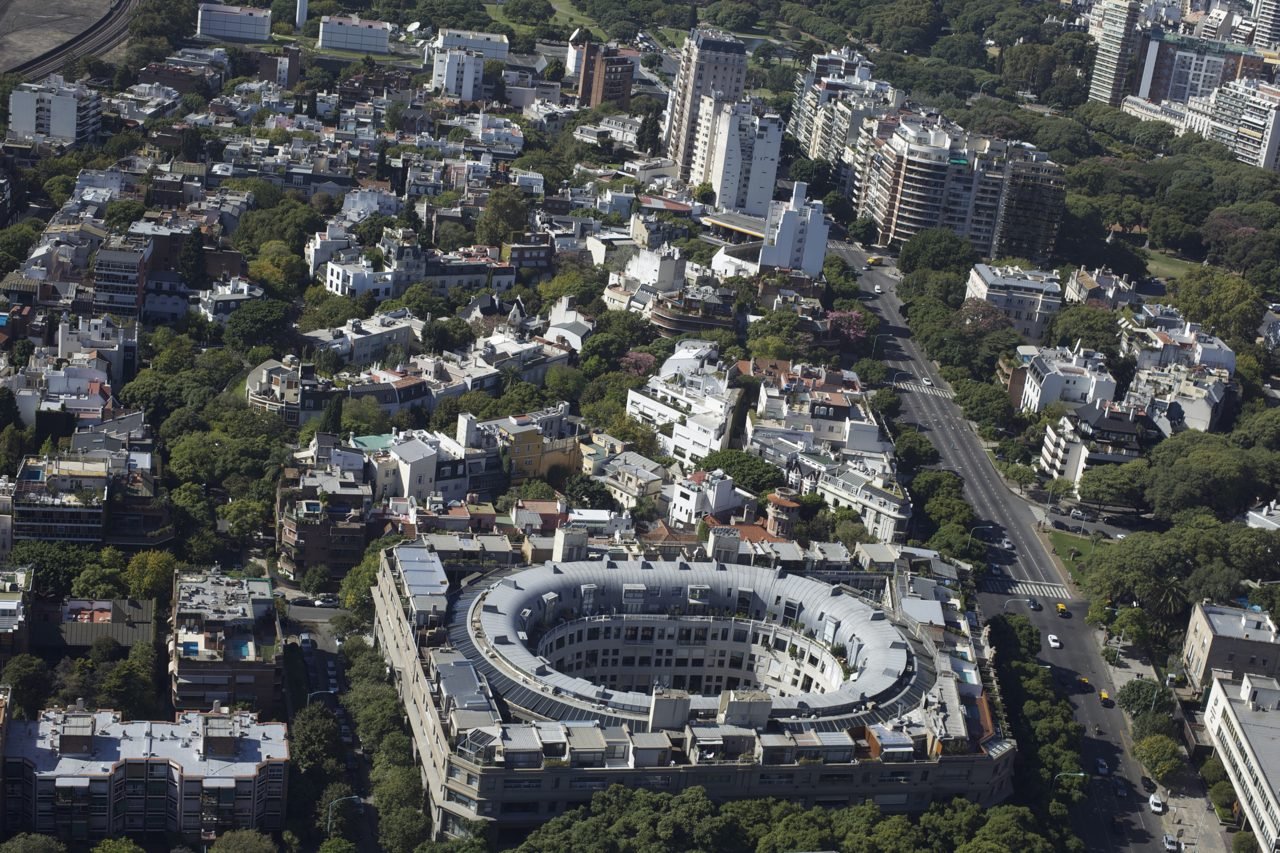
Barrio Parque was designed in 1912 by landscape architect Carlos Thays. Instead of the usual grid, the French-born landscaper drew curves and diagonals, front gardens and lots of trees.
The plan was approved on 1 December 1912 and lots went on sale in 1913. Historian Josefina Fornieles says the first house finished on schedule was Eduardo Lanús’s, which is now the Embassy of Poland.
What you’ll see
Expect petit hôtels (French-style townhouses), Tudor-style houses and big mansions on wide lots. Plus a few surprises:
- Casa Victoria Ocampo (Rufino de Elizalde 2831). Writer and patron Victoria Ocampo had Alejandro Bustillo build it in 1928, and its Le Corbusier-influenced modernism scandalized the Frenchified neighbors. The magazine Sur was founded nearby in 1931. Now run by the Fondo Nacional de las Artes, it became a National Historic Monument in 2022. Open weekdays 11:00–19:00, with guided tours on Mondays and Fridays at 11:00 and 15:00.
- A dome by Mario Palanti, the architect of the Palacio Barolo, at the corner of Eduardo Costa and Ortiz de Ocampo.
- “La casa del lapacho” at Figueroa Alcorta and Mariscal Castilla. Architects Acevedo, Becú and Moreno built it for the Díaz Vélez family.
It’s now a Historic Protection Area (APH 03, “Grand Bourg – Palermo Chico”), which caps building heights. That’s why it still looks like this.
One catch: La Nación (2018) found basically no kiosks or shops inside Barrio Parque. Bring water, and keep your photos to façades, not people’s windows.
The embassy district and its neighbors
If Buenos Aires has a diplomatic quarter, this is it. Walk the triangle between Av. Figueroa Alcorta, Av. del Libertador and Plaza República de Chile and you’ll lose count of the coats of arms over the doors, the flagpoles on the balconies and the police booths on the corners.
La Nación counted nine embassies in Barrio Parque and ten more in the Libertador–Figueroa Alcorta strip. The City names Spain, Italy and Saudi Arabia among those in mansions, and Clarín (2013) singled out Haiti’s palace on Figueroa Alcorta. A few you can spot from the sidewalk:
- Spain, on Av. Figueroa Alcorta 3102.
- Chile, on Tagle, between Figueroa Alcorta and Libertador, right beside the plaza that carries its name.
- Poland, in the Lanús house, the first home finished in Barrio Parque (more on that above).
- Palacio Bosch, the U.S. ambassador’s residence since 1929, at Av. del Libertador 3502, where the neighborhood meets the Palermo parks. René Sergent, who also designed the Palacio Errázuriz, drew it for diplomat Ernesto Bosch; it was finished around 1917 and became a National Historic Monument in 2018.
None of them are open to visitors, and the guards really don’t like cameras pointed at their gates. Admire the façades from across the street and keep walking.
Quick myth-buster: the Palacio Ortiz Basualdo (French Embassy) isn’t here. It’s on Cerrito, in Retiro.
Within the neighborhood or right next to it
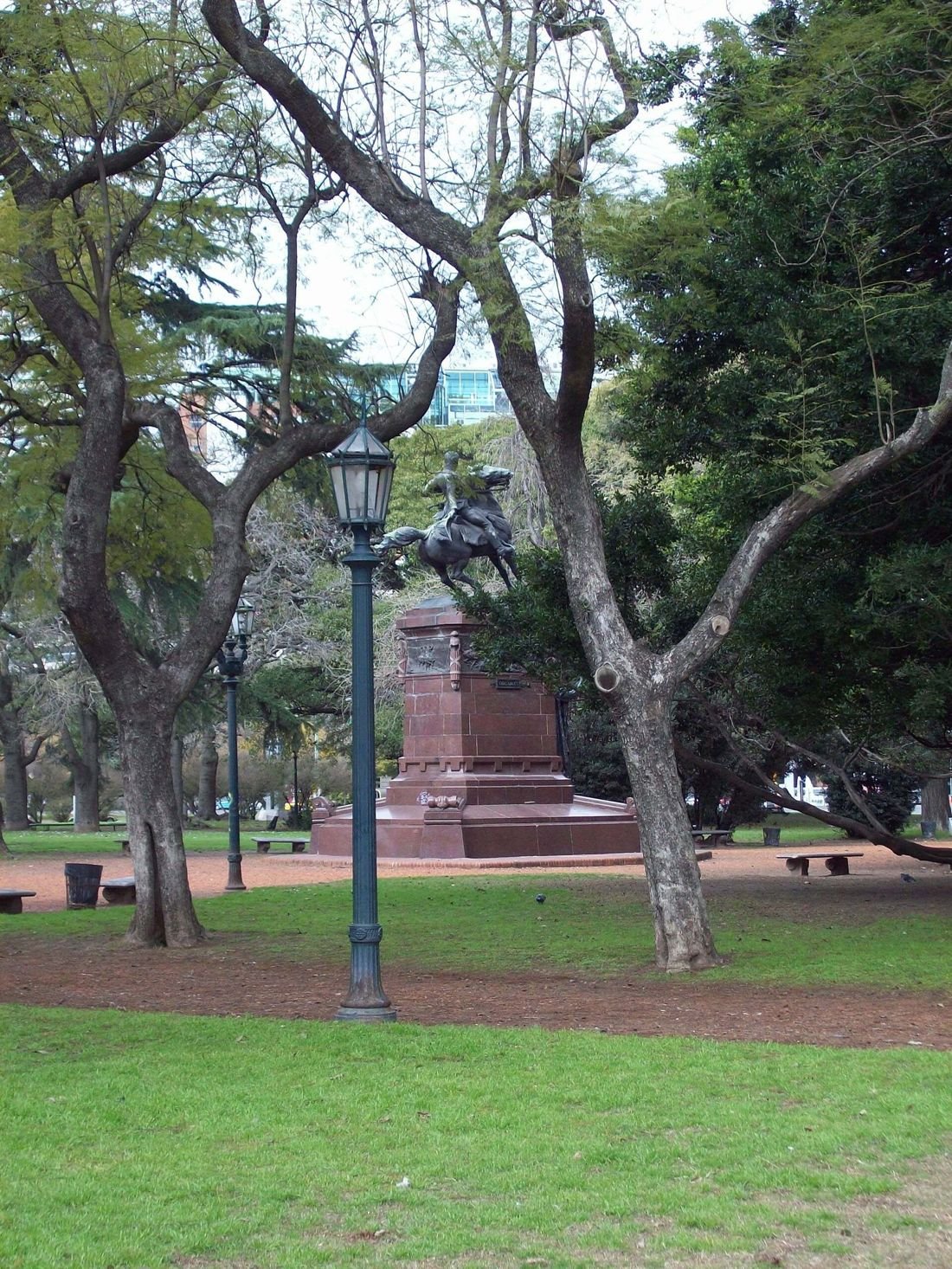
- Plaza República de Chile (Libertador, Tagle, Figueroa Alcorta and Mariscal Castilla). In the middle stands Guillermo Córdova’s equestrian statue of Bernardo O’Higgins, a National Historic Monument.
- Museo Nacional de Arte Decorativo in the Palacio Errázuriz Alvear (Av. del Libertador 1902). René Sergent designed it in 1911 in a French neoclassical style for Josefina de Alvear and Matías Errázuriz. The state bought it in 1936 and opened the museum in 1937. It’s open Wednesday to Sunday 13:00–19:00 (last entry 18:30). Entry is free, though they ask for a voluntary contribution, and there are guided tours at 16:00.
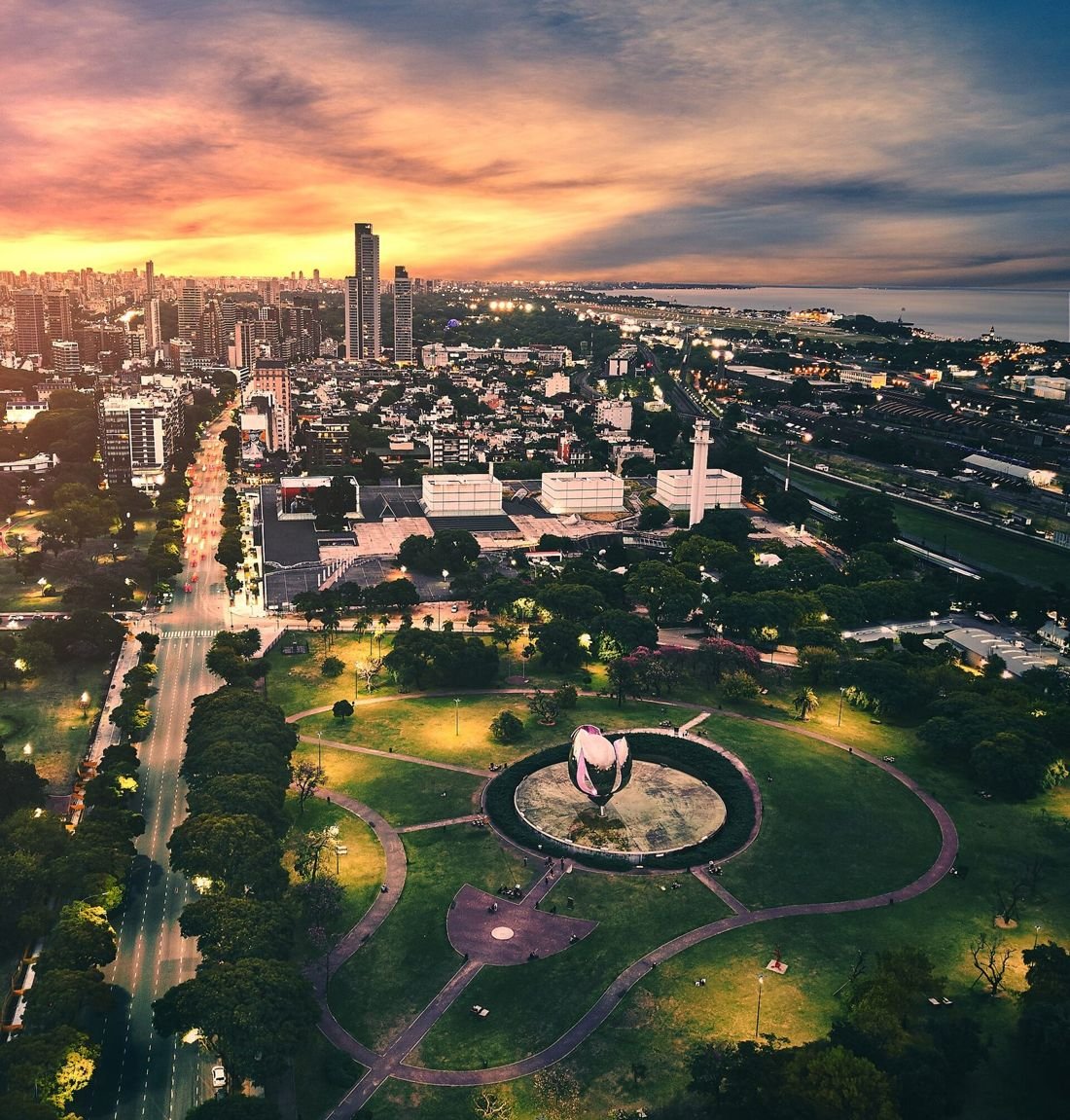
- Floralis Genérica (Plaza de las Naciones Unidas, Figueroa Alcorta 2301). Eduardo Catalano’s 20-meter steel flower was unveiled in 2002. Its petals open at 8 a.m. and close at midnight.
A short walk farther
- Jardín Japonés (entrance on Av. Casares 3500, inside the Bosques de Palermo). It’s open daily 10:00–18:45. Tickets are ARS 24,000 for non-residents (about US$15.60 on 20 Oct 2026) and ARS 8,000 for residents with a DNI.
- Museo Evita (Lafinur 2988, Tue–Sun 11:00–19:00) is nearer Plaza Italia, so save it for another day.
A famous new neighbor and what he says about the market
In 2026, Palermo Chico ended up in the international press. The New York Times (28 May 2026) reported that Peter Thiel had left his homes in Los Angeles and Miami to settle in Buenos Aires. He arrived in April. On 17 June, BBC Mundo described the move as “temporary”.
According to TN and Infobae (April 2026), he bought a French-style house in Barrio Parque with roughly 1,600 m² of floor space and six en-suite bedrooms, for about US$12 million. Later, Perfil (7 Sep 2026) cited the property registry and put the price at US$13.5 million. So the reported figure is somewhere between US$12M and US$13.5M.
That’s all I’ll say about the house: it’s someone’s home, so please don’t go looking for it. The interesting part is what the sale says about the neighborhood:
- Top of the market. TN called it one of the highest residential prices in years. Used homes here top US$5,000/m², and ultra-luxury deals are only 3–4% of sales in greater Buenos Aires.
- Tiny supply. La Nación (2018) called Barrio Parque one of the priciest areas per m² and “difficult to sell”: little land, no towers allowed.
- Big jump. Perfil says the previous owner paid US$1.5 million in 2021; TN notes a deep renovation since.
Famous neighbors aren’t new, by the way. Victoria Ocampo lived in her Bustillo house until 1940, and La Nación describes the area as a refuge for judges, artists and politicians.
Practical tips
Getting there
- Subte: The closest station is Facultad de Derecho (Line H), about 700 m from MALBA. Plaza Italia (Line D) is about 1.2 km away. For the Arte Decorativo museum, Las Heras (Line H) also works.
- Bus: Lines 10, 37, 59, 60, 67, 93, 102, 110, 118, 124 and 130 stop within a few minutes of MALBA.
- Bike / foot: There’s an Ecobici station at MALBA’s door, and Recoleta is a 25–30 minute walk. It helps to arrive with mobile data already working, and a Simsima travel eSIM for Argentina starts at about US$5 a week (October 2026 prices; affiliate link). More in my guide to getting around Buenos Aires.
Palermo Chico is one of the quieter, better-watched corners of the city (all those embassy guards help), but the usual big-city habits still apply: phone tucked away on the avenues, and a little extra care after dark. I’ve written more about that in my Buenos Aires safety guide.
Where to eat and grab coffee
- Coronado (inside MALBA). Chef Martín Lukesch serves Argentine cooking with seasonal ingredients, and there’s a cocktail bar, specialty coffee and a terrace. MALBA’s pages list different hours, so check before you go.
- Kike, MALBA’s first-floor café, reopened after a renovation with specialty coffee, sweet and savory plates and house-made pastries. It keeps museum hours: Wednesday to Monday, 12:00–20:00.
- Croque Madame (in the courtyard of the Palacio Errázuriz, Libertador 1902). It serves French-style croques, cakes and coffee. It’s open daily from 10:00 until midnight (Sundays until 21:00), and the fountain courtyard is one of the loveliest places in the city for a slow merienda.
Café Tabac: old Buenos Aires on the corner
For the classic porteño café experience, walk down Libertador to Café Tabac (Av. del Libertador 2300, at Coronel Díaz). Full honesty: it sits just over the line. Officially it’s in Recoleta, right on the border with Palermo. But it’s the corner where Palermo Chico’s neighbors have been taking their coffee for decades, and I’m not leaving it out.
Tabac opened in 1969 and is on the City’s official list of bares notables, its protected historic cafés. Inside: bronze chandeliers, reddish curtains, big windows and waiters who greet the regulars by name. It closed for almost a year and a half for a full renovation and reopened at the end of 2015 under the owners of Las Violetas.
It also has stories. Novelist Tomás Eloy Martínez met the colonel behind the “Operativo Traslado” here in 1989, which helped him write Santa Evita. Waiter Jorge Soirejman still keeps the napkin where a young Carlos Menem wrote that he’d be president, and Javier Milei came in until three days before he was elected. In the manager’s words, “Acá viene el poder cuando quiere que se sepa”: power comes here when it wants to be seen.
One of its most loyal regulars is Horacio Rodríguez Larreta, the city’s mayor from 2015 to 2023. He usually turns up at 7 a.m., heads for what he calls “la mesa del fondo” (the back table) and orders the usual: café con leche, sparkling water and scrambled eggs. “I come because it opens early, and because ordering the usual gives you a unique sense of belonging,” he told La Nación in January. Perfil has described him as a habitué who holds many of his political meetings there, at least the ones meant to be seen. And in September 2025, a chance handshake with Mauricio Macri at a nearby table made the national news.
I went there quite often myself, usually around 7:40 or 7:50 in the morning on my way to work, for a quick coffee before the day got going. And yes, I did run into Larreta there. I really wanted to ask for a photo, but I was way too shy, so I just sipped my coffee and pretended not to notice. At that hour, Tabac feels like old Buenos Aires waking up, mayor included.
The latest twist: since late 2025, the big sidewalk terrace has filled up at night with people in their twenties ordering spritzes. Clarín found all 50 outdoor tables taken near midnight on a Wednesday and the place busy until it closes at 2 a.m.
What to order:
- Daytime: a coffee and medialunas at a window table, or the Té del encuentro to share. It comes with coffee or tea, finger pastries, brownies, toast, budín, a toasted ham-and-cheese and fresh orange juice.
- Evening: an Aperol, Negroni or gin and tonic outside. In February 2026 Clarín put them at ARS 16,000, about US$10.40 at the official rate on 20 Oct 2026. Prices may have moved since.
It isn’t cheap. Come on a weekday morning if you want the old-Buenos-Aires version, or after 10 p.m. if you want the show. (If you need somewhere to open a laptop for a few hours, Tabac isn’t really that place. My list of Palermo cafés for remote work has better options.)
When to go
Mind the closures: MALBA shuts Tuesdays, Arte Decorativo Mondays and Tuesdays, Casa Victoria Ocampo weekends. All three are open only Wednesday to Friday: pick Wednesday for half-price MALBA, or Friday for a Casa Victoria Ocampo tour. Do the quiet streets late morning, museums after lunch.
A good loop: Floralis Genérica → Plaza República de Chile and the Arte Decorativo museum → wander Barrio Parque → MALBA → finish at the Jardín Japonés (last tickets 18:30). Want more Palermo? Read my Palermo neighborhood guide.
FAQ
Is Palermo Chico the same as Barrio Parque?
Almost. Barrio Parque is Thays’ curvy-street core; Palermo Chico usually adds the embassy strip toward Libertador. Neither has official limits.
How much is MALBA in 2026?
ARS 14,000 (about US$9.10) general, ARS 7,000 (about US$4.55) on Wednesdays, at the official rate on 20 Oct 2026. Closed Tuesdays.
Is Palermo Chico worth visiting if I’m short on time?
Yes, if you like art or architecture. MALBA plus a 45-minute wander fits into an afternoon, and it pairs well with Recoleta. If you’re also deciding where to stay, I compared Palermo, Recoleta and Belgrano side by side.
Can I visit any mansions inside?
Yes: the Palacio Errázuriz (free, Wed–Sun) and Casa Victoria Ocampo (weekdays). Embassies and private homes aren’t open to the public.
References
Accessed 20 October 2026 unless noted.
- MALBA, Visitar (hours, tickets and transport): https://malba.org.ar/visitar/
- MALBA, Museo (history and architecture): https://malba.org.ar/museo/
- MALBA, Colección (highlights and the Daros acquisition): https://www.malba.org.ar/coleccion/
- MALBA, Viva Frida exhibition page: https://malba.org.ar/evento/viva-frida/
- MALBA, home page (expansion announcement, 29 Sep 2026): https://www.malba.org.ar/
- MALBA, Restaurante Coronado: https://www.malba.org.ar/coronado/
- MALBA, Cafetería Kike: https://malba.org.ar/cafeteria-kike/
- BuenosAires123, MALBA listing (Wednesday hours): https://www.buenosaires123.com.ar/museos/malba.html
- AFT Arquitectos, MALBA project page: https://www.aftarquitectos.com.ar/works/malba-museo-de-arte-latinoamericano-de-buenos-aires
- La Nación, “Inauguraron el Museo de Arte Latinoamericano de Buenos Aires” (20 Sep 2001): https://www.lanacion.com.ar/cultura/inauguraron-el-museo-de-arte-latinoamericano-de-buenos-aires-nid336749/
- DolarAPI, official exchange rate (ARS 1,540 sell, 20 Oct 2026): https://dolarapi.com/v1/dolares
- La Nación, “Barrio Parque, un rincón de lujo que conserva casi intacta su fisonomía original” (15 Jun 2018): https://www.lanacion.com.ar/sociedad/barrio-parque-un-rincon-de-lujo-que-conserva-casi-intacta-su-fisonomia-original-nid2144041/
- Clarín, “Los 100 años del barrio más aristocrático de la Ciudad” (Jan 2013): https://www.clarin.com/ciudades/anos-barrio-aristocratico-ciudad_0_HJeICAsjDQl.html
- La Nación Lugares, interview with historian Josefina Fornieles (Aug 2021): https://www.lanacion.com.ar/revista-lugares/josefina-fornieles-palermo-chico-es-mucho-mas-que-un-barrio-de-embajadas-y-elegantes-residencias-nid01082021/
- Argentina.gob.ar, Casa Victoria Ocampo (Fondo Nacional de las Artes): https://www.argentina.gob.ar/cultura/fna/casa
- Argentina.gob.ar, Casa de Victoria Ocampo declared a National Historic Monument (8 Jul 2022): https://www.argentina.gob.ar/noticias/nueva-declaratoria-casa-de-victoria-ocampo
- Buenos Aires Ciudad, “Recorré Palermo en bici” (embassies in mansions): https://buenosaires.gob.ar/gcaba_historico/noticias/recorre-palermo-en-bici
- Embajada de España en Argentina, location and contact: https://www.exteriores.gob.es/Embajadas/buenosaires/es/Embajada/Paginas/Horario,-localizaci%C3%B3n-y-contacto.aspx
- Chile en el Exterior, Embassy of Chile in Argentina, “¿Dónde estamos?”: http://www.chile.gob.cl/argentina/sobre-la-embajada/donde-estamos/donde-estamos
- Argentina.gob.ar, Palacio Bosch Alvear: https://www.argentina.gob.ar/palacio-bosch-alvear
- U.S. Department of State, Register of Culturally Significant Property 2019 (Palacio Bosch): https://www.state.gov/wp-content/uploads/2020/04/SecReg_2018-2019_web.pdf
- Wikipedia (ES), Palacio Ortiz Basualdo (French Embassy): https://es.wikipedia.org/wiki/Palacio_Ortiz_Basualdo_%28Embajada_de_Francia%29
- Wikipedia (ES), Plaza República de Chile: https://es.wikipedia.org/wiki/Plaza_Rep%C3%BAblica_de_Chile_%28Buenos_Aires%29
- Argentina.gob.ar, Escultura Bernardo O’Higgins: https://www.argentina.gob.ar/escultura-bernardo-ohiggins
- Museo Nacional de Arte Decorativo, visitor information: https://museoartedecorativo.cultura.gob.ar/info/visitas/
- BA Tourism, Floralis Genérica: https://turismo.buenosaires.gob.ar/en/otros-establecimientos/floralis-gen%C3%A9rica
- Jardín Japonés, general information: https://jardinjapones.org.ar/informacion-general/
- Museo Evita, location and contact: https://museoevita.org.ar/ubicacion-y-contacto/
- El Destape, Croque Madame at the Palacio Errázuriz (28 May 2026): https://www.eldestapeweb.com/sociedad/tomar-cafe-paris-queda-buenos-aires-cafe-ensueno-merendar-fin-semana-2026528132334
- BA Tourism, Café Tabac: https://turismo.buenosaires.gob.ar/es/gastronomico/cafe-tabac
- Buenos Aires Ciudad, Bares Notables consolidated list 2025: https://documentosboletinoficial.buenosaires.gob.ar/publico/PE-RES-MCGC-MCGC-1225-26-ANX.pdf
- La Nación, “Café Tabac: el desafío de renovar el espíritu manteniendo la esencia” (26 Jan 2016): https://www.lanacion.com.ar/sociedad/cafe-tabac-el-desafio-de-renovar-el-espiritu-manteniendo-la-esencia-nid1863786/
- La Nación, “De Menem a Milei: los secretos de Tabac, el café donde el poder decide mostrarse” (8 Jan 2026): https://www.lanacion.com.ar/economia/negocios/de-menem-a-milei-los-secretos-de-tabac-el-cafe-donde-el-poder-decide-mostrarse-nid08012026/
- Noticias, “Café Tabac: la nueva meca del levante” (27 Feb 2026): https://noticias.perfil.com/noticias/informacion-general/cafe-tabac-la-nueva-meca-del-levante.phtml
- Clarín, “El tradicional café de famosos, políticos y mucha rosca que en la trasnoche ahora copan los jóvenes” (27 Feb 2026): https://www.clarin.com/sociedad/tradicional-cafe-famosos-politicos-mucha-rosca-trasnoche-ahora-copan-jovenes_0_h7yJcCR5Ft.html
- Perfil, “Larreta-Angelici, una foto que generó intrigas en Juntos por el Cambio” (30 Jun 2021): https://www.perfil.com/noticias/politica/horacio-rodriguez-larreta-daniel-tano-angelici-una-foto-que-genero-intrigas-en-juntos-por-el-cambio.phtml
- Perfil, “¿Casualidad?: Mauricio Macri y Horacio Rodríguez Larreta se encontraron en Palermo” (10 Sep 2025): https://www.perfil.com/noticias/politica/mauricio-macri-y-horacio-rodriguez-larreta-en-un-encuentro-casual-en-un-cafe-de-palermo.phtml
- The New York Times, “In Argentina, U.S. Tech Billionaire Peter Thiel Finds an Escape” (28 May 2026), read in La Nación’s Spanish translation: https://www.lanacion.com.ar/el-mundo/el-multimillonario-tecnologico-peter-thiel-encuentra-un-nuevo-refugio-argentina-nid28052026/
- BBC Mundo, on Peter Thiel’s move to Buenos Aires (17 Jun 2026): https://www.bbc.com/mundo/articles/c932qq7x07xo
- TN, report on the Barrio Parque house purchase (28 Apr 2026), cited without link
- Infobae, report on the Barrio Parque house purchase (23 Apr 2026), cited without link
- Perfil, report on the lawyers and companies behind the purchase (7 Sep 2026), cited without link
- Photos: Wikimedia Commons, with author and license credited in each caption