
One of the things I appreciate most about living in Palermo after eight years is the food. The beef is genuinely exceptional. Avocados are cheaper than almost anywhere I’ve been. Produce markets are within walking distance of most apartments. And if you learn where to shop, your weekly grocery bill looks very different from what expat forums might lead you to expect.
This guide is what I actually spend on food in Palermo in 2026 — the grocery prices, where to shop, what to cook, and where the real savings are. Prices are based on current April 2026 data from Coto, Jumbo, and Disco in Palermo, cross-referenced with recent expat reports.
Where to Shop in Palermo: The Honest Breakdown
Not all supermarkets in Palermo are equal. Here’s how I think about each one after years of regular use:
Coto — Best Value, Everyday Shopping
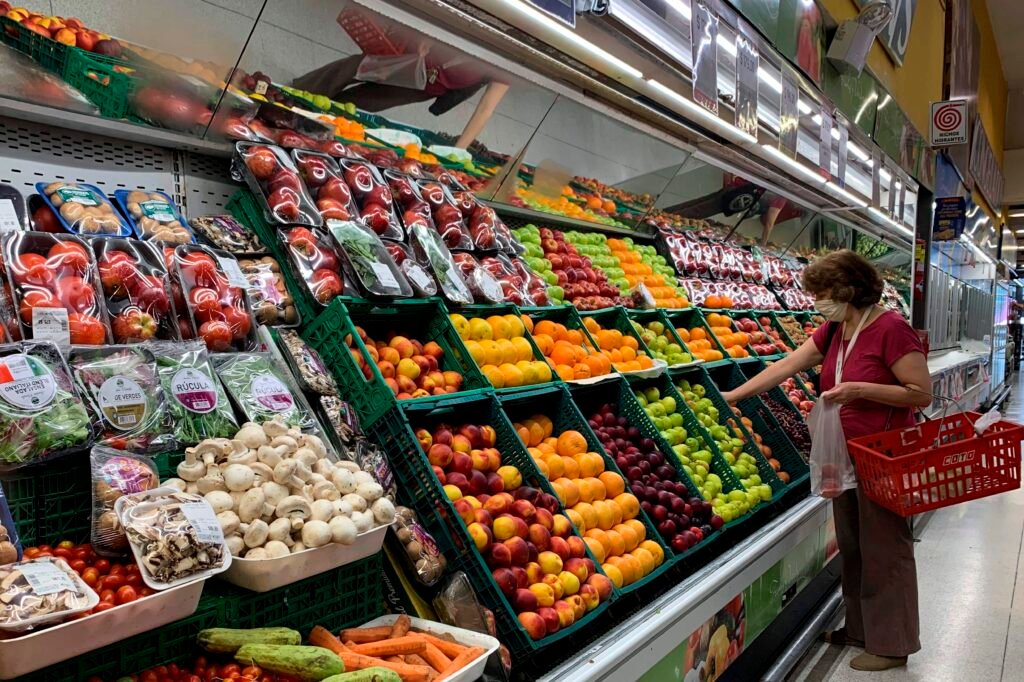
Coto is the workhorse supermarket. Prices are consistently the lowest among the main chains, the meat counter is solid, and the produce section is reliably stocked. It’s not glamorous, but for day-to-day shopping it’s where I save the most money. If you’re budget-conscious, anchor your weekly shopping here.
Jumbo — Best Selection, Worth the Premium
Jumbo is noticeably more expensive than Coto, but the quality and range are better across the board — particularly for imported goods, specialty ingredients, better cuts of meat, and anything that isn’t a standard staple. I use Jumbo for the weekly shop when I want better ingredients, and Coto for budget top-ups. The Jumbo on Avenida Bullrich (Palermo) is the most convenient for the Palermo Chico area.
Disco — Mid-Range, Convenient Locations
Disco sits between Coto and Jumbo on both price and quality. The produce section is generally good. Worth using when it’s the most convenient option — there are several locations spread across Palermo and Recoleta and the store layouts are clean and easy to navigate.
Chinese-Owned Mini-Markets (Chinos) — Essential for Daily Items and Asian Ingredients
Don’t underestimate the Chinese-owned corner supermarkets (called “chinos” locally). They’re spread throughout every neighborhood in Palermo and open long hours, including weekends. For Asian ingredients — soy sauce, sesame oil, ramen, kimchi, rice vinegar, chili paste — these are dramatically cheaper and better-stocked than anything the main chains carry. If you cook Asian food at home, find your nearest good chino and make it a regular stop.
Verdulería (Produce Shop) — Best Prices for Fresh Fruit and Vegetables
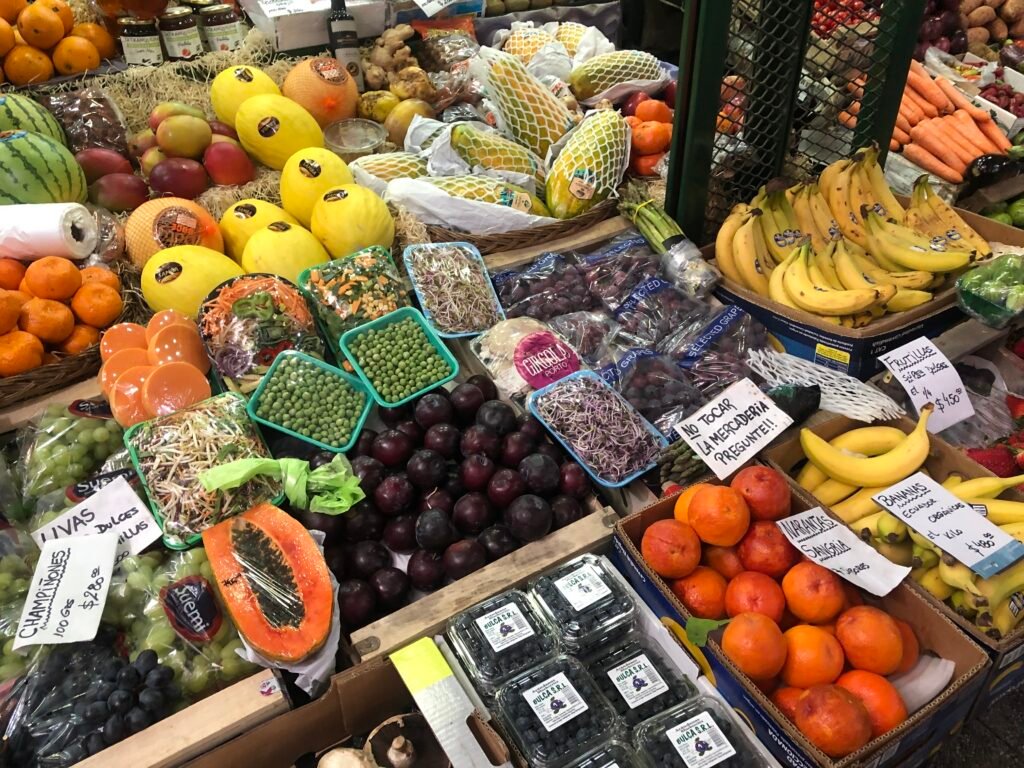
For produce, the local verdulería (neighborhood produce shop) almost always beats supermarket prices, particularly for seasonal items. They also tend to have fresher stock with faster turnover. Once you identify a good verdulería near your apartment — one that’s well-stocked and rotates regularly — make it your default for fruits, vegetables, and herbs. The price difference on seasonal produce can be 30–50% compared to Jumbo.
Palermo Grocery Price Guide: April 2026
All prices in USD, based on current prices at Coto, Jumbo, and Disco in Palermo.
Meat and Protein
| Item | Price (USD) | Notes |
|---|---|---|
| Beef, good cut (asado/steak, 1kg) | $9–$12 | Premium quality Argentine grass-fed. One of the best value items in the city. |
| Beef, everyday cut (1kg) | $5–$8 | Minced beef, stewing cuts — excellent for everyday cooking |
| Chicken breast (1kg) | $7–$9 | Best value protein. Widely available, consistently priced. |
| Whole chicken (1kg) | $4–$6 | Excellent value — roast chicken is one of the best budget meals here |
| Eggs (12, large) | $2.80–$3.50 | Buy the 30-pack for better unit price |
Dairy
| Item | Price (USD) | Notes |
|---|---|---|
| Milk (1L, standard) | $1.50–$2.50 | Long-life UHT is cheaper; fresh milk is better but pricier |
| Local cheese (500g) | $5–$8 | Queso, provolone, and port salut are the staples — all excellent quality |
| Yogurt (500g) | $2–$3.50 | Wide range available; local brands are good |
| Butter (200g) | $2–$3 | Argentine butter is excellent |
Produce
| Item | Price (USD) | Notes |
|---|---|---|
| Avocado (each, in season) | $0.80–$1.50 | Genuinely great value — one of the highlights of food shopping here |
| Tomatoes (1kg) | $1.50–$2.50 | Cheaper in season (summer/autumn) |
| Onions / Potatoes (1kg) | $0.80–$1.50 | Consistently cheap year-round |
| Bananas (1kg) | $1.80–$2.50 | Always affordable |
| Bell peppers (1kg) | $2–$3.50 | Price varies significantly by season |
| Lettuce / Greens (head) | $0.80–$1.50 | Get from verdulería for best price |
Pantry Staples
| Item | Price (USD) | Notes |
|---|---|---|
| Bread (500g loaf) | $2–$3 | French bread and baguettes from the panadería (bakery) are better and similar price |
| Rice (1kg, local) | $1.50–$2.20 | Good quality local rice |
| Pasta (500g) | $1.20–$1.80 | Extremely cheap and good quality |
| Olive oil (500ml) | $4–$7 | Argentine olive oil is excellent; imports cost more |
| Yerba mate (500g) | $2–$3.50 | The national drink — cheap, good, and everywhere |
| Chimichurri (jar) | $2–$3.50 | Buy a jar, or make your own — parsley, garlic, oil, vinegar |
Coffee and Drinks
| Item | Price (USD) | Notes |
|---|---|---|
| Ground coffee (250g) | $3–$5 | Local brands are solid; specialty roastery bags cost $8–$12 |
| Wine (bottle, decent table wine) | $4–$8 | Argentine wine at this price range is very good. No need to spend more for everyday drinking. |
| Beer (6-pack, local) | $5–$8 | Quilmes is the standard; craft beer is more but widely available |
| Sparkling water (2L) | $1–$1.80 | Argentines drink a lot of sparkling water — very cheap here |
What I Actually Eat in a Typical Week in Palermo
Eight years of cooking in Buenos Aires has shaped my eating habits in specific ways. Here’s what a normal week of home cooking looks like for me:
The Non-Negotiables
Asado once a week, minimum. When the beef is this good and this affordable, grilling becomes a weekly ritual rather than a special occasion. A kilo of good asado cuts for two people costs $10–$12 and takes maybe 40 minutes on the grill. There’s no equivalent value proposition anywhere else I’ve lived.
Pasta most weeknights. Pasta here is absurdly cheap ($1.20–$1.80 for 500g), the quality is good, and with a decent tomato sauce, olive oil, or whatever vegetables are in season, it’s fast and satisfying. Half the neighborhood eats pasta three or four times a week — there’s no stigma about it being a lazy dinner.
Milanesa. This is the weeknight dinner of Buenos Aires — a breaded, pan-fried cutlet made from beef or chicken. Cheap, fast, and genuinely delicious. You can buy the breaded cutlets pre-prepared from the butcher counter at Coto or Disco for about $5–$7/kg. Serve with mashed potato or salad and dinner is done in 20 minutes.
Weekly Grocery Budget Estimate
| Scenario | Weekly Cost (USD) | What’s Included |
|---|---|---|
| Budget cooking at home | $40–$60 | Chicken, pasta, eggs, vegetables, basics. Coto/verdulería shopping. |
| Comfortable home cooking | $70–$100 | Good beef twice a week, varied produce, wine, cheese. Mix of Coto and Jumbo. |
| Premium (with imported goods) | $120–$160 | Premium cuts, imported products, specialty items, regular wine. |
For reference: I spend around $80–$100/week on groceries as a single person cooking at home most days, occasionally supplemented by restaurant meals 2–3 times per week.
Asian Ingredients in Buenos Aires: Where to Find Them
This is one of the most-asked questions from Asian expats, and the answer has improved significantly in recent years with Milei’s import liberalization.
Chinese mini-markets (chinos) throughout Palermo are your first stop for soy sauce, sesame oil, rice vinegar, chili paste, instant ramen, various noodles, and dried goods. Quality varies by store, but prices are dramatically lower than Jumbo’s limited Asian section. Spend 20 minutes visiting the two or three chinos nearest to your apartment and you’ll quickly identify which one has the best Asian ingredients stock.
Barrio Chino in Belgrano (Arribeños street, about 20 minutes from Palermo) is the main hub for serious Asian grocery shopping. You’ll find fresh tofu, Korean ingredients (doenjang, gochujang, perilla leaves in season), Japanese items, fresh Asian vegetables, and a much wider range than anything available in Palermo proper. Worth a dedicated trip every 2–3 weeks if Asian cooking is a regular part of your diet.
Post-Milei import changes: the variety of imported Asian products available in Buenos Aires has genuinely increased since 2024–2025. Items that were impossible to find 3 years ago are showing up in chinos and specialty stores. It’s still not Seoul or Tokyo, but it’s better than it was.
Eating Out in Palermo: What It Costs in 2026
Home cooking is clearly cheaper, but Buenos Aires restaurant culture is genuinely excellent and the prices — especially compared to North America or Europe — remain reasonable for quality.
| Type of Meal | Cost Per Person (USD) | Notes |
|---|---|---|
| Café lunch (sandwich + coffee) | $8–$14 | Standard Palermo café lunch |
| Tenedor libre (all-you-can-eat) | $12–$18 | Includes salads, hot dishes, dessert. Genuinely good value for large appetite. |
| Mid-range restaurant dinner | $20–$35 | Includes a main, wine by the glass, and dessert |
| Parrilla (steakhouse) dinner | $30–$55 | Full meal with asado, side dishes, and wine. Premium parrillas higher. |
| Delivery (Rappi/PedidosYa) | $10–$18 | Fast food to mid-range. Delivery fees add $2–$4. |
Money-Saving Tips for Grocery Shopping in Buenos Aires
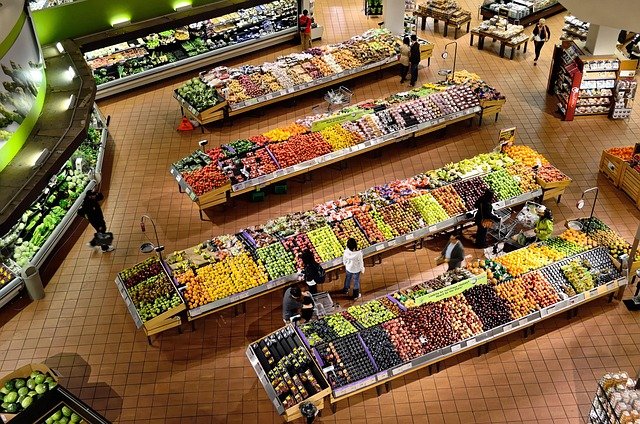
Shop produce at the verdulería, not the supermarket. For seasonal fruits and vegetables, the local produce shop is consistently 20–40% cheaper than Coto and significantly cheaper than Jumbo. Build a relationship with the one nearest your apartment — regulars often get better picks.
Buy meat from the butcher counter, not pre-packaged. Argentine butchers (carnicerías) know their cuts and will help you select the right piece for what you’re cooking. Pre-packaged meat in plastic trays is less fresh and sometimes worse cuts. The butcher counter at Coto is fine; a standalone carnicería is better.
Bread from the panadería. Supermarket bread is technically fine but a freshly baked baguette or French loaf from a neighborhood bakery costs the same or less and is dramatically better. Buenos Aires has excellent neighborhood panaderías — find yours in the first week.
Wine at $4–$8 is genuinely good. There is no need to spend $20 on a bottle of Argentine wine for a weeknight dinner. The $5–$8 range from Malbec and Torrontés producers consistently delivers quality that would cost $20+ in most other countries. Spend more on special occasions, not on regular table wine.
Avoid imported versions of things Argentina does well. Imported olive oil costs $10+. Argentine olive oil at $4–$7 is excellent — some of the best I’ve had anywhere. Same principle applies to wine, beef, cheese, and most produce. The import premium is rarely justified for things Argentina produces at high quality domestically.
FAQ: Food and Grocery Shopping in Buenos Aires 2026
Is food cheap in Buenos Aires in 2026?
For locally produced items — beef, chicken, vegetables, pasta, wine, dairy — yes, food is genuinely cheap by Western standards. Imported products (European cheeses, international brands, specialty items) have become more available but cost proportionally more. The best value in Buenos Aires grocery shopping comes from leaning into what Argentina produces well: beef, produce, pasta, and wine.
Where is the cheapest supermarket in Palermo Buenos Aires?
Coto consistently has the lowest prices among the main chains in Palermo. For produce specifically, the local verdulería (neighborhood produce shop) will usually beat all supermarkets on price for seasonal items. Chinese-owned mini-markets are cheapest for Asian ingredients and basic daily items like drinks and snacks.
Can I find Korean or Japanese food in Buenos Aires?
Yes. Chinese-owned mini-markets throughout Palermo carry basics (soy sauce, sesame oil, ramen, noodles). For a broader range of Korean and Japanese ingredients, Barrio Chino in Belgrano (Arribeños street) is the main hub — a 20-minute trip worth making every few weeks. The availability of Asian ingredients has improved noticeably since 2024 as import restrictions loosened.
How much should I budget for food per month in Buenos Aires?
For one person: cooking at home most days plus eating out 2–3 times per week in Palermo, budget $350–$500/month total. Cooking entirely at home with a comfortable (not frugal) shopping style runs $300–$420/month. If you eat out frequently or choose premium restaurants, $600+ is realistic. Buenos Aires is notably cheaper than most comparable cities in Europe or North America for food spending.
The Bottom Line
Grocery shopping in Buenos Aires rewards people who shop locally and seasonally. The beef is outstanding and affordable. The produce, pasta, cheese, and wine are all excellent value. Where you overspend is on imported substitutes for things Argentina already does well.
After eight years, my shopping pattern hasn’t changed much: Coto for bulk staples, Jumbo for quality ingredients and imported goods, the verdulería two blocks away for produce, and Barrio Chino once a month for Asian ingredients. The weekly cost is manageable, the quality is high, and the asado on Sunday hasn’t gotten old yet.
Related Reading: