
How much does it actually cost to live in Buenos Aires in 2026? If you’ve been Googling “Buenos Aires cost of living,” you’ve probably seen the same claim everywhere: you can live on $500–$1,000 a month. And between 2018 and 2023, that was true. The gap between the official exchange rate and the blue dollar rate was 2–3x, which meant exchanging dollars on the parallel market gave you a flood of pesos. Life felt absurdly cheap.
Then everything changed. When Milei’s right-leaning government took office in late 2023, they raised interest rates, slashed money printing, and let the peso float more freely. The blue dollar converged with the official rate. That magic gap disappeared — and with it, the era of ultra-cheap Buenos Aires living.
I’ve lived in Palermo Chico for 8 years. This is my real expat budget in Buenos Aires — based on actual rent receipts, utility bills, and grocery runs — updated for April 2026. A realistic Palermo cost of living breakdown, not a fantasy.
The bottom line: to live comfortably in Palermo as a single person, expect to spend $1,500–$2,000/month. You can go lower, but you’ll need to compromise on neighborhood. When I first arrived, I was spending around $1,500 myself.
Rent in Palermo 2026: How Much Does It Really Cost?
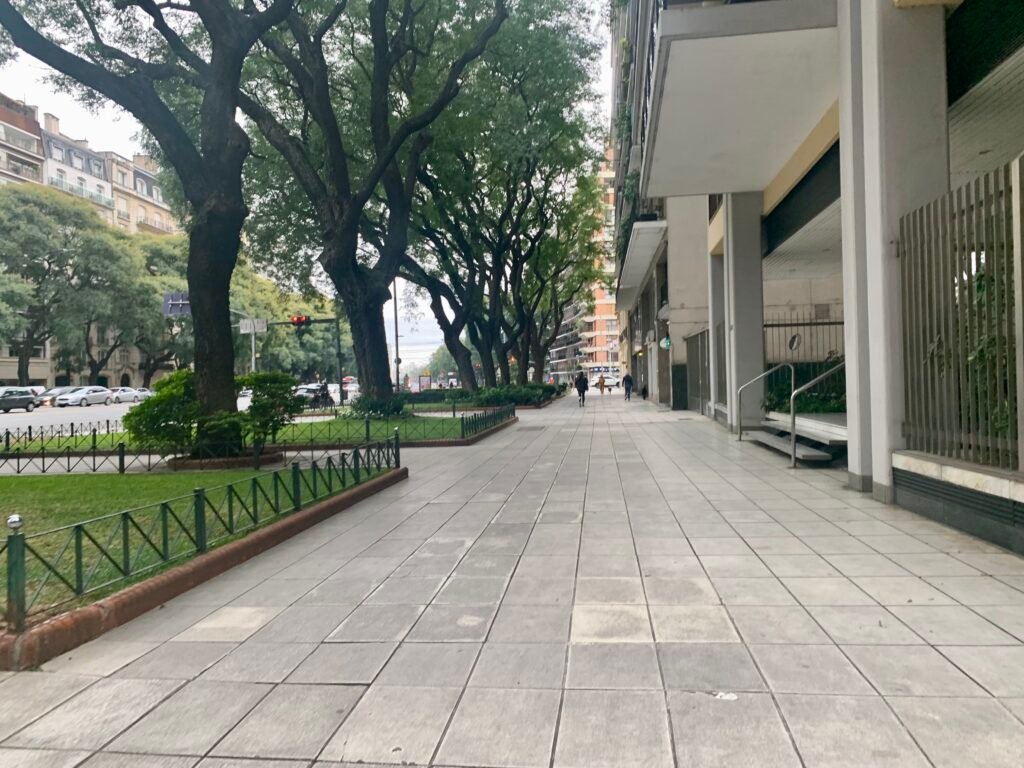
Understanding Buenos Aires rent starts with one key fact: in premium neighborhoods like Palermo, Recoleta, and Belgrano, landlords price everything in US dollars. With peso inflation still a reality, landlords don’t want to be paid in a depreciating currency — and for expats earning in dollars, this is actually convenient. Your rent is a fixed dollar amount regardless of what the peso does.
Lease Terms and How They Work
Most leases run 6 months. Landlords adjust dollar prices every 6-month cycle. Longer-term contracts — 12 months or more — are possible, but typically require verified legal status (DNI or residency) and going through a licensed real estate agent (inmobiliaria).
What I Actually Paid
My 40m² monoambiente (studio) in Palermo Chico was $600/month including utilities and building fees in 2024. As of April 2026, equivalent listings in Palermo are going for $700–$900 — a 15–30% increase.
Buenos Aires Rent by Neighborhood (2026)
| Neighborhood | Studio (Monoambiente) | 1-Bedroom (2 Ambientes) |
|---|---|---|
| Palermo / Recoleta | $700 – $1,000 | $1,000 – $1,500 |
| Belgrano / Núñez | $500 – $800 | $800 – $1,200 |
| Almagro / Caballito | $350 – $500 | $500 – $800 |
| San Telmo | $300 – $500 | $400 – $700 |
Apartment Quality Varies Wildly — Even in Palermo
Not all Palermo apartments are created equal. Buenos Aires buildings are not standardized. Some are 100 years old, some are 10. I’ve seen century-old apartments that are warm, well-maintained, and charming — and brand-new constructions where the internet drops daily and the water pressure is a joke. Price alone tells you nothing about quality. Always visit in person and check water pressure, internet connectivity, and heating before signing anything. Photos lie constantly.
Renting as a Foreigner in Buenos Aires
A few things to know if you’re not Argentine:
- Without a local guarantor (garante), landlords often require several extra months of deposit upfront
- Airbnb is an option for short stays, but long-term it’s significantly more expensive than a direct lease
- For long-term stays, search through a licensed real estate agency (inmobiliaria), listing sites like Zonaprop, or expat communities like the Facebook group “BA Expats”
Food Costs in Buenos Aires 2026: Groceries vs Dining Out
Grocery Budget: Cooking at Home
If you cook at home, expect to spend around $200–$250/month on groceries. Argentina’s beef, dairy, eggs, and produce are comparatively cheap, so eating local keeps costs down.
Where to shop:
- Disco — the most accessible option in Palermo, decent quality. My go-to for years
- Jumbo — large-format supermarket with wider selection and good quality, but not always nearby
- Carrefour — two very different things. The full-size hypermarket is like a Walmart or Target — big, cheap, comprehensive. Carrefour Express is basically a convenience store with convenience store prices. Don’t confuse the two
What’s cheap: beef (world-class quality, fraction of US/European prices), honey, avocados, cheese, milk, and eggs. Argentina is one of the world’s top beef producers and it shows.
What’s not cheap: imported packaged goods, cosmetics, and cleaning products are notably more expensive than in the US or Korea. Budget accordingly.
Dining Out in Buenos Aires: Restaurant Prices 2026
| Meal Type | Price (USD) |
|---|---|
| Coffee | $3 – $5 |
| Brunch at a café | $10 – $15 |
| Lunch set menu (casual restaurant) | $15 – $25 |
| Dinner at a parrilla / restaurant | $20 – $40 |
| High-end restaurant (Don Julio, etc.) | $50 – $80+ |
| Slice of pizza at Güerrín (standing) | $1 – $3 |
| Beer | $2 – $5 |
If you eat out regularly in Palermo, food costs add up fast. A pattern of cooking lunch at home and dining out for dinner runs about $400–$600/month.
Utilities and Internet in Buenos Aires 2026
Argentina’s utilities were historically dirt-cheap thanks to government subsidies. Under Milei’s reforms, subsidies have been reduced and prices have risen — but they’re still low compared to most countries.
| Utility | Monthly Cost (USD) |
|---|---|
| Electricity | $10 – $20 |
| Gas (winter heating) | $10 – $15 |
| Internet (fiber) | $25 – $40 |
| Mobile plan (local SIM) | $20 – $30 |
Even with heavy usage, electricity rarely exceeded $15 for me. During the subsidy era it was practically free — post-Milei it’s risen, but remains a fraction of what you’d pay in the US or Europe.
Internet quality has improved significantly. Fibertel (now Telecom) or Claro fiber connections handle remote work without issues.
Buenos Aires Transportation Costs 2026: Buses, Subte, and Uber
Buenos Aires public transport is remarkably cheap compared to other major cities.
Colectivo (Bus) and Subte (Subway) with SUBE Card
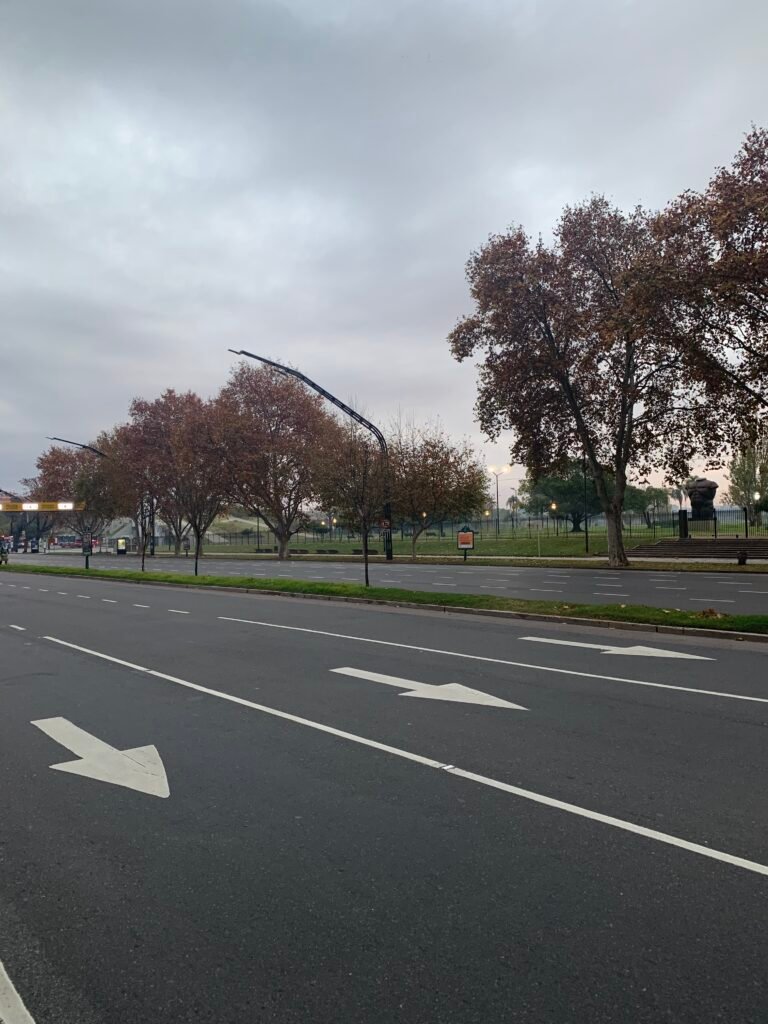
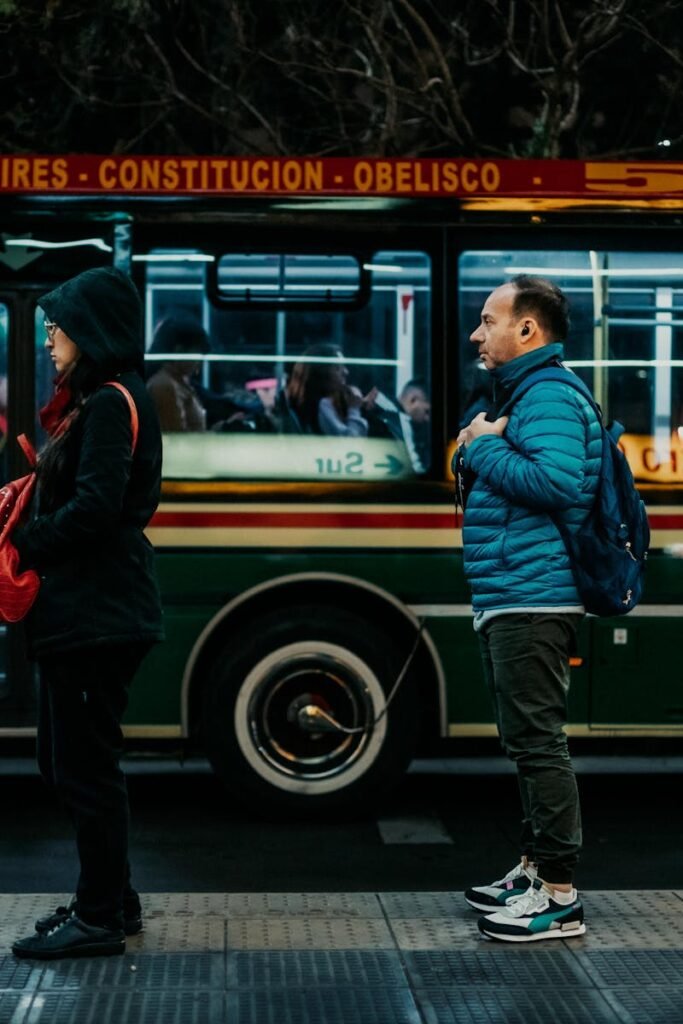
Everything runs on the SUBE card. As of April 2026, a bus ride costs approximately 715–795 ARS ($0.50–$0.60), and a subway ride costs around 1,200–1,340 ARS ($0.85–$1.00). Transfer discounts apply — the second ride within two hours is 50% off. Even commuting daily, a month of public transport stays under $30–$40.
The bus network covers virtually everywhere, and once you learn the routes, it’s the most efficient way to get around. The learning curve is steep at first, but worth it.
Uber and Taxis
Much cheaper than US or European cities. A 5km ride costs about $5–$8. Palermo to Centro runs $8–$12. For travelers or newcomers who aren’t comfortable navigating buses in Spanish yet, Uber is the easiest option.
What’s Expensive vs Cheap in Buenos Aires 2026
Surprisingly Expensive
Electronics. This is the real trap. Argentina’s import tariffs make phones, laptops, tablets, and appliances 2–3x more expensive than in the US or Asia. Milei’s import liberalization has softened this slightly for some categories, but electronics remain painful. If you lose or break your phone here, replacing it costs far more than you’d expect. Bring all your devices and pack spare chargers and earbuds.
Cosmetics and cleaning products. Imported brands are expensive; local alternatives vary wildly in quality. If you have preferred brands, bring extras.
Imported food — with nuance. Under Milei’s 2026 import liberalization, foreign food products are flooding Argentine supermarkets. South American imports like Ecuadorian tuna and Uruguayan dairy (Conaprole) are now priced competitively — sometimes even cheaper than local equivalents. But European parmesan cheese (around $7–$8 for 250g), gluten-free products, and premium imported snacks remain expensive. One note: olive oil is not actually an import here. Argentina produces its own — local brands like Cañuelas sell 900ml bottles for $2–$3. No need to pay for imported Italian oil.
Surprisingly Cheap
Beef. Obviously. World-class quality at supermarket prices that would shock anyone from the US or Europe.
Dairy, honey, and eggs. Argentine cheese quality is excellent. Honey and dairy products are great value.
Avocados. Far cheaper and better than what you’d find in the US or Korea.
Leather and cashmere. Raw materials are excellent — Argentina produces its own cowhide, lambskin, and cashmere. Material quality is genuinely good. However, craftsmanship and finishing don’t always match European or Korean brand standards. What looks great on Instagram can be disappointing in person. Inspect carefully before buying.
What’s Expensive vs Cheap in Buenos Aires 2026
| Category | Budget ($) | Mid-Range Palermo ($) | Comfortable ($) |
|---|---|---|---|
| Rent (Palermo studio) | — | $750 | $900 |
| Rent (outer neighborhood) | $400 | — | — |
| Groceries (cooking at home) | $250 | $400 | $600 |
| Utilities + Internet + Phone | $60 | $80 | $100 |
| Transport (bus + Uber mix) | $40 | $70 | $120 |
| Leisure / Dining / Culture | $100 | $200 | $400 |
| Emergency fund | $100 | $150 | $200 |
| Total | $950 | $1,650 | $2,320 |
To live comfortably in Palermo Chico, $1,500–$2,000/month is a realistic budget. If you’re willing to live in outer neighborhoods like Almagro or Caballito, $900–$1,200 is doable. But at that level, you’ll miss out on what makes Buenos Aires special — the Palermo café culture, Recoleta walks, and Corrientes theater scene.
Safety in Palermo 2026: The Hidden Side of Buenos Aires Cost of Living
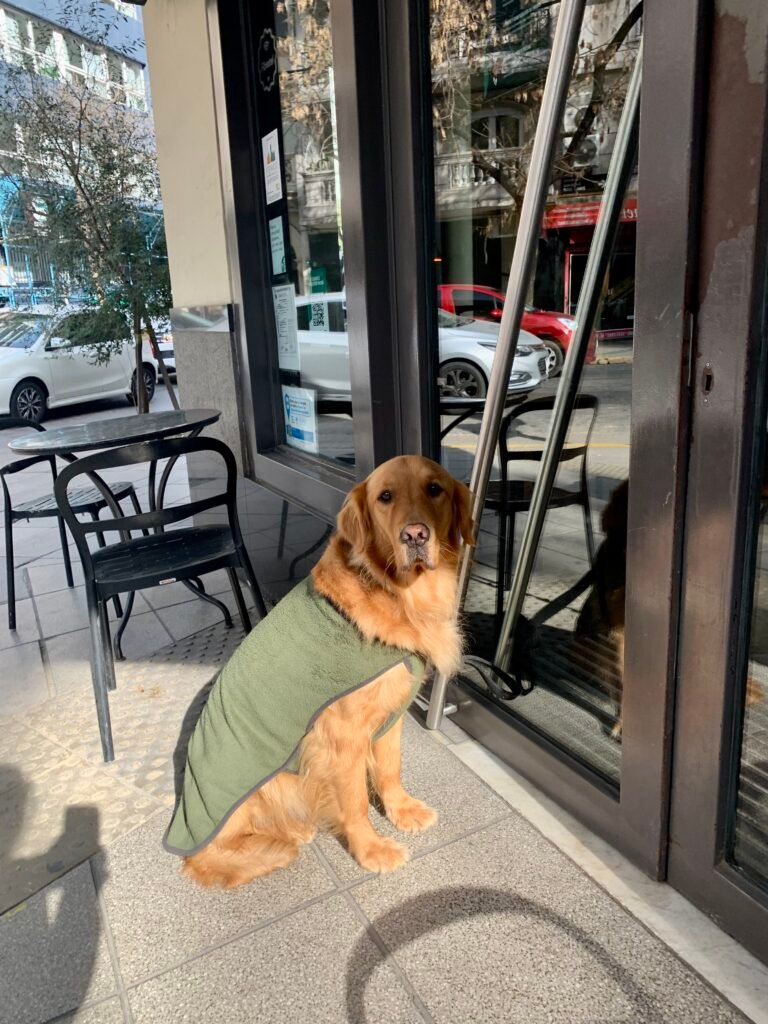
Palermo is one of the best neighborhoods to live in — but don’t assume it’s perfectly safe. I’ve heard gunshots in my own neighborhood. I’ve seen fights break out on the street. Day or night, you need to stay alert. Keep your phone discreet, carry minimal valuables, and drop the assumption that “it’s Palermo, so it must be safe.” It’s a great place to live. It’s not a bubble.
Final Verdict: Is the Buenos Aires Cost of Living Worth It in 2026?
Yes — especially if you earn in dollars, euros, or any strong currency. The Buenos Aires cost of living in 2026 is no longer the absurd bargain it was during the blue dollar era, but it remains excellent value by global standards.
For $1,500–$2,000/month, you get a decent studio in Palermo, daily dining out, and a full cultural life. Maintaining the same lifestyle in New York or Seoul would cost at least double.
Two things to remember:
Bring your electronics. Buying them here will cost far more than you expect.
Don’t underestimate the Palermo premium. Living in the nicest neighborhood has a real price.
Know those two things, and your expat budget in Buenos Aires becomes entirely predictable — and far more reasonable than most world cities.
All prices in this article reflect April 2026 rates at approximately 1,390 ARS/USD. Argentina’s inflation means prices shift frequently — use these figures as a reference point, not gospel.
FAQ: Buenos Aires Cost of Living 2026
How much does it cost to live in Buenos Aires per month in 2026?
A realistic Buenos Aires cost of living for a single expat in Palermo is $1,500–$2,000/month in 2026. Budget-conscious expats in outer neighborhoods like Almagro or Caballito can manage on $900–$1,200/month. The biggest variable is rent — Palermo studios run $700–$900, while outer neighborhoods drop to $350–$500.
Is Buenos Aires still cheap after Milei’s reforms?
Buenos Aires is no longer the absurd bargain it was during the 2018–2023 blue dollar era, but the Buenos Aires cost of living remains excellent value for anyone earning in dollars or euros. Rent and imported goods have risen significantly; beef, dairy, transport, and utilities remain cheap by global standards.
How much is rent in Palermo in 2026?
A studio (monoambiente) in Palermo or Recoleta costs $700–$1,000/month in 2026, typically including utilities and building fees. One-bedroom apartments (2 ambientes) run $1,000–$1,500. Prices are almost always dollar-denominated in premium neighborhoods.
What’s the cheapest neighborhood in Buenos Aires for expats?
For lowest Buenos Aires cost of living, Almagro and Caballito offer studios at $350–$500/month with good transport access. San Telmo is even cheaper ($300–$500) but has more safety concerns. Belgrano offers the best balance of value and quality at $500–$800/month.
Related reading: